


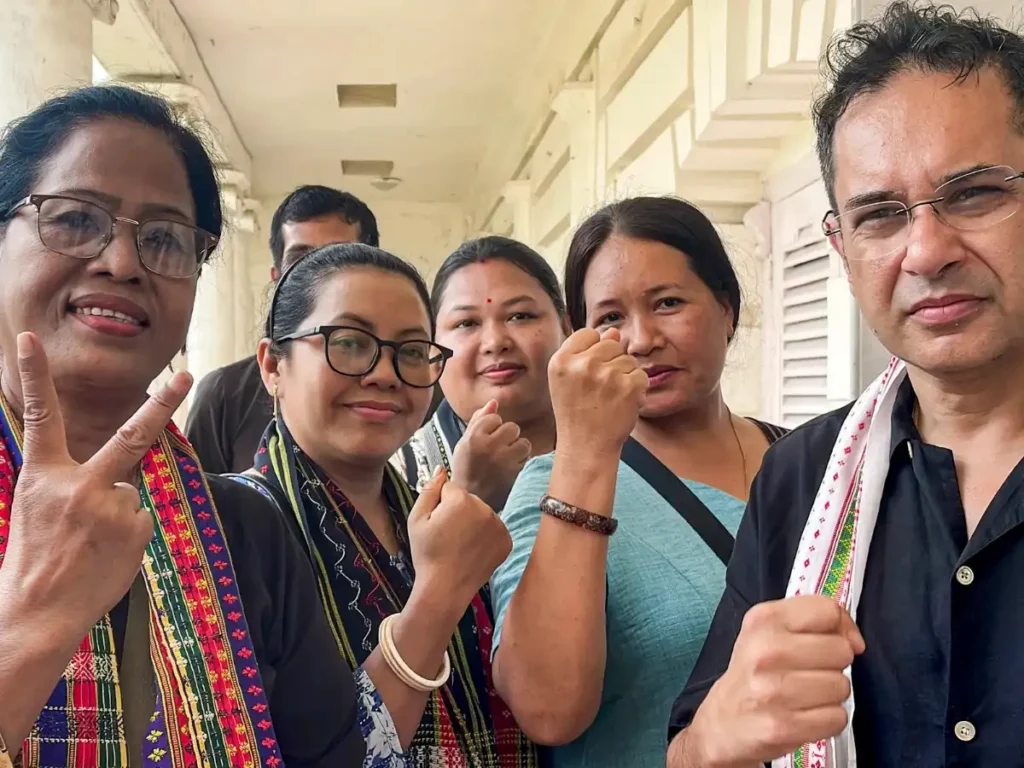
TIPRA Motha founder Pradyot Kishore Manikya Debbarma has placed land and language safeguards at the centre of his political messaging ahead of the September village committee polls in Tripura’s tribal areas. The focus reflects the party’s continued emphasis on protecting indigenous interests and strengthening safeguards for tribal communities.
The upcoming elections could provide an important test of TIPRA Motha’s grassroots support. Moreover, Debbarma’s focus on land and language places cultural identity and community rights alongside development issues such as employment, education, roads, and welfare delivery.
The campaign is likely to increase political attention on questions surrounding land protection, indigenous identity, and the preservation of tribal languages. However, the extent to which these issues influence voting will depend on local candidates, community priorities, alliances, and the final election campaign.
Tripura Election Commission Gears Up for Intense Voter Roll Upgrades
Pradyot Debbarma Highlights Land Safeguards
Pradyot Debbarma has continued to emphasise land protection as a major concern for indigenous communities.
Land remains a politically sensitive issue in Tripura’s tribal areas because it connects directly with community identity, livelihoods, and long-term security. Furthermore, stronger safeguards can become a central demand during discussions about development and investment.
TIPRA Motha is expected to use the election campaign to highlight these concerns.
However, land policy involves constitutional provisions, state laws, autonomous council powers, and administrative implementation.
Language Protection Enters Election Debate
Language protection has also emerged as an important element of Debbarma’s political messaging.
Tribal languages form an important part of the cultural identity of indigenous communities. Moreover, their use in education, administration, and public life can influence how communities preserve their cultural heritage.
The September polls could therefore bring language policy into local political discussions.
However, practical language policies require coordination between educational institutions, government departments, and community organisations.
September Polls Test TIPRA Motha’s Strategy
The September village committee polls will provide TIPRA Motha with an opportunity to test its grassroots organisation.
The party has built its political platform around indigenous rights, constitutional safeguards, and greater political representation. Additionally, its performance in village-level contests could demonstrate whether these issues continue to resonate with voters.
Strong local organisation could help the party convert broader political support into electoral gains.
However, village elections often depend heavily on local candidates and community-level concerns.
Land Issues Could Shape Tribal Campaign
Land protection could become one of the most prominent themes during the election campaign.
Candidates may discuss land ownership, protection of tribal land, settlement patterns, and the implementation of existing safeguards. Furthermore, voters may connect land policy with agricultural livelihoods and future economic opportunities.
These concerns could give land policy a direct electoral dimension.
However, individual villages may face different land-related challenges.
Language and Education Remain Connected
The debate over language protection also intersects with education.
Greater recognition of tribal languages can involve curriculum development, teaching materials, teacher training, and access to education in local languages. Moreover, language preservation can strengthen cultural continuity among younger generations.
Political parties may therefore use the election campaign to propose measures supporting indigenous-language education.
However, implementing such measures requires resources and long-term administrative planning.
TIPRA Motha Seeks Indigenous Safeguards
TIPRA Motha’s emphasis on land and language fits within its broader political focus on indigenous safeguards.
The party has consistently highlighted issues involving tribal identity, constitutional protection, political representation, and control over local resources. Consequently, Debbarma’s latest campaign messaging connects directly with the party’s established political agenda.
The September elections provide an opportunity to reinforce these priorities at the grassroots level.
However, voters will also evaluate parties on development performance and local governance.
Development Remains Part of Election Debate
Although land and language are central themes, development issues will also influence the September polls.
Communities may prioritise roads, healthcare, schools, drinking water, employment, electricity, and welfare access. Additionally, better infrastructure can affect agricultural markets and economic opportunities in remote areas.
Candidates will therefore need to balance identity-related concerns with practical development priorities.
However, the importance of each issue will differ across constituencies and villages.
Political Competition Intensifies
The focus on land and language could sharpen political competition in Tripura’s tribal areas.
Other political parties may respond with their own positions on indigenous rights, development, and local governance. Furthermore, competing campaign narratives could make the September elections an important test of how political organisations address tribal concerns.
The campaign may consequently become more issue-driven.
However, political parties will need to avoid presenting complex community issues in ways that create unnecessary social divisions.
Village Committees Provide Grassroots Platform
Village committees can provide a direct institutional link between communities and local administration.
Local representatives can influence development priorities and communicate community concerns to higher levels of government. Moreover, elections at this level allow voters to assess candidates on issues that directly affect their daily lives.
This makes the September contests important for grassroots political organisation.
However, village-level institutions have different responsibilities from the autonomous district council and state government.
Land and Language Could Influence Young Voters
Young voters may pay particular attention to questions involving cultural identity and future opportunities.
Language preservation can affect education and cultural participation, while land security can influence livelihoods and long-term settlement patterns. Additionally, employment and skills development could remain major concerns for younger residents.
Political parties will therefore need to connect cultural safeguards with economic opportunities.
However, the eventual influence of these issues will become clearer only after polling.
September Elections Could Shape Tribal Politics
The September village committee polls could influence the broader direction of Tripura tribal politics.
A strong performance by TIPRA Motha could reinforce its position as a major voice on indigenous issues. Conversely, stronger performances by rival parties could encourage changes in political strategy and alliance calculations.
The elections may therefore have consequences beyond individual village committees.
However, local results do not necessarily predict future Assembly or national election outcomes.
Conclusion
Pradyot Debbarma’s focus on land and language safeguards has placed indigenous rights and cultural protection at the centre of TIPRA Motha’s campaign ahead of the September village committee polls. The strategy connects the party’s broader political agenda with issues that directly affect tribal identity, community resources, and cultural preservation.
Moreover, the elections will also test whether these concerns translate into grassroots electoral support. Development, employment, education, healthcare, and welfare delivery will remain important alongside land and language.
Overall, Debbarma’s campaign emphasis signals TIPRA Motha’s intention to make indigenous safeguards a central electoral issue. The September results will provide a clearer indication of how strongly voters respond to that political message.
FAQs
1. What issues is Pradyot Debbarma highlighting?
Debbarma is focusing on land protection, language preservation, indigenous rights, and broader safeguards for tribal communities.
2. Why is land protection important in Tripura’s tribal areas?
Land connects closely with indigenous livelihoods, community identity, and long-term economic security.
3. Why is language protection part of the campaign?
Tribal languages form an important part of cultural identity, while language use in education and public life can support cultural preservation.
4. Will land and language determine the September election results?
Not necessarily. Local development, candidate popularity, alliances, employment, welfare delivery, and other community concerns could also influence voters.
5. What could the September polls mean for TIPRA Motha?
The elections could provide an important test of TIPRA Motha’s grassroots support and its ability to translate indigenous-rights issues into local electoral gains.