


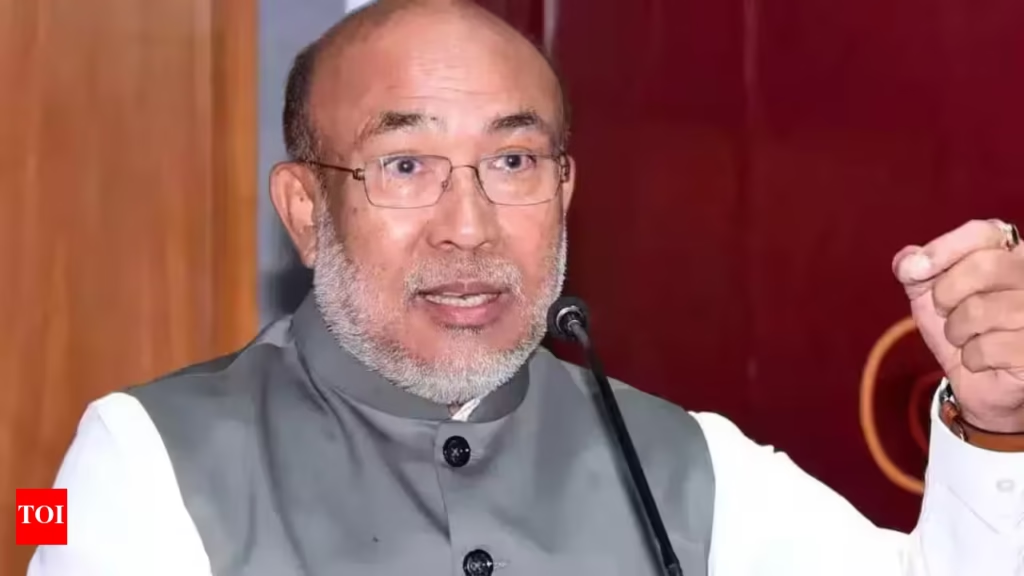
The Relief Camp Boycott has intensified in Manipur after the WC-JTCM committee reportedly rejected a proposed visit by Chief Minister N. Biren Singh to the relief camp. The development has highlighted growing community concerns over political outreach and demands for justice before senior government leaders engage directly with affected residents.
The reported decision comes amid heightened sensitivities following the deaths of six Liangmai men. Moreover, the committee’s position indicates that community representatives want authorities to address outstanding concerns before political visits take place.
The development could complicate the government’s efforts to conduct relief-related outreach. However, the available information does not specify the exact date of the proposed visit, the committee’s complete demands, or the government’s formal response.
When an Algorithm Starts Shaping How We See Ourselves: Niveditha on My Algorithm Thinks I’m Fat
Relief Camp Boycott Centres on Chief Minister’s Visit
The Relief Camp Boycott centres on the reported rejection of the Manipur Chief Minister’s proposed visit to the camp.
A Chief Ministerial visit can provide an opportunity to meet displaced residents, review relief arrangements, and hear local concerns. Furthermore, such visits can demonstrate government engagement during difficult circumstances.
However, the WC-JTCM committee has reportedly opposed the proposed visit, creating a significant hurdle for political outreach.
The available information does not confirm whether authorities have formally cancelled or postponed the visit.
Relief Camp Boycott Follows Liangmai Men Killings
The Relief Camp Boycott comes amid concerns surrounding the reported deaths of six Liangmai men.
The incident has increased attention on accountability and security in the affected area. Additionally, community organisations may seek clarity regarding investigations before supporting visits by senior political leaders.
The reported rejection therefore reflects wider concerns beyond the visit itself.
However, the available information does not establish the circumstances surrounding the six deaths or identify those responsible.
Relief Camp Boycott Raises Justice Demands
The Relief Camp Boycott has placed justice and accountability at the centre of the latest community response.
The WC-JTCM committee reportedly wants authorities to address concerns connected with the deaths before political engagement proceeds. Moreover, demands for justice can influence how communities respond to government outreach after serious incidents.
A transparent investigation could therefore become important for rebuilding confidence.
However, the available information does not provide the committee’s complete list of demands or any specific deadline.
Relief Camp Boycott Challenges Political Outreach
The Relief Camp Boycott presents a challenge for the state government’s efforts to engage directly with residents.
Political visits often involve meetings with community representatives and assessments of government relief measures. Furthermore, opposition to such visits can limit opportunities for face-to-face communication.
Authorities may therefore need to explore alternative forms of engagement.
However, the available information does not confirm whether officials have proposed an alternative meeting format.
Relief Camp Boycott Highlights Community Representation
The Relief Camp Boycott also highlights the role of community representatives in sensitive areas.
The WC-JTCM committee has reportedly taken a position on behalf of the affected community regarding the proposed Chief Ministerial visit. Additionally, local organisations can influence whether political outreach receives community acceptance.
Consultation with recognised representatives can therefore become important before future visits.
However, the available information does not specify the committee’s membership or its exact organisational structure.
Relief Camp Boycott Keeps Relief Needs in Focus
The Relief Camp Boycott does not remove the need for continued humanitarian support at the camp.
Displaced residents may require food, shelter, healthcare, sanitation, and other essential services. Moreover, relief operations need to continue regardless of disagreements over political visits.
Maintaining these services can help protect affected communities during periods of uncertainty.
However, the available information does not provide details about the camp’s current population or relief requirements.
Relief Camp Boycott Tests Government Response
The Relief Camp Boycott could test the government’s ability to balance political outreach with community concerns.
Authorities may need to understand the reasons behind the committee’s rejection while maintaining essential administrative and humanitarian engagement. Furthermore, direct dialogue could help clarify misunderstandings and identify possible areas of agreement.
A measured response could help prevent further tensions.
However, the available information does not include a detailed response from the Manipur government.
Relief Camp Boycott Could Delay Political Engagement
The Relief Camp Boycott may result in changes to the Chief Minister’s planned schedule.
Authorities can postpone visits when community acceptance or security conditions remain uncertain. Additionally, officials can use smaller meetings or other communication channels to maintain contact with affected residents.
Such alternatives could preserve engagement while allowing further consultations.
However, no confirmed postponement has been reported in the information provided.
Relief Camp Boycott Highlights Security Sensitivities
The Relief Camp Boycott has emerged in an environment where security remains an important consideration.
Political visits to sensitive locations require careful coordination between government officials, security personnel, local representatives, and relief authorities. Moreover, community opposition can create additional logistical and security challenges.
Authorities must therefore assess conditions before proceeding with major public engagements.
However, the available information does not provide details about the security arrangements planned for the visit.
Relief Camp Boycott Requires Dialogue
The Relief Camp Boycott underscores the importance of dialogue between the government and community representatives.
Officials can use consultations to understand concerns surrounding justice, security, relief, and political engagement. Furthermore, transparent communication can help establish whether the conditions for a future visit are acceptable to affected communities.
Continued dialogue may therefore offer a path toward resolving the disagreement.
However, the available information does not confirm whether formal discussions between the committee and government officials have taken place.
Conclusion
The Relief Camp Boycott has emerged after the WC-JTCM committee reportedly rejected a proposed visit by Manipur Chief Minister N. Biren Singh to the relief camp. The decision reflects heightened community concerns and demands for justice following the reported deaths of six Liangmai men.
Moreover, continued relief support, transparent communication, community consultation, and a credible investigation can help authorities address the concerns surrounding the dispute. However, the available information does not specify the exact demands of the committee, the scheduled date of the proposed visit, or the government’s formal response.
Overall, the Relief Camp Boycott highlights the difficulties of conducting political outreach in a sensitive humanitarian environment. Authorities will need to balance relief responsibilities, security considerations, community representation, and demands for accountability as they determine the next steps.
FAQs
1. What is the Relief Camp Boycott?
The Relief Camp Boycott refers to the reported decision by the WC-JTCM committee to reject a proposed visit by the Manipur Chief Minister.
2. Who rejected the Chief Minister’s visit?
The reported rejection came from the WC-JTCM committee.
3. Why was the visit reportedly rejected?
The committee reportedly wants justice and accountability to receive attention before the political visit proceeds.
4. Is the Chief Minister’s visit cancelled?
The available information does not confirm whether the visit has been formally cancelled or postponed.
5. What could resolve the disagreement?
Dialogue, transparent communication, continued relief support, and addressing community concerns through appropriate legal processes could help resolve the issue.