


Tensions Rise as CM Makes Explosive Allegations
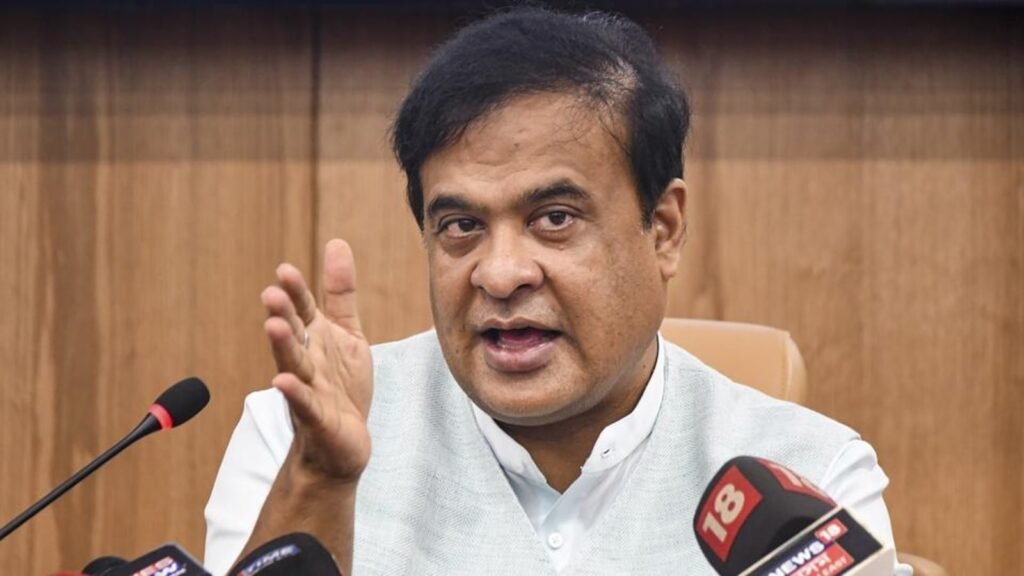
Security tensions in Assam escalated on August 25 after Chief Minister Himanta Biswa Sarma accused multiple individuals and groups of attempting to destabilize the state. During a press briefing, Sarma claimed that human rights activist Harsh Mander, the Congress party, Jamaat-e-Islami-Hind, and operatives from Pakistan and Bangladesh were working together to create unrest in the region.
These allegations have sparked intense political debate and raised serious concerns about law and order in the state.
What Triggered the Security Tensions in Assam?
CM Sarma alleged that external forces and internal actors were exploiting social issues to divide communities. He accused Harsh Mander and others of using humanitarian platforms to spread misinformation.
“We have credible evidence pointing to coordinated attempts to create instability,” Sarma said. “Foreign links and politically motivated groups are interfering in Assam’s internal affairs.”
These statements have heightened the already fragile situation in Assam, especially after recent ethnic clashes and protests.
Who Are the Accused?
Harsh Mander Under Fire
Sarma named activist Harsh Mander as a key player in these alleged efforts. Mander, known for his work on minority rights, has often criticized government policies. His organization has not responded yet, but critics argue that targeting activists risks suppressing free speech.
Congress Party’s Alleged Role
The Chief Minister claimed some Congress members were collaborating with religious groups like Jamaat-e-Islami-Hind. According to him, their aim is to manipulate public opinion ahead of elections.
Congress leaders quickly dismissed the accusations. They said the BJP is trying to distract the public from more pressing issues, including unemployment and inflation.
Foreign Influence in the Northeast
Sarma’s claims also included links to Pakistan and Bangladesh. He alleged that agents from these countries are spreading anti-India propaganda online and trying to influence public opinion in Assam.
The state shares a long, porous border with Bangladesh, making it vulnerable to illegal crossings. Authorities now plan to increase border surveillance and crack down on suspicious online activity.
Opposition Reacts Strongly
Congress spokesperson Debabrata Saikia responded quickly. He said Sarma’s remarks are a “political stunt” aimed at hiding the government’s failure to maintain peace in Manipur and Assam.
Civil rights groups also criticized the CM. They argued that dissent is being framed as conspiracy, and the move may weaken democracy in the region.
“Voices of opposition are being branded anti-national,” said a local activist in Guwahati.
Security Tensions in Assam Affecting Daily Life
This isn’t just a political fight—it’s affecting daily life. Police presence has increased in several districts, including Barpeta and Dhubri. Some schools and businesses reported disruptions following public rallies.
With elections due next year, many fear that political tension could spill into the streets. People are also worried about rising ethnic divides and possible internet restrictions.
How Can Citizens Respond to the Growing Tensions?
The rising security tensions in Assam demand calm, awareness, and responsible citizenship. Here’s what you can do:
- Avoid unverified news: Cross-check news before sharing it online.
- Stay updated via official channels: Follow Assam Police for credible alerts.
- Report suspicious activity: Use community reporting apps or call local authorities.
- Engage peacefully: Participate in dialogue without promoting hate or division.
Stability in Assam Is at Stake
As the Northeast becomes a growing focus in national politics, Assam finds itself at the center of controversy. The Chief Minister’s recent remarks add another layer of complexity to an already tense region.
Whether these accusations prove valid or not, they highlight the fragile balance between security, democracy, and free speech. Assam needs transparent investigations, not just political blame games.
READ MORE: Rengma Forest Plantation Suspended Pending Consultations