


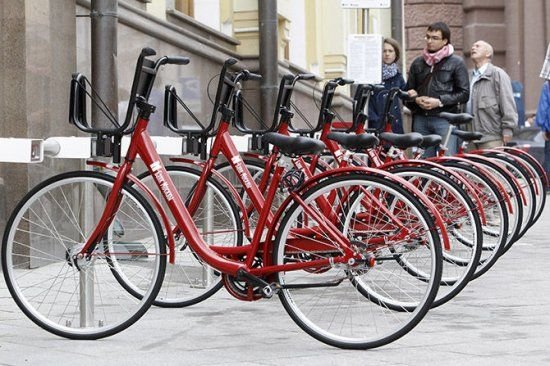
In a landmark push for sustainable transportation, Meghalaya Chief Minister Conrad K. Sangma and fitness icon Milind Soman jointly launched Shillong’s first Public Bicycle Sharing (PBS) system on Tuesday. The event, which took place at Khyndailad (Police Bazaar), marks a significant step in the city’s efforts to reduce traffic congestion, cut emissions, and encourage healthy living.
To further promote eco-friendly travel, the government has also designated the stretch from Khyndailad to Umsohsun as a pedestrian-only zone daily from 4 PM to 9 PM, starting today.
Why Shillong Needs a Public Bicycle Sharing System
Shillong, often called the Scotland of the East, is known for its scenic beauty but has long struggled with traffic bottlenecks and rising vehicle pollution. The city’s compact layout makes it ideal for cycling, but lack of infrastructure has held it back—until now.
The newly launched Shillong public bicycle sharing system aims to:
- Provide affordable last-mile connectivity
- Reduce carbon emissions from short urban commutes
- Promote a healthier and more active lifestyle
- Reclaim public spaces for pedestrians and cyclists
“We’re making history today,” said CM Conrad Sangma during the launch. “This initiative combines sustainability, fitness, and smart city innovation.”
How the Bicycle Sharing System Works
The PBS system features dock-based smart bicycles available at multiple pick-up and drop-off stations across key city points. Riders can rent bicycles using a mobile app, which includes features such as:
- QR code bike unlocking
- Real-time station availability
- Payment integration with local wallets and UPI
- Health stats like distance covered and calories burned
Pricing starts at just ₹10 for the first 30 minutes, making it accessible for daily commuters and tourists alike.
Shillong Pedestrian Zone from Khyndailad to Umsohsun
To support the bicycle network, the government has converted a major road segment—Khyndailad to Umsohsun—into a daily pedestrian-only corridor between 4 PM and 9 PM. No vehicles will be allowed during this time.
This move follows global trends in urban design, where walkable city zones have improved public health and boosted local business activity.
“Pedestrian-friendly cities are people-friendly cities,” said Milind Soman, who rode through the zone after the launch. “I hope other Indian cities take inspiration from Shillong.”
Health, Tourism, and Economic Benefits of Green Mobility
The impact of this initiative goes beyond just transportation. It is expected to:
- Improve public health by encouraging daily physical activity
- Enhance tourism appeal, especially among eco-conscious travelers
- Support local businesses that rely on foot traffic in the Khyndailad market area
Moreover, by promoting non-motorized transport, Shillong is aligning with India’s national climate goals under the Paris Agreement.
Shillong’s Commitment to Smart and Sustainable Cities
This bicycle sharing and pedestrian zone project is part of Meghalaya’s Smart City Mission, funded jointly by the Ministry of Housing and Urban Affairs and the state government.
The Shillong Urban Mobility Task Force plans to expand the PBS network to more locations like:
- Laitumkhrah
- Nongrim Hills
- Mawlai
- Ward’s Lake and Golf Links
You can read more about India’s smart city goals on the official Smart Cities Mission portal.
Challenges Ahead and Community Involvement
While the launch is a major success, sustaining the system will require active participation from citizens and strong maintenance.
“We appeal to residents to treat the bicycles with care and use the system responsibly,” said an official from Shillong Smart City Ltd.
Community outreach programs and school campaigns will also be rolled out to educate young people about sustainable mobility.
A Pedal Toward a Greener Future
The launch of the Shillong public bicycle sharing system is not just a transportation upgrade—it’s a cultural shift. It signals a move toward cleaner air, healthier people, and smarter cities.
With leaders like CM Conrad Sangma and role models like Milind Soman championing the cause, Shillong is setting a national example in how small cities can lead big change.