


Symbolic gifts exchanged during high-level diplomatic engagements often carry meanings that go beyond protocol. They represent shared values, cultural respect, historical connections, and the intention to strengthen bilateral ties. During recent diplomatic interactions involving India and Nordic nations, special gifts presented to the prime ministers of Iceland and Sweden drew attention for their cultural symbolism and carefully chosen messages.
These exchanges reflected India’s continued use of cultural diplomacy through traditional craftsmanship, literature, and historical references while also recognising the unique relationships it shares with Nordic countries.
Read More: British Tried to Dilute Assamese Identity Before Independence: BJP MLA Pradyut Bordoloi
Gift to Iceland PM Reflects Spirit of Exploration and Human Achievement
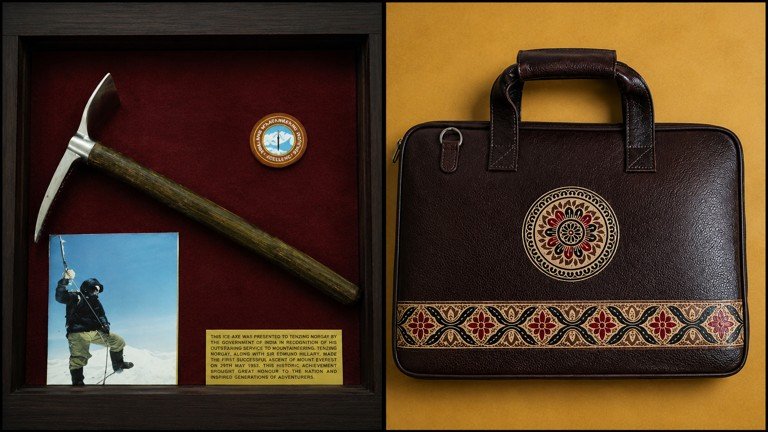
During the India–Nordic engagement, Prime Minister Narendra Modi presented Iceland’s Prime Minister Kristrún Frostadóttir with a replica of the historic ice axe used by mountaineer Tenzing Norgay during the first successful ascent of Mount Everest.
The choice of gift carried strong symbolic value.
The historic climbing tool represents determination, endurance, and the pursuit of extraordinary goals. It also reflects the spirit of overcoming challenges through courage and preparation.
Officials and observers viewed the selection as more than a ceremonial exchange. The gift connected India’s mountaineering history with Iceland’s association with dramatic landscapes, exploration traditions, and appreciation for nature.
By selecting an object linked to one of the most recognised achievements in human exploration, India projected a message of resilience, ambition, and international partnership.
The gift also highlighted India’s practice of presenting objects that carry historical and emotional significance rather than purely decorative value.
Cultural Diplomacy Through Meaningful Objects
India has increasingly used symbolic gifts during official visits to showcase regional traditions, historical achievements, and artistic heritage.
Diplomatic gifting has historically served as a method of expressing respect and strengthening relationships between nations.
Unlike formal agreements and policy discussions, gifts often communicate ideas through culture and symbolism.
Officials noted that carefully selected items allow countries to highlight their identity while creating memorable moments during diplomatic engagements.
In recent years, India has frequently chosen handcrafted products, regional art forms, literature, and heritage objects to represent its cultural diversity.
The gift presented to Iceland therefore aligned with a broader approach of combining historical significance with diplomatic messaging.
Sweden Exchange Celebrates Rabindranath Tagore’s Legacy
A different but equally symbolic exchange took place during interactions with Sweden.
Prime Minister Narendra Modi and Sweden’s Prime Minister Ulf Kristersson exchanged commemorative gifts centred around the legacy of Rabindranath Tagore.
According to official details, Prime Minister Kristersson presented a specially prepared box containing replicas of handwritten epigrams by Tagore.
The collection also included explanatory notes and a historical photograph taken during Tagore’s visit to Sweden in 1921.
The original writings had recently been identified in Swedish archival collections and linked to Tagore’s visits to Sweden in 1921 and 1926.
The exchange recognised a literary and intellectual relationship that extends beyond modern diplomatic ties.
India’s Return Gift Highlighted Literature and Craftsmanship
In return, Prime Minister Modi presented Sweden’s prime minister with a collection of Rabindranath Tagore’s works along with a handcrafted bag from Shantiniketan.
The handcrafted bag carried motifs associated with Tagore’s philosophy and artistic vision.
According to official information, the design reflected Tagore’s belief that art should become part of everyday life and support local artisan communities.
The gift therefore represented multiple ideas simultaneously.
It recognised literature, celebrated craftsmanship, supported artisan traditions, and honoured cultural continuity.
The exchange also coincided with the historical significance of Tagore’s association with Sweden and the centenary remembrance linked to his visits.
Observers noted that such gifts can create lasting impressions because they combine historical memory with contemporary diplomacy.
Tagore as a Bridge Between India and Sweden
The decision to centre the Sweden exchange around Rabindranath Tagore carried particular significance.
Tagore occupies a unique place in India’s cultural history and also holds historical relevance in Sweden due to his Nobel Prize and later visits.
Although Tagore did not travel to Sweden in 1913 to receive the Nobel Prize, he later visited the country and met King Gustav V during his 1921 visit.
By choosing Tagore-themed gifts, both countries highlighted a relationship built not only on trade and politics but also on intellectual exchange.
Officials described the exchange as recognition of shared cultural and literary connections.
The moment also reinforced how historical figures continue to shape modern diplomatic narratives.
Gifts as Expressions of National Identity
Diplomatic gifts often reveal how countries want to present themselves internationally.
The symbolic gift to Iceland reflected ideas of achievement, endurance, and historic accomplishment.
Meanwhile, the exchange with Sweden highlighted literature, culture, memory, and artistic expression.
Together, the gifts demonstrated two different but complementary diplomatic messages.
One focused on human ambition and exploration.
The other emphasised intellectual heritage and cultural dialogue.
Officials and observers increasingly view such exchanges as tools of soft power that strengthen relationships beyond formal agreements.
Strengthening Relationships Through Cultural Exchange
As international diplomacy expands beyond economics and security discussions, cultural gestures continue to gain importance.
Gift exchanges remain one of the most visible ways leaders communicate values and mutual respect.
The symbolic gifts presented to the prime ministers of Iceland and Sweden reflected this evolving approach.
Rather than selecting ceremonial objects without context, the exchanges drew from history, literature, craftsmanship, and human achievement.
These gestures also demonstrated how culture continues to serve as a bridge in international relations.
By connecting heritage with diplomacy, India used symbolic storytelling to reinforce partnerships and create moments that extend beyond official meetings.
The exchanges ultimately showed that diplomacy is not only conducted through negotiations and agreements but also through meaningful gestures that express identity, shared respect, and long-term friendship.