


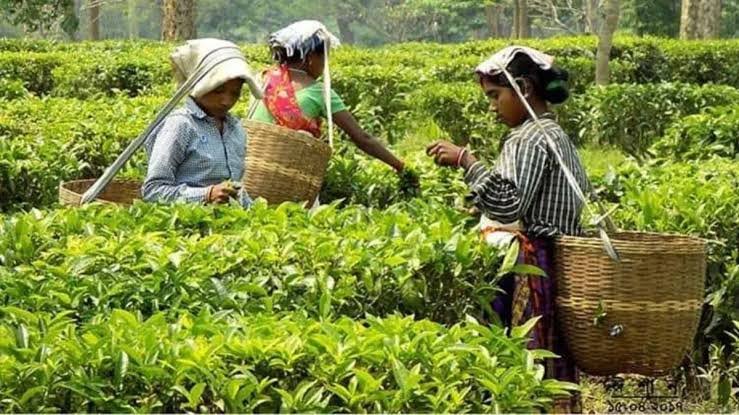
The Tea Garden Land Rights Dispute in Tripura has intensified after workers and residents raised concerns over land use, alleged threats and possible livelihood losses. A fresh dispute has emerged around Lilagarh Tea Garden in South Tripura’s Sabroom subdivision. Residents say long-settled families face uncertainty over their homes and access to land. Meanwhile, allegations surrounding commercial land use have added to wider concerns among tea garden communities.
West Tripura DM Reviews Welfare Scheme Implementation and Development Work
Tea Garden Land Rights Dispute Triggers Fresh Tension in Sabroom
A fresh dispute has reportedly emerged in the Chhotakhil area under Sabroom subdivision of South Tripura. According to local reports, an elderly worker associated with Lilagarh Tea Garden was allegedly attacked. Following the incident, residents reportedly approached Sabroom Police Station and raised concerns about their safety and future habitation.
Reports said nearly 80 families living in and around the tea garden area submitted their names while seeking attention to their security and residential concerns. Residents claimed that many families have lived in the area for several decades. However, they now fear uncertainty over their continued access to land.
Another report described tension in the Chhotakhil-Ranir Bazar area following allegations of an eviction attempt. Residents claimed that tea garden officials and workers entered the locality and allegedly damaged crops and cut rubber trees. These claims remain allegations and require verification by the relevant authorities.
Furthermore, the dispute involves more than a single incident. Residents have linked the current tension to longstanding disagreements concerning tea garden land and habitation. They say their homes and supplementary sources of income remain closely connected to the land surrounding the garden.
However, the available reports do not establish a final determination of ownership or occupation rights for the disputed areas. Therefore, allegations from residents and workers need to remain separate from any findings that may emerge from official land records or an investigation.
Workers Raise Concerns Over Land Use and Livelihood
The Tea Garden Land Rights Dispute has also revived concerns about the relationship between land use and workers’ livelihoods. Tea garden communities depend directly on plantation activity for employment. Additionally, some families rely on surrounding land and plantation resources for supplementary income.
According to workers and residents cited in reports, plantation trees near residential areas have allegedly been cut down. They also claimed that some land traditionally associated with worker settlements has entered arrangements described as leases or settlements. Residents say these developments have created uncertainty about their occupation and access to land.
The alleged removal of plantation trees has become particularly significant because tea gardens depend on maintaining productive plantation areas. If plantation land changes use, workers could face consequences through reduced cultivation or changes in employment opportunities. However, the actual scale of any livelihood impact would depend on verified land records, plantation activity and decisions by the competent authorities.
The issue also connects with a wider debate over the future use of tea garden land in Tripura. A recent report said the state’s policy direction has raised concerns among sections of tea workers and residents over possible alternative uses, including real estate, tourism and industrial activities.
Moreover, an earlier September dispute at Meghlibon Tea Garden in West Tripura involved workers alleging that tea plants were cut during an attempt to use part of the garden land for a proposed playground. Workers said around 300 to 350 tea plants and saplings were allegedly destroyed and sought administrative intervention.
These incidents illustrate why land-use changes can become closely connected with employment concerns in tea-growing areas. Nevertheless, each dispute involves its own facts and should be assessed separately.
Allegations of Threats Add to Workers’ Security Concerns
The Tea Garden Land Rights Dispute has also raised concerns about alleged threats against workers and residents. In the latest Sabroom dispute, residents reportedly approached the police after an alleged attack and sought protection. They said uncertainty over land and habitation had created fear among families living in the area.
A separate incident at Meghliband Tea Garden in West Tripura earlier in September involved similar allegations. Tea workers accused a group they described as linked to TIPRA Motha of threatening employees and attempting to occupy portions of the garden. UNI also reported allegations that workers were obstructed while attempting to pluck tea leaves. The claims were allegations made by workers and were not established as proven findings in the reports.
The Meghliband dispute shows how land disagreements can quickly affect ordinary plantation work. Workers said the alleged obstruction prevented them from accessing parts of the garden for their regular duties. Consequently, the dispute acquired both a land and labour dimension.
Workers subsequently sought administrative intervention in the Meghlibon case. They asked the West Tripura District Magistrate to investigate the alleged destruction of plantation areas and provide protection to workers.
At the same time, allegations involving political groups require careful verification. Claims about the involvement of particular organisations or individuals should not be treated as established facts unless supported by official findings, investigations or other reliable evidence.
For the affected communities, however, the immediate concern remains security and continuity of work. Tea workers depend on access to plantations for their employment, while residents depend on secure habitation and predictable access to surrounding resources.
Land Rights Debate Gains Wider Significance in Tripura
The Tea Garden Land Rights Dispute has gained wider significance because Tripura has a long history of debates surrounding tea estate land, worker settlements and land utilisation. Recent reporting has highlighted concerns about the implementation of land-right initiatives and the security of tea workers living within or near estates.
A September 2026 analysis by India Development Review examined the promise of land titles, or pattas, for tea workers in Tripura. The report discussed a 2022 land-rights initiative and argued that gaps in information and implementation have limited its impact.
The legal history of tea garden land also demonstrates that land questions can involve complicated ownership, retention and utilisation issues. In a 2025 Tripura High Court case concerning the Silkote Tea Company, the court record discussed disputes over unused tea estate land and the conditions attached to retaining land beyond statutory limits. The case illustrates the legal complexity surrounding tea estate land, although it concerns a different garden and should not be treated as a ruling on the current Sabroom dispute.
Meanwhile, workers in the current dispute have raised concerns about the possible loss of supplementary income. Residents reportedly alleged that rubber trees and other plantation trees near their homes had been cut. They also claimed that land-use arrangements had affected their traditional access to the area.
Authorities would therefore need to examine the relevant land records, settlement documents and other evidence before determining the rights of the affected parties. Similarly, allegations of attacks, threats or property damage require appropriate investigation.
The situation also highlights the importance of protecting workers while resolving land disputes through lawful procedures. Clear documentation can help establish which areas remain under plantation use, which families possess recognised rights and whether any land-use changes comply with applicable rules.
Conclusion
The Tea Garden Land Rights Dispute in Tripura has brought renewed attention to the relationship between land, employment and residential security in tea-growing communities. In Sabroom, residents have alleged threats, attacks and uncertainty over their homes and access to surrounding land. They have sought police attention and protection.
Similar concerns emerged earlier at Meghlibon Tea Garden, where workers alleged destruction of tea plants, obstruction of plantation work and threats connected with a disputed portion of garden land.
However, the allegations in these disputes require verification through official investigations and land records. The immediate issue remains the need to establish the applicable land rights, examine complaints and address the security concerns raised by affected workers and residents.
FAQs
What is the Tea Garden Land Rights Dispute in Tripura?
The Tea Garden Land Rights Dispute refers to recent conflicts and concerns involving tea garden land, worker settlements, land use and access rights in parts of Tripura.
Where has the latest tea garden dispute emerged?
The latest reported dispute has emerged around Chhotakhil and Ranir Bazar near Lilagarh Tea Garden in Sabroom subdivision of South Tripura.
How many families have reportedly raised concerns in Sabroom?
Reports said nearly 80 families living in the tea garden area raised concerns about their security and future habitation.
What livelihood concerns have workers raised?
Workers and residents have alleged that changes to plantation land, removal of trees and disputed land-use arrangements could affect employment, supplementary income and access to residential areas.
Have the allegations been officially established?
The reported allegations have not, on the available information, been established as final findings. Land records, official investigations and other evidence would be needed to determine the facts and applicable rights.