


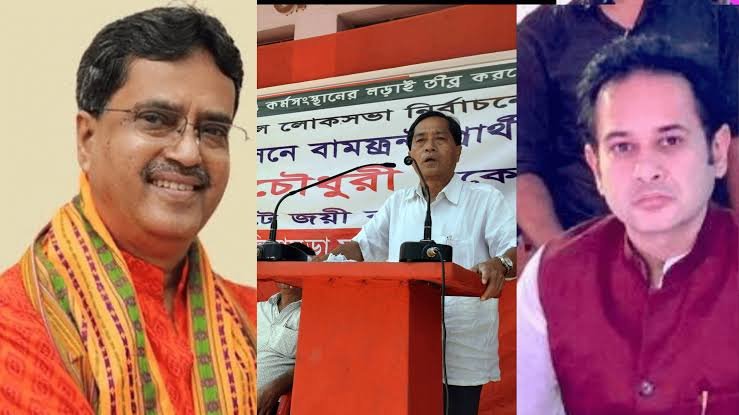
TIPRA Motha has adopted a firm position on potential electoral alliances, insisting that it will not enter into any arrangement without written guarantees on its key political demands. The strategy places formal commitments at the centre of the party’s approach as political preparations intensify ahead of upcoming local elections in Tripura.
The party’s position reflects its emphasis on securing concrete assurances rather than relying solely on verbal commitments from potential partners. Moreover, the approach could influence negotiations with larger political parties seeking cooperation in tribal areas.
The strategy may also affect candidate selection, seat-sharing discussions, and campaign planning. However, whether TIPRA Motha ultimately enters an alliance will depend on the terms offered and the credibility of any written commitments.
Tripura Election Commission Gears Up for Intense Voter Roll Upgrades
TIPRA Motha Sets Conditions for Alliance
TIPRA Motha has made written commitments a central condition for any potential electoral partnership.
The party wants political partners to formally document their promises before it considers an alliance. Furthermore, written guarantees can provide a clearer basis for evaluating whether a proposed partnership meets the party’s expectations.
This approach gives TIPRA Motha greater leverage during negotiations.
However, the party’s final decision will depend on the specific terms presented by potential allies.
Written Guarantees Become Key Election Strategy
The demand for written guarantees reflects a broader shift toward formal accountability in electoral negotiations.
Political parties frequently negotiate over policy commitments, development priorities, and representation before entering alliances. Additionally, written agreements can provide a reference point for both parties after an election.
TIPRA Motha’s strategy therefore seeks to convert political promises into documented commitments.
However, the effectiveness of such guarantees depends on their wording, implementation mechanisms, and political acceptance.
TIPRA Motha Focuses on Tribal Political Demands
TIPRA Motha’s alliance strategy remains closely connected to its political agenda concerning Tripura’s indigenous communities.
The party has historically emphasised constitutional safeguards, greater political representation, and protection of tribal interests. Moreover, these issues can influence negotiations with parties seeking support in Tripura’s tribal areas.
Written guarantees could allow TIPRA Motha to seek specific commitments on these priorities.
However, individual demands may require negotiations over constitutional, legal, and administrative authority.
Election Strategy Could Affect Seat-Sharing Talks
TIPRA Motha’s conditions could have a direct impact on potential seat-sharing negotiations.
An alliance requires parties to determine which constituencies each side will contest and how campaign resources will be coordinated. Furthermore, disagreements over seats can become difficult when both parties have established support in the same areas.
The written-guarantee requirement adds another layer to those negotiations.
However, a clear agreement on policy commitments could also make broader seat-sharing discussions easier.
Larger Parties Face Negotiation Challenge
The strategy could create difficulties for larger parties seeking an alliance with TIPRA Motha.
Potential partners may need to provide detailed commitments rather than relying on broad campaign statements. Additionally, they may have to specify timelines, responsibilities, and mechanisms for implementing agreed promises.
This could make negotiations more structured.
However, larger parties may also have their own political and organisational constraints when considering such commitments.
Tribal Areas Become Key Electoral Battleground
The alliance debate has particular significance because of the importance of Tripura’s tribal constituencies.
TIPRA Motha has built a substantial political presence in tribal areas, making its electoral strategy relevant to parties seeking broader support. Moreover, local elections can provide an important test of the party’s grassroots strength.
Potential alliances could therefore reshape competition in several tribal constituencies.
However, voters may ultimately evaluate candidates and local issues rather than alliance arrangements alone.
No Alliance Without Written Guarantees
The no alliance without written guarantees position gives TIPRA Motha a clear negotiating framework.
The party can use specific written commitments to determine whether a potential partner meets its conditions. Furthermore, this approach can help prevent ambiguity over what an alliance actually promises to deliver.
It also allows the party to maintain a distinct political identity while negotiating with other organisations.
However, strict conditions could also limit the number of viable alliance partners.
Strategy Could Strengthen TIPRA Motha’s Bargaining Position
The demand for written guarantees could strengthen TIPRA Motha’s position at the negotiating table.
Potential allies may need the party’s support to improve their prospects in competitive tribal constituencies. Consequently, TIPRA Motha can seek formal commitments in exchange for electoral cooperation.
The strategy could therefore increase the value of the party’s negotiating position.
However, bargaining strength ultimately depends on the party’s electoral support and the alternatives available to potential partners.
Local Elections Provide Strategic Test
Upcoming local elections could provide TIPRA Motha with an opportunity to test its strategy.
A strong performance without a major alliance could demonstrate the party’s independent organisational strength. Conversely, an alliance could help it expand influence if the agreement provides meaningful guarantees.
The election results could therefore influence future alliance calculations.
However, local election outcomes do not necessarily predict performance in Assembly or national elections.
Written Commitments Could Increase Accountability
Formal guarantees can make political commitments easier for voters and party members to evaluate.
If an agreement specifies measurable objectives, voters can later assess whether the parties fulfilled their promises. Moreover, written commitments can reduce disagreements over what coalition partners actually agreed to pursue.
This could make alliance politics more transparent.
However, documentation alone cannot guarantee implementation.
TIPRA Motha Faces Strategic Choice
TIPRA Motha ultimately faces a choice between contesting independently and entering a conditional alliance.
An independent campaign would allow the party to maintain complete control over its electoral messaging and candidate selection. Meanwhile, an alliance could provide access to wider organisational resources and potentially improve electoral coordination.
The written-guarantee requirement allows the party to keep both options open.
However, the final decision will depend on the political environment and the terms offered by potential partners.
Conclusion
TIPRA Motha’s no alliance without written guarantees strategy places formal political commitments at the centre of its election planning. The party’s approach seeks documented assurances on key demands before it agrees to cooperate with another political organisation.
Moreover, the strategy could significantly influence seat-sharing negotiations and competition in Tripura’s tribal areas. Written agreements may strengthen accountability and give TIPRA Motha greater bargaining power, although strict conditions could also limit its alliance options.
Overall, TIPRA Motha’s election strategy signals that the party intends to prioritise concrete commitments over verbal assurances. Whether that approach results in an alliance or an independent electoral campaign will depend on negotiations and the guarantees potential partners are willing to provide.
FAQs
1. What is TIPRA Motha’s alliance strategy?
TIPRA Motha has indicated that it wants written guarantees before entering into an electoral alliance.
2. Why does the party want written guarantees?
Written commitments can clearly establish what potential allies promise to deliver and provide a basis for accountability after an election.
3. Could the strategy affect seat-sharing?
Yes. Policy commitments and seat-sharing arrangements could become interconnected during alliance negotiations.
4. Does the strategy mean TIPRA Motha will contest alone?
Not necessarily. The party can still enter an alliance if another organisation agrees to its conditions.
5. What could determine the final alliance decision?
The content of proposed guarantees, seat-sharing terms, political compatibility, electoral calculations, and the party’s assessment of its independent prospects could influence the decision.