


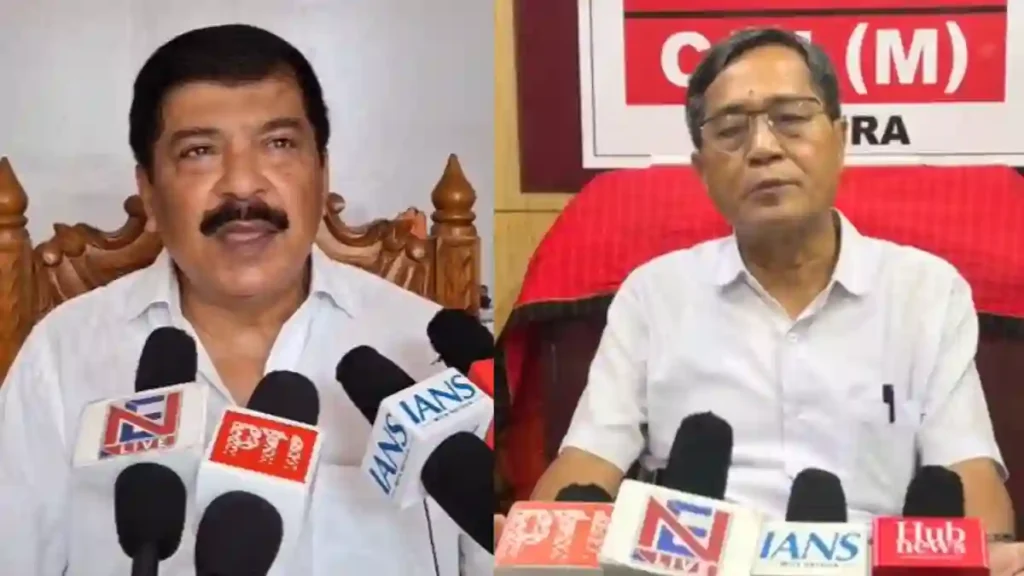
Tensions between TIPRA Motha and the BJP are growing over delays in implementing commitments linked to the Tripartite Agreement, adding another layer to the political contest in Tripura’s tribal areas. The disagreement has brought renewed attention to promises concerning indigenous communities and the pace of follow-up action.
The Tripartite Agreement remains politically important because TIPRA Motha has linked its broader agenda to constitutional, administrative, economic, and cultural safeguards for Tripura’s indigenous population. Moreover, delays or differences over implementation can create pressure between political partners and increase demands for clearer timelines.
The latest friction could also influence political calculations ahead of grassroots elections. However, political disagreements over implementation do not necessarily mean that the relationship between TIPRA Motha and the BJP has reached a complete breakdown.
Tripura Election Commission Gears Up for Intense Voter Roll Upgrades
TIPRA Motha Raises Concerns Over Delays
TIPRA Motha has continued to press for progress on commitments associated with the Tripartite Agreement.
The party has argued that political assurances must translate into concrete measures for indigenous communities. Furthermore, delays can create frustration when supporters expect visible progress after an agreement.
The issue has consequently become an important part of TIPRA Motha’s political messaging.
However, implementation of a broad political agreement can involve several administrative and institutional stages.
Tripartite Agreement Remains Politically Significant
The Tripartite Agreement brought together the Government of India, the Tripura government, and TIPRA Motha’s political leadership to address issues concerning the state’s indigenous population.
Its significance extends beyond individual political parties because it addresses questions involving constitutional safeguards, economic development, cultural identity, and administrative arrangements. Moreover, TIPRA Motha has continued to emphasise the need for meaningful implementation.
The agreement therefore remains a major reference point in Tripura’s tribal politics.
However, the precise implementation of individual commitments depends on the relevant legal and administrative processes.
BJP Faces Pressure From Tribal Leadership
The BJP faces pressure to demonstrate progress on commitments associated with the agreement.
TIPRA Motha’s demands place attention on whether promised measures have moved from political declarations toward practical implementation. Additionally, delays can become particularly sensitive when political parties compete for support among tribal voters.
The BJP may therefore face increased scrutiny from TIPRA Motha and other tribal organisations.
However, responsibility for individual measures can involve different government departments and levels of administration.
Constitutional Safeguards Remain Central
Constitutional protection remains one of the most important issues in the disagreement.
TIPRA Motha has consistently called for stronger safeguards for indigenous communities and greater protection of their political, cultural, and economic interests. Furthermore, the party has sought concrete assurances rather than broad political statements.
These demands form a central part of its relationship with the BJP.
However, constitutional changes require formal procedures and cannot always occur through immediate executive decisions.
Land and Cultural Issues Add Pressure
Land protection and cultural identity also remain important components of the debate.
Indigenous communities have raised concerns about land security, language, culture, and political representation. Moreover, TIPRA Motha has used these issues to argue that implementation must address the long-term interests of tribal communities.
These concerns can increase political pressure when progress appears slow.
However, individual land and cultural policies involve different legal and administrative mechanisms.
Grassroots Elections Raise the Stakes
The dispute comes at a politically sensitive time as Tripura prepares for grassroots elections in tribal areas.
TIPRA Motha can use the implementation debate to demonstrate its commitment to indigenous demands. Meanwhile, the BJP can highlight its government programmes and development initiatives while responding to criticism over the agreement.
The electoral environment could therefore intensify the political disagreement.
However, local candidates and community-level concerns will also influence voter decisions.
TIPRA Motha Maintains Political Leverage
TIPRA Motha’s political position gives it an incentive to keep implementation questions in the public debate.
The party can press for deadlines, written commitments, and visible progress while maintaining its separate political identity. Furthermore, strong grassroots support could increase its bargaining position in future discussions.
This approach allows TIPRA Motha to distinguish its political agenda from that of larger parties.
However, maintaining pressure can also create greater friction with potential political partners.
Delays Could Affect Alliance Calculations
The disagreement could influence future alliance calculations between TIPRA Motha and the BJP.
If TIPRA Motha believes that commitments remain unresolved, it may prefer to maintain greater political distance. Additionally, the party could use its electoral strength to demand clearer terms before considering future cooperation.
The BJP, meanwhile, may need to balance coalition considerations with its broader political strategy in Tripura.
However, future alliances will depend on electoral results and negotiations rather than the current disagreement alone.
Written Guarantees Could Gain Importance
The dispute could strengthen TIPRA Motha’s emphasis on written guarantees.
Formal commitments can provide clearer benchmarks for implementation and make it easier to assess progress. Moreover, written agreements can reduce disagreements over what political partners promised during negotiations.
TIPRA Motha could therefore seek more specific timelines and implementation mechanisms.
However, documentation does not by itself guarantee that every commitment will receive immediate implementation.
Political Competition Intensifies in Tribal Areas
The dispute has wider implications for Tripura’s tribal political landscape.
TIPRA Motha has positioned itself as a major voice on indigenous concerns, while the BJP continues to seek political influence across tribal constituencies. Furthermore, disagreements over the Tripartite Agreement can give both sides opportunities to present contrasting political narratives.
The upcoming grassroots elections could provide an important test of those competing messages.
However, voters may also prioritise employment, roads, healthcare, education, welfare, and other local concerns.
Implementation Becomes Election Issue
The question of implementation could become a central campaign issue if the disagreement continues.
TIPRA Motha may point to unresolved commitments when arguing for stronger political safeguards. Conversely, the BJP may focus on government initiatives and its broader development record.
The competing narratives could influence voter perceptions.
However, the electoral impact will depend on how voters assess progress in their own communities.
What Happens Next?
The next phase will depend on how both sides address the implementation concerns.
Further discussions could clarify timelines, responsibilities, and the status of individual commitments. Moreover, regular communication could prevent political disagreements from developing into a wider breakdown.
A clearer implementation roadmap could reduce uncertainty.
However, unresolved constitutional or administrative questions may require longer negotiations.
Conclusion
The growing friction between TIPRA Motha and the BJP over delays linked to the Tripartite Agreement has placed implementation at the centre of Tripura’s tribal political debate. TIPRA Motha continues to seek concrete progress on issues involving indigenous rights, constitutional safeguards, land, culture, and political representation.
Moreover, the dispute could influence political calculations ahead of the grassroots elections and shape future cooperation between the two sides. However, disagreements over implementation should not automatically be interpreted as a complete political rupture.
Overall, the controversy highlights the gap that can emerge between political agreements and their implementation. Clear timelines, sustained dialogue, and measurable progress could determine whether the current friction eases or becomes a larger issue in Tripura’s tribal politics.
FAQs
1. Why are TIPRA Motha and the BJP facing friction?
The disagreement centres on concerns over delays in implementing commitments associated with the Tripartite Agreement.
2. What does the Tripartite Agreement address?
The agreement concerns issues related to Tripura’s indigenous population, including constitutional safeguards, economic development, cultural identity, and administrative matters.
3. Why is implementation important for TIPRA Motha?
TIPRA Motha wants political commitments to translate into concrete measures that address the long-term interests of indigenous communities.
4. Could the dispute affect future alliances?
Yes. Continued disagreements could influence future negotiations, cooperation, and electoral strategies between TIPRA Motha and the BJP.
5. Could the issue affect grassroots elections?
The implementation debate could become a campaign issue, although local development concerns, candidates, alliances, and voter preferences will also influence the results.