


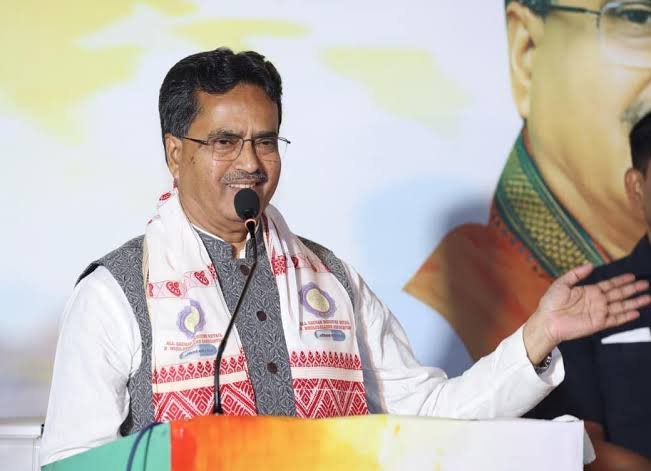
Tripura urban welfare policies came under review as Chief Minister Manik Saha met elected representatives and officials of the Agartala Municipal Corporation (AMC) on October 27, 2026. The meeting focused on improving civic services, reviewing development projects and strengthening transparency in municipal administration. Saha sought updates on project implementation and the use of digital systems to speed up official work. He also stressed coordination between public representatives and administrative officials to help ensure that urban development programmes deliver practical benefits to residents.
Manik Saha Opposition Criticism Centres on Public Grievances
Tripura Urban Welfare Policies Focus on Better Municipal Services
Chief Minister Manik Saha chaired the meeting at the AMC conference hall in Agartala, where he interacted with corporators from different wards and municipal officials. The discussion covered ongoing development works, administrative challenges and measures to improve the delivery of civic services.
AMC Additional Commissioner Mihir Kanti Gope opened the meeting with a presentation on the city’s development activities, supported by statistical information. Saha then sought further details from elected representatives and officials about the progress of projects and the challenges they face while serving residents.
The review highlighted the importance of municipal services in residents’ daily lives. Roads, drainage, waste collection, drinking water and the maintenance of public spaces all require regular attention from local authorities. Consequently, officials must coordinate across departments to address complaints and prevent delays in essential work.
Saha stressed that elected representatives and administrative officials should work closely to improve civic services. Such coordination can help ward representatives communicate local concerns while officials identify the resources and technical measures needed to address them.
The Chief Minister also expressed satisfaction with changes in municipal administration. Officials reported improvements in working practices over the previous five to six years, including greater transparency in project implementation and more streamlined procedures. These assessments came from officials at the meeting; the reports did not provide independent performance data to measure the scale of those changes.
The meeting also offered an opportunity to discuss how the corporation can improve responsiveness across its wards. Regular reviews can help authorities track project progress, identify administrative obstacles and clarify responsibilities. However, residents will ultimately judge the results through the reliability of services and the resolution of local problems.
Tripura Urban Welfare Policies Emphasise Digital Governance and Transparency
Digital administration formed another important part of the discussion. Saha asked officials how digital systems had changed routine work and whether digitisation had improved administrative speed and efficiency. The review reflected the government’s interest in using technology to streamline procedures and improve municipal functioning.
Digital systems can help municipal bodies maintain records, monitor applications and track the progress of development projects. When authorities use these tools effectively, they can reduce avoidable paperwork and make some services easier for residents to access. In addition, digital records can help officials identify delays and follow up on pending work.
However, technology alone cannot guarantee transparent administration. Municipal authorities must maintain accurate information, respond to complaints and ensure that residents who have limited access to digital services can still obtain assistance. Clear procedures and accessible support remain essential.
During the meeting, officials described municipal working practices as more streamlined than in previous years. Saha welcomed the reported changes and stressed the need to maintain coordination between the corporation’s elected representatives and its administrative staff.
For residents, transparency means more than the introduction of online systems. It also involves clear information about project costs, work schedules, service standards and the handling of public complaints. Regular updates can help people understand what the municipality is doing and when they can expect improvements.
Moreover, municipal bodies need effective monitoring systems to ensure that development projects meet their objectives. Officials can use progress reports and documented reviews to identify delays, assess implementation and decide where additional attention is required. Such measures can support more accountable administration when authorities also publish relevant information.
The October 27 meeting did not announce a separate budget or a new deadline for each municipal project. Instead, it centred on reviewing existing work, discussing administrative challenges and improving coordination. Further project-specific updates would help residents assess how the review translates into practical action.
Tripura Urban Welfare Policies Link Infrastructure with Local Development
The municipal review came after Saha outlined a broader plan to modernise urban local bodies across Tripura. Earlier in October, he said the government was preparing a master plan to strengthen infrastructure in municipal council and nagar panchayat areas, alongside ongoing initiatives in Agartala.
The Chief Minister has highlighted several areas of urban development, including safe drinking water, road construction and repairs, drainage improvements, housing and healthcare services. These areas directly affect residents and require sustained coordination between local bodies and relevant government departments.
Saha previously said drinking water projects worth ₹112 crore had been implemented in Agartala under the Atal Mission for Rejuvenation and Urban Transformation (AMRUT) 2.0. He also reported that 16,000 families had received safe drinking water through the initiative. These figures reflect the government’s reported progress and should be assessed against project records and service outcomes.
The Chief Minister also cited 65 projects under the Smart City Mission in Agartala, with a reported investment of ₹581 crore. The government has presented these initiatives as part of its efforts to improve urban infrastructure and civic facilities.
Nevertheless, urban development involves different needs across different towns. Agartala’s requirements may differ from those of smaller municipal councils and nagar panchayats. A modernisation plan must therefore consider local population needs, infrastructure gaps and the capacity of individual municipal bodies.
Regular consultation can help officials identify these differences. Ward representatives often receive complaints about specific neighbourhood problems, while technical staff can assess possible solutions and implementation requirements. Combining those perspectives can help local authorities establish priorities and plan development work.
At the same time, governments need to monitor projects after construction ends. Reliable water supply, functioning drainage and well-maintained roads depend on regular upkeep, not simply the completion of new infrastructure. Transparent reporting can help residents understand both the progress of development projects and the quality of ongoing services.
Tripura Urban Welfare Policies Gain Importance Ahead of Civic Elections
The review took place as Tripura prepares for elections to 21 urban local bodies, including the Agartala Municipal Corporation, municipal councils and nagar panchayats. The upcoming polls have increased attention on municipal administration, development commitments and the delivery of everyday civic services.
Saha met the AMC corporators as the corporation’s five-year term had concluded. According to a report published by Tripura Chronicle, he described the interaction as a courtesy meeting and praised the collective work of the elected representatives. He also said the selection of the BJP’s mayoral candidate would follow the party’s internal decision-making process.
Mayor Dipak Majumder highlighted the corporation’s work in Agartala and credited coordination among elected representatives and officials for progress in civic management. He also referred to the orderly conduct of Durga Puja celebrations, thanking the people and officials who contributed to the arrangements.
As election preparations continue, urban welfare policies are likely to remain part of public discussion. Residents may focus on the condition of roads, drainage systems, drinking water access, cleanliness and the municipality’s response to complaints. These issues provide practical ways to assess how local administration serves communities.
Furthermore, municipal elections give parties an opportunity to explain their plans for urban development. Their proposals can address infrastructure gaps, service delivery, transparency and the use of public funds. Clear commitments and measurable targets can help residents compare those proposals without relying solely on political statements.
The Chief Minister’s review emphasised coordination and administrative efficiency. However, the long-term value of such meetings depends on whether officials follow up on the issues raised, complete projects within reasonable timelines and maintain the services already in place.
As Tripura approaches the civic polls, residents will have reason to examine both new development announcements and the performance of existing services. Regular updates, transparent project information and effective complaint handling can help ensure that municipal governance remains focused on public needs.
Conclusion
Tripura urban welfare policies formed the focus of Chief Minister Manik Saha’s October 27 meeting with Agartala Municipal Corporation corporators and officials. The discussion covered development projects, municipal services, digital administration and transparency. Saha stressed coordination between elected representatives and officials to improve service delivery and support timely project implementation.
The meeting followed the government’s broader plan to modernise urban local bodies across Tripura. Officials have highlighted improvements in administrative procedures, while the state government has cited investments in drinking water, roads, drainage and Smart City projects. Continued monitoring and transparent reporting will help residents assess the progress and practical impact of these initiatives.
With elections approaching across 21 urban local bodies, municipal services and development commitments will remain important public issues. The effectiveness of the government’s approach will depend on implementation, maintenance and responsiveness to residents’ concerns. Clear project updates and accountable administration can help ensure that urban welfare programmes translate into lasting benefits.
FAQs
1. Why did Manik Saha meet Agartala Municipal Corporation representatives?
Chief Minister Manik Saha met AMC corporators and officials on October 27, 2026, to review development work, municipal services, administrative efficiency and transparency ahead of the upcoming civic elections.
2. What issues did the meeting cover?
The meeting covered ongoing development projects, civic service delivery, digital systems, administrative challenges and coordination between elected representatives and municipal officials.
3. What urban development projects has the Tripura government highlighted?
The government has highlighted drinking water supply, road construction and repairs, drainage improvements, housing and Smart City Mission projects in Agartala.
4. How can digital governance improve municipal services?
Digital systems can help officials maintain records, track project progress and streamline administrative procedures. Their effectiveness also depends on accurate information, accessible services and timely responses to public complaints.
5. Why are urban welfare policies important ahead of civic elections?
Urban welfare policies affect everyday services such as roads, sanitation, drainage and drinking water. Residents can assess municipal performance by examining service quality, project progress and how effectively authorities address local concerns.