


The Tripura government has announced the development of six eco parks across the state. The initiative aims to attract more tourists while simultaneously uplifting the local economy by creating nature-based employment.
The parks will be developed under the Forest Department’s eco-tourism policy and are set to become new hotspots for nature lovers. Officials confirmed that the locations will span rural and forest-rich areas, ensuring ecological balance while opening new income avenues for local residents.
Read More: Dimapur Station Upgrade: Nagaland BJP Pushes for Quick Action
Sites Finalised for New Tripura Eco Parks
According to officials, the eco parks will be established in Kamalpur, Udaipur, Simna, Rowa, Baramura, and Ambassa. Each location was selected based on ecological value, accessibility, and tourism potential. These areas boast natural beauty, dense forest cover, and unique biodiversity — perfect for sustainable tourism ventures.
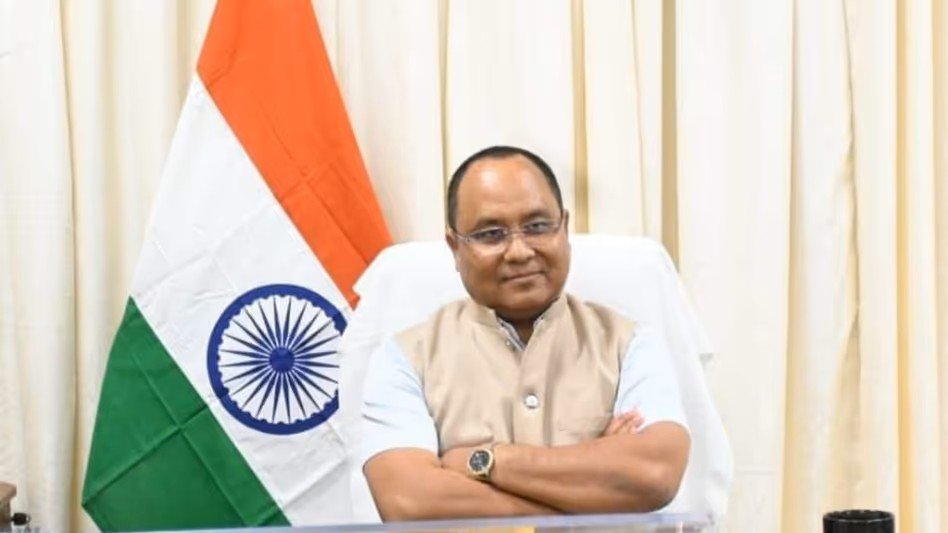
Forest Minister Animesh Debbarma emphasized that the government plans to preserve natural habitats while promoting tourism. He added that the project will also involve the local communities in its operations, thereby ensuring both conservation and livelihood development.
Government’s Vision for Eco Park Development
The state government believes that Tripura eco parks will not only enhance tourism but also become key livelihood sources for forest dwellers and rural communities. Various job roles such as eco-guides, food stall vendors, artisans, and maintenance workers will be created as part of the project.
To maintain eco-friendly practices, all constructions will use sustainable materials. Solar lighting, rainwater harvesting, and plastic-free zones will be implemented across the eco parks. The Forest Department will oversee the planning and execution, while involving NGOs and local self-help groups for implementation and upkeep.
Funding and Timeline of the Project
The entire development process will be carried out under the Tripura Forest Development and Plantation Corporation (TFDPC). Funding has already been allocated under the centrally sponsored scheme for eco-tourism.
Minister Debbarma said that work on the first phase will begin in the upcoming quarter. The state aims to complete all six parks by the end of 2026. Additionally, the government will run eco-tourism training workshops for local youth to equip them with necessary skills.
Community Participation at the Core
A key feature of this project is the active involvement of rural communities. Authorities plan to form eco-development committees in each location. These committees will help run park operations and engage in activities like forest conservation, cleanliness drives, and eco-tourism promotion.
This approach empowers local populations to earn a sustainable income without disturbing the environment. Women’s self-help groups will also be included to run craft stalls and homestays for visitors. Officials believe this will bring inclusive growth across Tripura’s rural belts.
Tourism Industry Set to Benefit
Tripura’s tourism department has welcomed the move. They believe these eco parks will act as magnets for nature tourism, especially for travelers seeking serene and less-explored destinations. With better infrastructure and services, Tripura could soon emerge as a leading green tourism hub in Northeast India.
Recent data shows a rise in domestic tourism post-pandemic. The eco parks could capitalize on this trend by offering eco-conscious experiences like birdwatching, trekking, and forest camping. Furthermore, homestays and cultural shows can boost rural tourism and highlight local traditions.
Experts Praise the Eco Park Plan
Environmentalists and development experts have lauded the initiative. According to them, the focus on sustainability and community participation makes it a model for other states. Since Northeast India is rich in biodiversity and tribal heritage, eco tourism can serve as a vital tool for both conservation and development.
Moreover, the integration of Tripura eco parks with education and awareness programs will help nurture ecological responsibility among young visitors. The plan includes interpretation centers and guided tours, which will enhance understanding of local flora and fauna.
Tripura’s decision to develop six eco parks is a bold and strategic step toward merging environmental sustainability with economic development. The initiative will support livelihoods, encourage eco-conscious travel, and help conserve the state’s rich biodiversity. With timely execution and strong community participation, these eco parks could redefine the future of tourism in Tripura.
Read More: Assam hill districts protests over Article 244(A): Powerful backlash erupted