


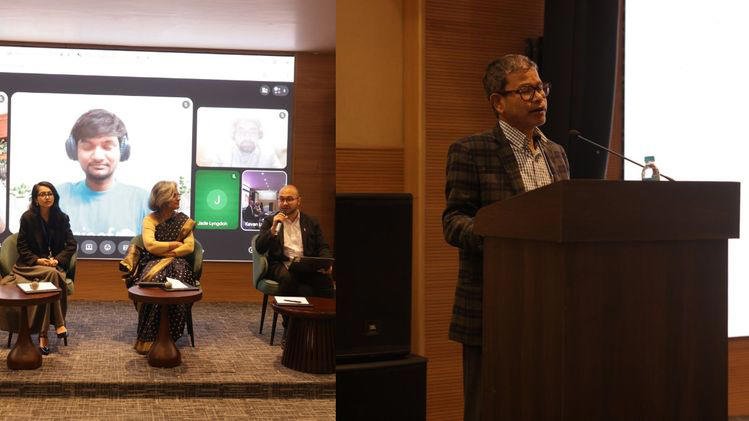
The UNICEF has extended its support to a youth action group in Meghalaya to enhance young people’s participation in governance. This initiative aims to empower youth voices and encourage their active involvement in decision-making processes at the local and state levels.
The collaboration marks a significant step toward building a more inclusive governance framework. By engaging young individuals, the initiative seeks to create a platform where their ideas and concerns can influence policies and development strategies.
Read More: ‘Jag Laadki’ Reaches Mundra with 80,886 MT Crude via Strait of Hormuz
Focus on Strengthening Youth Participation
The youth action group, backed by UNICEF, is designed to act as a bridge between policymakers and young citizens. Through this platform, participants can share their perspectives on key issues such as education, employment, health, and social welfare.
Moreover, the initiative encourages youth to take part in community discussions and civic activities. It also promotes leadership skills and awareness about governance structures. As a result, young individuals can better understand their role in shaping the future of their communities.
Building Leadership and Civic Awareness
One of the primary objectives of the initiative is to develop leadership qualities among youth. Training sessions, workshops, and interactive programs are being organized to equip participants with the necessary skills.
These activities focus on communication, critical thinking, and problem-solving. Additionally, they provide insights into how government systems function. This knowledge enables young people to engage more effectively with authorities and contribute to policymaking processes.
UNICEF officials have emphasized that informed and empowered youth can play a transformative role in society. Therefore, investing in their development is essential for sustainable progress.
Collaboration with Local Institutions and Stakeholders
The initiative involves collaboration with local institutions, community leaders, and government bodies. This multi-stakeholder approach ensures that the program remains relevant to the needs of the region.
By working closely with these stakeholders, the youth action group can address local challenges more effectively. It also helps in building trust between communities and government authorities. Furthermore, such partnerships enhance the impact of the initiative by ensuring broader participation.
Addressing Key Issues Affecting Youth
The program focuses on issues that directly affect young people in Meghalaya. These include access to quality education, employment opportunities, healthcare, and social inclusion.
Participants are encouraged to identify challenges in their communities and propose solutions. This approach not only fosters innovation but also instills a sense of responsibility among youth.
Additionally, the initiative aims to amplify voices from remote and underserved areas. By doing so, it ensures that diverse perspectives are included in governance discussions.
Promoting Inclusive and Participatory Governance
UNICEF’s support aligns with the broader goal of promoting inclusive governance. The initiative recognizes that youth are key stakeholders in the development process. Therefore, their involvement is crucial for creating effective and sustainable policies.
Participatory governance allows citizens to actively engage in decision-making. In this context, empowering youth can lead to more responsive and accountable systems. It also strengthens लोकतांत्रिक values and encourages transparency.
Encouraging Innovation and Community Engagement
The youth action group is also expected to drive innovation in addressing local challenges. By bringing fresh perspectives, young participants can contribute creative solutions to complex issues.
Community engagement forms a central part of the initiative. Youth members are encouraged to organize awareness campaigns, community meetings, and outreach programs. These activities help in spreading information and mobilizing public participation.
Moreover, such efforts contribute to building a sense of ownership among community members. This, in turn, enhances the effectiveness of development initiatives.
Meghalaya’s Growing Focus on Youth Empowerment
Meghalaya has been increasingly focusing on youth empowerment as a key component of its development strategy. Initiatives like the UNICEF-backed youth action group reflect this commitment.
The state government has also been working on programs aimed at improving education, skill development, and employment opportunities. By integrating youth into governance processes, Meghalaya aims to create a more dynamic and inclusive society.
This approach not only benefits young individuals but also contributes to the overall progress of the state.
Impact on Future Policy and Development
The involvement of youth in governance is expected to have a positive impact on policy formulation. Their inputs can help policymakers understand ground realities and design more effective solutions.
Over time, such initiatives can lead to stronger institutions and better governance outcomes. They also encourage a culture of active citizenship, where individuals take responsibility for their communities.
Furthermore, the program sets an example for other states to adopt similar models. It highlights the importance of youth engagement in achieving sustainable development goals.
Conclusion: A Step Towards Inclusive Governance
UNICEF’s support for Meghalaya’s youth action group represents a significant step toward inclusive and participatory governance. By empowering young people, the initiative aims to create a more responsive and accountable system.
As the program progresses, it is expected to bring meaningful changes in how governance is perceived and practiced. The active involvement of youth will not only strengthen democratic processes but also pave the way for a more inclusive future.
Read More: Tripura Assembly Session Cut Short, Ends on March 23