


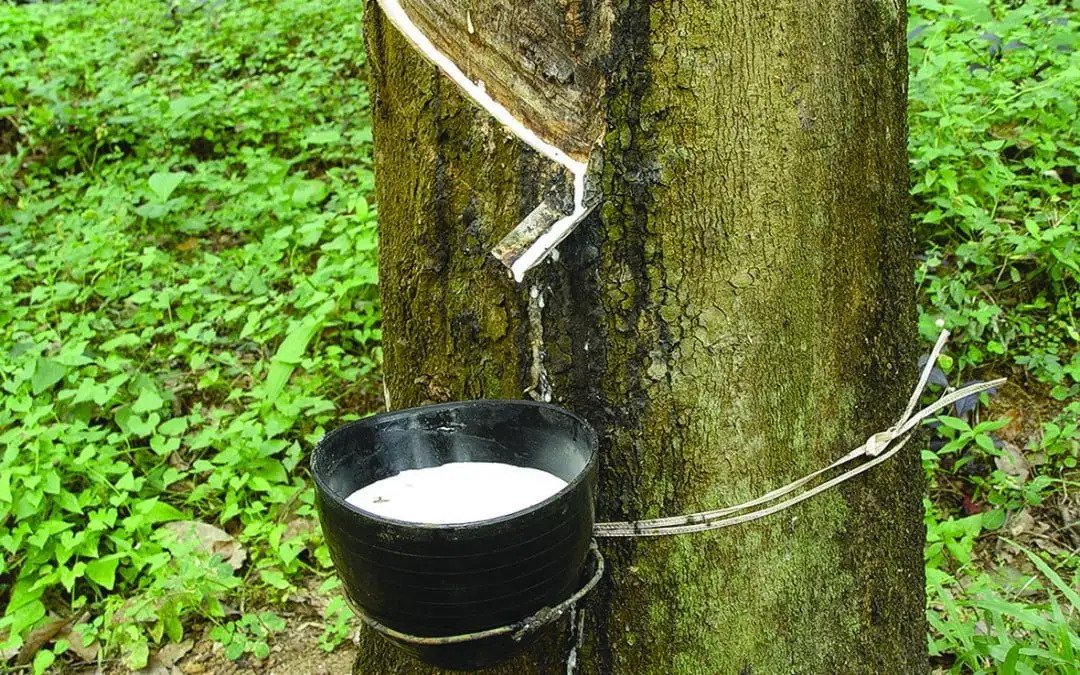
The Tribal Welfare Department has earmarked ₹27.50 crore under the Centre’s Special Assistance to State for Capital Investment (SASCI) scheme to strengthen rubber processing infrastructure in tribal regions during the 2025–26 financial year, senior officials confirmed.
The initiative will roll out under the Rubber Processing Scheme (RPS) in a phased manner. It aims to set up local rubber sheet production units, construct smoking houses, install roller machines, and provide skill development training to tribal youth.
Read More: Supreme Court Stays Tripura HC Order on Regular Pay Scale
Phased Implementation and Funding Details
Officials estimate that each rubber processing unit will cost approximately ₹75 lakh. The government recently issued administrative approval for the final instalment of ₹9.20 crore. Earlier, authorities released ₹11.30 crore and ₹2 crore, completing the total sanctioned allocation of ₹27.50 crore.
A government memorandum states that officials routed the funds through the Drawing and Disbursing Officer (DDO) of the Tribal Welfare Department to the Khumulang branch of the Tripura Tribal Areas Autonomous District Council (TTAADC).
Authorities will manage transactions through a designated account at Tripura Gramin Bank’s Khumulang branch. Construction and installation work will proceed strictly according to approved technical estimates and guidelines.
Boost to Rubber Farmers in Tribal Belts
Tripura ranks among India’s leading rubber-producing states. However, officials say farmers in tribal areas often struggle to secure fair prices due to limited primary processing and storage infrastructure.
Without adequate facilities, growers frequently depend on intermediaries, which reduces their profit margins. The new scheme seeks to address this gap by enabling localised production of processed rubber sheets.
By establishing units closer to plantations, the department expects farmers to improve price realisation, cut transport costs, and reduce reliance on middlemen. Small and marginal growers in tribal belts stand to benefit the most from the initiative.
Officials also believe that value addition at the local level will enhance the overall competitiveness of Tripura’s rubber sector.
Focus on Skill Development and Employment
Beyond infrastructure creation, the scheme emphasises skill development for tribal youth. The department plans to conduct training programmes alongside the establishment of processing units.
Officials say the training component will equip young people with technical skills related to rubber processing, machinery handling, and quality control. This approach aims to generate employment opportunities within tribal communities and ensure sustainable operation of the new units.
The initiative aligns with broader efforts to promote self-reliance and income generation in tribal areas.
Progress Reporting Yet to Begin
While funding allocation has been completed, officials acknowledge concerns regarding progress reporting. As per guidelines, implementing agencies must submit monthly progress reports by the 5th of each month.
Authorities must also provide utilisation certificates and geo-tagged photographs to facilitate subsequent monitoring and compliance. However, sources confirmed that no formal progress report has yet been filed.
Timely submission of documentation will remain crucial for transparency and effective implementation.
Political Reactions
Meanwhile, Tipra Motha, which governs the ADC, has alleged that the state government has not provided adequate financial support for village-level development.
Official records, however, indicate that authorities have transferred funds to the ADC administration under multiple schemes, including the current rubber processing initiative.
Strengthening Tribal Economy
Officials view the ₹27.50 crore investment as a strategic step to strengthen the tribal economy through value addition and employment generation. By improving infrastructure and building local capacity, the government aims to ensure that rubber growers receive better returns and that youth gain sustainable livelihood opportunities.
If implemented efficiently, the Rubber Processing Scheme could significantly enhance income levels in tribal regions while reinforcing Tripura’s position in India’s rubber industry.
Also Read: NSF Opposes Centre’s Vande Mataram Directive