


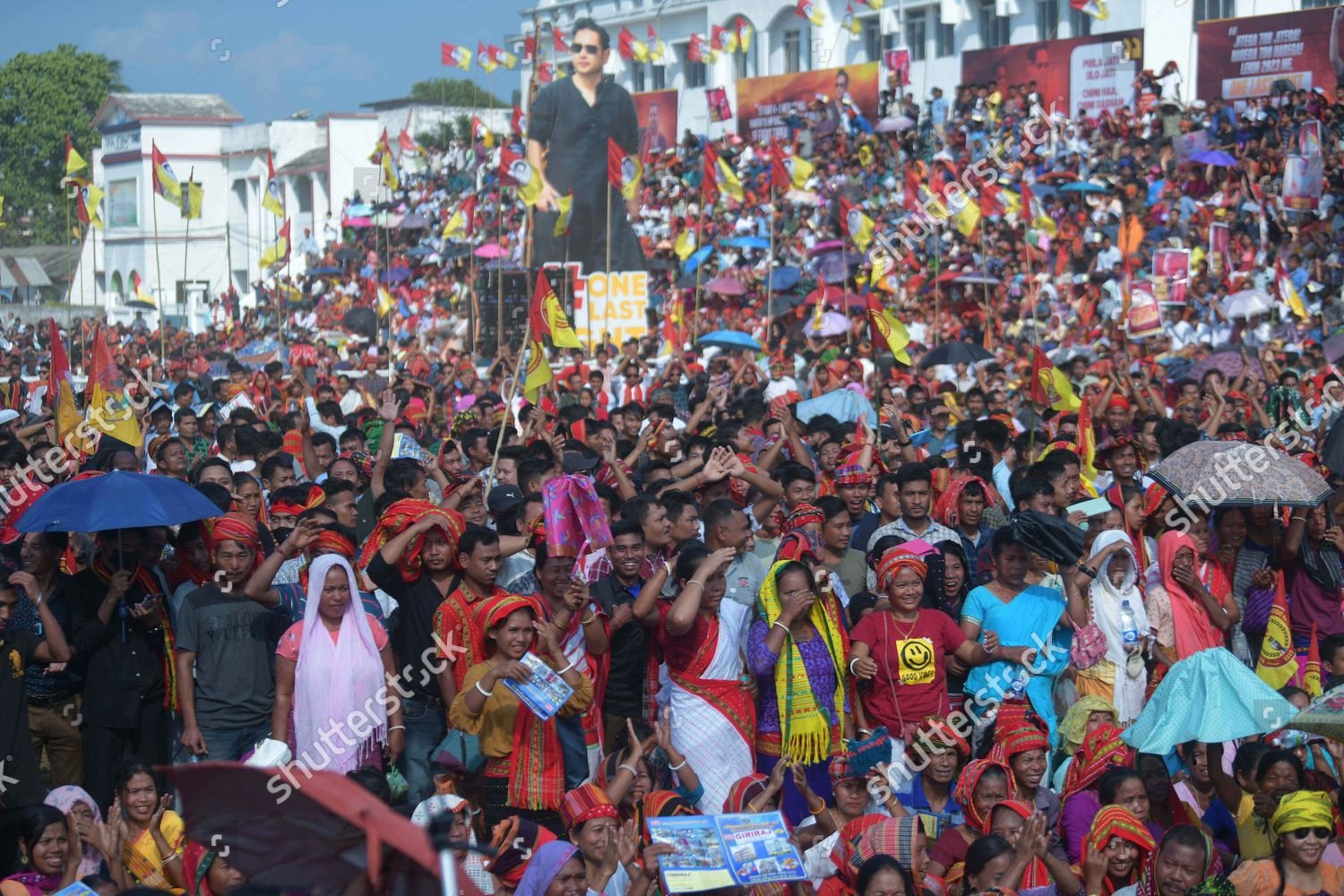
The Tipra Motha joining program witnessed a significant political development as more than 300 regional voters from Chhailengta and Ampi Nagar formally left opposition parties and joined the Tipra Motha Party (TMP). The grassroots events highlighted the party’s growing influence in the hilly regions and reflected ongoing shifts in the local political landscape. Moreover, party leaders welcomed the new members and emphasized strengthening grassroots support ahead of future political activities.
Village Poll Voter List Dates Announced
Highway Waterlogging Relief Measures Begin
Tipra Motha Strengthens Grassroots Presence
The Tipra Motha Party has expanded its support base after more than 300 voters from Chhailengta and Ampi Nagar joined the party through organized grassroots programs. The development marks another notable moment in the evolving political landscape of the state’s hilly regions.
Moreover, party leaders described the joining events as evidence of increasing public engagement with the party’s vision and policies. As political activities continue across various regions, grassroots mobilization remains a key strategy for strengthening organizational networks.
Consequently, the joining programs have attracted attention from political observers and local communities.
Over 300 Voters Switch Political Allegiance
During the events, more than 300 individuals reportedly left opposition camps and formally enrolled as members of the Tipra Motha Party. The move reflects changing political preferences among sections of the electorate in the affected areas.
Furthermore, political realignments often occur when voters seek new leadership, alternative policies, or stronger local representation. Such developments frequently influence future political dynamics at the grassroots level.
As a result, the latest shift has become a significant talking point in regional political discussions.
Focus on Chhailengta and Ampi Nagar
The joining programs took place in Chhailengta and Ampi Nagar, two areas that play an important role in the political landscape of the hilly regions. Political parties often focus on these areas due to their active voter participation and community engagement.
Moreover, grassroots outreach programs help parties strengthen connections with local residents and understand community concerns more effectively. Through direct engagement, political organizations can build stronger support networks.
Consequently, these regions continue to attract attention during political mobilization efforts.
Importance of Grassroots Political Programs
Grassroots programs serve as an essential tool for political outreach and organizational growth. Through local events, parties can communicate their objectives, engage with voters, and expand their membership base.
Additionally, direct interaction allows political leaders to address public concerns and gather feedback from communities. Such engagement often strengthens relationships between party workers and local residents.
Therefore, grassroots activities remain a fundamental part of political strategy.
Growing Influence of Regional Parties
Regional political parties frequently play a significant role in shaping local governance and public discourse. Their influence often grows when they successfully connect with community aspirations and regional concerns.
Furthermore, strong grassroots support can enhance a party’s organizational strength and political visibility. Membership expansion often serves as an indicator of increasing public engagement.
As a result, political analysts closely monitor developments involving regional parties and voter movements.
Political Realignments Shape Local Dynamics
Changes in political affiliation can influence local political equations and future electoral strategies. When groups of voters switch support, parties often reassess outreach efforts and organizational priorities.
Moreover, such realignments can encourage increased political activity as parties compete to strengthen their presence in key areas. Political organizations frequently respond by intensifying grassroots engagement and community interactions.
Consequently, voter movements can contribute to shifts in local political dynamics.
Community Participation in Political Processes
Active participation remains a cornerstone of democratic systems. Through party memberships, public meetings, and community programs, citizens engage directly in political processes and decision-making.
Additionally, grassroots involvement helps ensure that local concerns receive attention from political representatives. Strong community participation often leads to more responsive governance and public dialogue.
Therefore, joining programs also reflect broader democratic engagement at the local level.
Significance for Future Political Activities
Membership expansion can strengthen a party’s organizational structure and improve its ability to conduct outreach activities. Therefore, political parties often view joining programs as important milestones in their growth strategy.
Furthermore, increased grassroots support may help parties build momentum for future campaigns and public initiatives. Strong local networks often contribute to more effective communication and mobilization efforts.
As a result, the latest development may influence future political planning in the region.
Strengthening Local Party Networks
Political organizations rely on active local units to maintain strong community connections. New members often contribute to outreach efforts, organizational activities, and public engagement programs.
Moreover, expanded membership can improve coordination and strengthen party structures at the village and community levels. Effective grassroots networks frequently support long-term political growth.
Consequently, the joining programs represent more than symbolic events; they also contribute to organizational development.
Looking Ahead
Following the successful membership drives, the Tipra Motha Party is expected to continue expanding its outreach efforts across various regions. Party leaders may focus on strengthening engagement with communities and addressing local development concerns.
Furthermore, political observers will closely monitor whether similar shifts occur in other areas. Continued grassroots activity could play a significant role in shaping future political trends.
As a result, the coming months may witness further developments in the region’s political landscape.
Conclusion
The Tipra Motha joining program in Chhailengta and Ampi Nagar marked a notable political development, with more than 300 voters leaving opposition camps to join the party. The grassroots events highlighted the importance of community engagement and reflected changing political preferences in the hilly regions.
As political activities continue, the expansion of party membership may influence local political dynamics and strengthen grassroots networks. The development underscores the growing significance of direct voter engagement in shaping regional politics.
FAQs
How many people joined the Tipra Motha Party?
More than 300 voters reportedly joined the Tipra Motha Party during the grassroots programs.
Where did the joining programs take place?
The events took place in Chhailengta and Ampi Nagar.
Why are grassroots joining programs important?
They help political parties expand membership, engage with communities, and strengthen local organizational networks.
What does the development indicate?
The move reflects changing political preferences and growing grassroots engagement in the region.
How can such political shifts affect local politics?
Voter realignments can influence political strategies, party outreach efforts, and future electoral dynamics.