


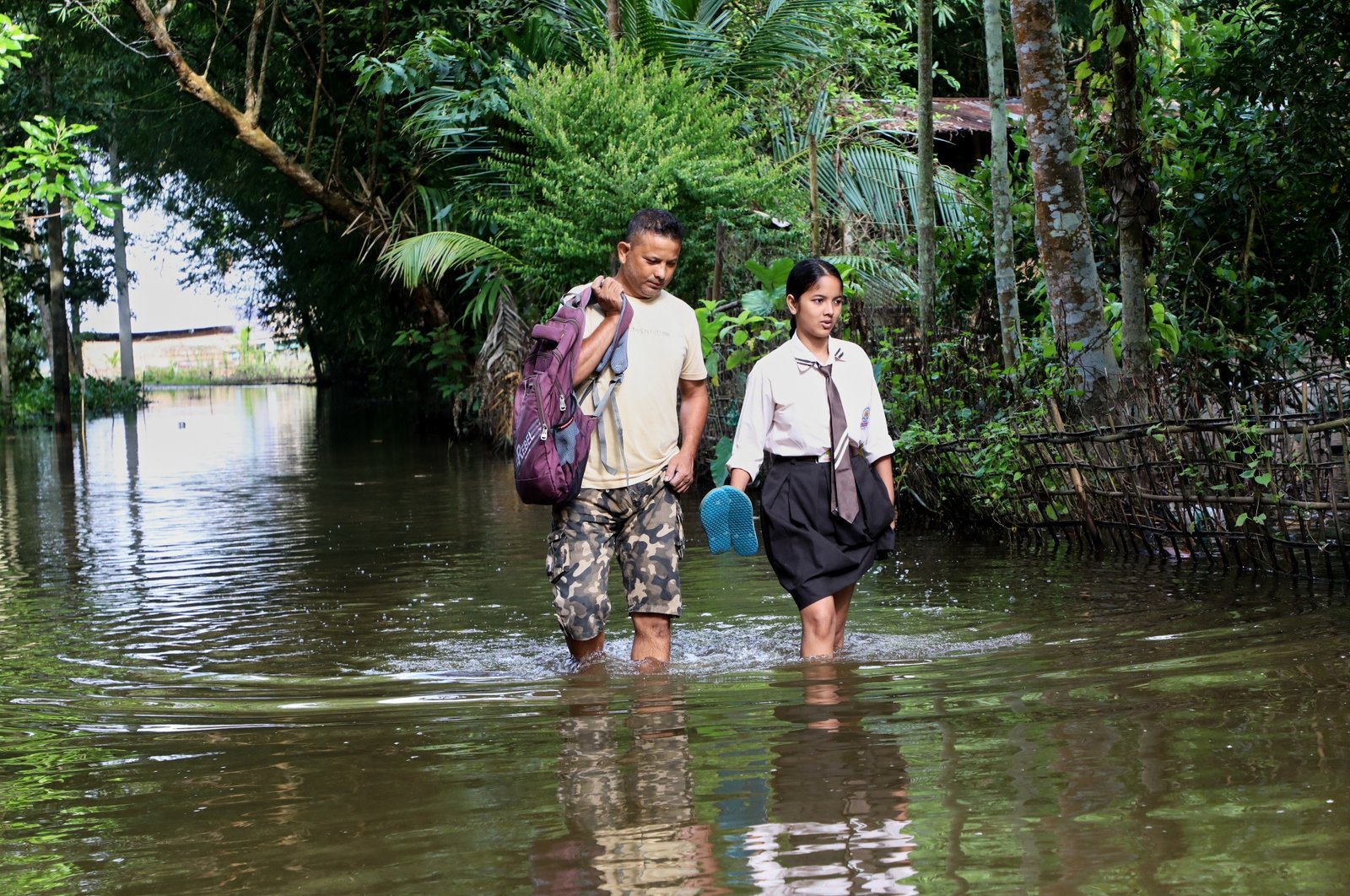
The 2026 Assam floods have become a major political issue after the reported death toll reached 95, intensifying debate over disaster preparedness, relief distribution, infrastructure, and government accountability. The crisis has affected communities across the state while placing pressure on the administration to deliver emergency assistance.
Flooding has disrupted homes, agriculture, transportation, and public services. Moreover, the scale of the disaster has pushed flood management higher on the political agenda as opposition parties, civil society groups, and affected residents demand stronger responses.
However, the political consequences will depend not only on the final toll but also on how effectively authorities manage relief, rehabilitation, and long-term flood prevention.
Tanishka Chugera: Beyond Goodbye, A Daughter’s Journey Through Love, Loss and Healing
Assam Floods Put Government Response Under Spotlight
The reported death toll of 95 has placed the government’s disaster response under intense scrutiny.
Authorities must coordinate rescue operations, relief camps, food distribution, healthcare, transportation, and rehabilitation. Furthermore, officials need to communicate clearly with affected communities as conditions change.
The crisis therefore creates a direct test of administrative capacity.
However, flood response involves multiple agencies, making coordination between state, district, and local authorities essential.
Relief Operations Become Political Issue
Relief distribution can strongly influence public perceptions during a disaster.
Families affected by flooding depend on government agencies and local organisations for food, drinking water, shelter, medicines, and other essentials. Moreover, delays or shortages can quickly become political talking points.
Opposition parties can use such gaps to question government preparedness and accountability.
However, isolated complaints do not necessarily represent conditions across the entire state.
Sivasagar Draws Attention
Sivasagar has emerged as one of the areas receiving attention as authorities manage flood-displaced residents.
Relief camps have become important centres for providing shelter and essential supplies. Additionally, officials must monitor camp populations and ensure that vulnerable residents receive appropriate support.
The situation has consequently increased attention on district-level disaster management.
However, conditions can differ significantly between individual camps and affected communities.
Agriculture Adds Pressure
Flooding has created significant risks for Assam’s agricultural economy.
Farmers can lose standing crops, livestock, stored produce, and access to agricultural land. Furthermore, prolonged flooding can delay planting and damage rural infrastructure.
These losses can extend the political impact of the disaster beyond the immediate emergency.
However, the full economic damage usually becomes clearer after authorities complete detailed assessments.
Infrastructure Failures Face Scrutiny
Repeated flooding has renewed attention on roads, embankments, drainage systems, bridges, and other infrastructure.
When floodwaters damage or submerge roads, authorities can face difficulties delivering relief and reconnecting isolated communities. Moreover, questions about infrastructure planning can become central to political debates after major disasters.
Long-term investment therefore remains an important issue.
However, flood damage can result from exceptionally severe weather as well as infrastructure weaknesses.
Opposition Gains an Accountability Platform
The disaster provides opposition parties with an opportunity to question government policies.
They can demand information about relief spending, rescue operations, compensation, infrastructure maintenance, and flood-control measures. Additionally, opposition leaders can visit affected areas and highlight concerns raised by residents.
Such political activity can increase pressure on the government.
However, disaster response also requires cooperation across political lines when immediate humanitarian needs remain urgent.
Government Defends Disaster Response
The administration can point to rescue operations, relief camps, emergency supplies, and coordination with disaster-response agencies as evidence of its response.
Officials can also highlight measures designed to move affected residents to safer areas and maintain essential services. Furthermore, government agencies can use official data to track water levels, casualties, and relief requirements.
These efforts can shape public perceptions of administrative performance.
However, residents ultimately judge the response through conditions on the ground.
Flood Management Returns to Political Agenda
Assam’s recurring floods make long-term flood management a persistent political issue.
Governments face pressure to improve embankments, drainage, river management, early-warning systems, and disaster preparedness. Moreover, climate variability and changing rainfall patterns can complicate planning.
The 2026 crisis could consequently strengthen demands for a more comprehensive flood-management strategy.
However, long-term projects require sustained investment and coordination across multiple institutions.
Rural Communities Face Greater Exposure
Rural and riverine communities often face significant disruption during severe flooding.
Residents may lose access to roads, markets, schools, healthcare facilities, and agricultural land. Additionally, repeated flooding can create long-term financial pressure on households.
Political parties therefore face demands to address both immediate relief and long-term resilience.
However, different communities experience flooding differently depending on geography and local infrastructure.
Displacement Shapes Public Debate
Flood displacement can create political pressure around rehabilitation.
Families may need temporary shelters before they can safely return home. Furthermore, households whose homes or livelihoods suffer major damage may require longer-term assistance.
Questions about compensation and rehabilitation can consequently remain politically important after floodwaters recede.
However, compensation generally depends on official damage assessments and applicable government guidelines.
Healthcare and Sanitation Become Priorities
Flood emergencies can place additional pressure on healthcare systems.
Authorities need to provide medicines, medical teams, clean drinking water, sanitation facilities, and disease-prevention measures in affected areas. Moreover, relief camps require regular monitoring to protect vulnerable residents.
Public-health management can therefore influence perceptions of government performance.
However, health risks can continue even after floodwaters begin to decline.
Youth and Civil Society Mobilise
Young volunteers, community groups, and civil society organisations often contribute to emergency relief.
They can distribute supplies, help evacuate residents, and communicate local needs. Furthermore, community organisations can bring attention to problems that officials may not immediately detect.
Their involvement can strengthen relief efforts.
However, volunteer activities work most effectively when they coordinate with established emergency-response systems.
Media Coverage Intensifies Political Debate
Extensive coverage of flood-affected communities can increase political pressure.
Images and reports from relief camps, damaged infrastructure, and displaced households can shape public perceptions. Additionally, social media can amplify both verified information and unconfirmed claims.
Authorities therefore need timely and accurate communication.
However, citizens should distinguish official information from unverified reports during fast-moving emergencies.
Compensation Could Shape Public Sentiment
Government assistance after the floods could influence political perceptions.
Affected households may seek compensation for damaged homes, crops, livestock, and other losses. Moreover, delays in processing claims can create frustration among communities already facing economic hardship.
Efficient rehabilitation can therefore become an important measure of government performance.
However, compensation depends on eligibility, damage assessments, and available relief frameworks.
Long-Term Flood Policy Under Review
The crisis has revived questions about Assam’s broader flood-management strategy.
Political debate can focus on embankment maintenance, drainage improvements, river management, wetland protection, early-warning systems, and resilient infrastructure. Furthermore, policymakers may face pressure to connect emergency response with long-term climate and disaster planning.
Such reforms could shape future political debates.
However, sustainable flood management requires long-term implementation rather than short-term announcements.
Electoral Impact Remains Uncertain
The political consequences of the 2026 floods will depend on how affected communities assess the government’s response.
If residents receive timely relief and effective rehabilitation, the administration could strengthen its credibility. Conversely, persistent shortages or delays could provide opposition parties with stronger political arguments.
Public opinion may therefore evolve as recovery continues.
However, it remains too early to predict a specific electoral outcome solely from the flood crisis.
Conclusion
The 2026 Assam floods, with a reported death toll of 95, have moved beyond an immediate humanitarian crisis to become a significant political issue. The disaster has intensified debate over relief operations, flood-control infrastructure, agricultural losses, displacement, healthcare, and government accountability.
Moreover, the political impact will depend heavily on how authorities handle the recovery phase. Effective compensation, rehabilitation, infrastructure repair, and long-term flood-prevention measures could shape public confidence, while unresolved grievances could strengthen opposition criticism.
Overall, the floods have once again placed disaster management at the centre of Assam’s political conversation. The government’s response in the months ahead will likely matter as much as its emergency actions during the crisis.
FAQs
1. How many people have reportedly died in the 2026 Assam floods?
The reported flood-related death toll has reached 95, although official figures can change as authorities continue assessments.
2. Why have the floods become a political issue?
The crisis has raised questions about relief distribution, infrastructure, flood preparedness, compensation, and government accountability.
3. Why is Sivasagar receiving attention?
Sivasagar has faced flood-related displacement and relief-camp pressures, making local disaster management an important part of the wider response.
4. Could the floods affect Assam’s future elections?
They could influence public opinion, particularly if communities evaluate the government’s relief and rehabilitation efforts. However, any electoral impact remains uncertain.
5. What long-term issues could dominate the political debate?
Flood-control infrastructure, embankments, drainage, river management, early-warning systems, agricultural resilience, and disaster preparedness could remain major political issues.