


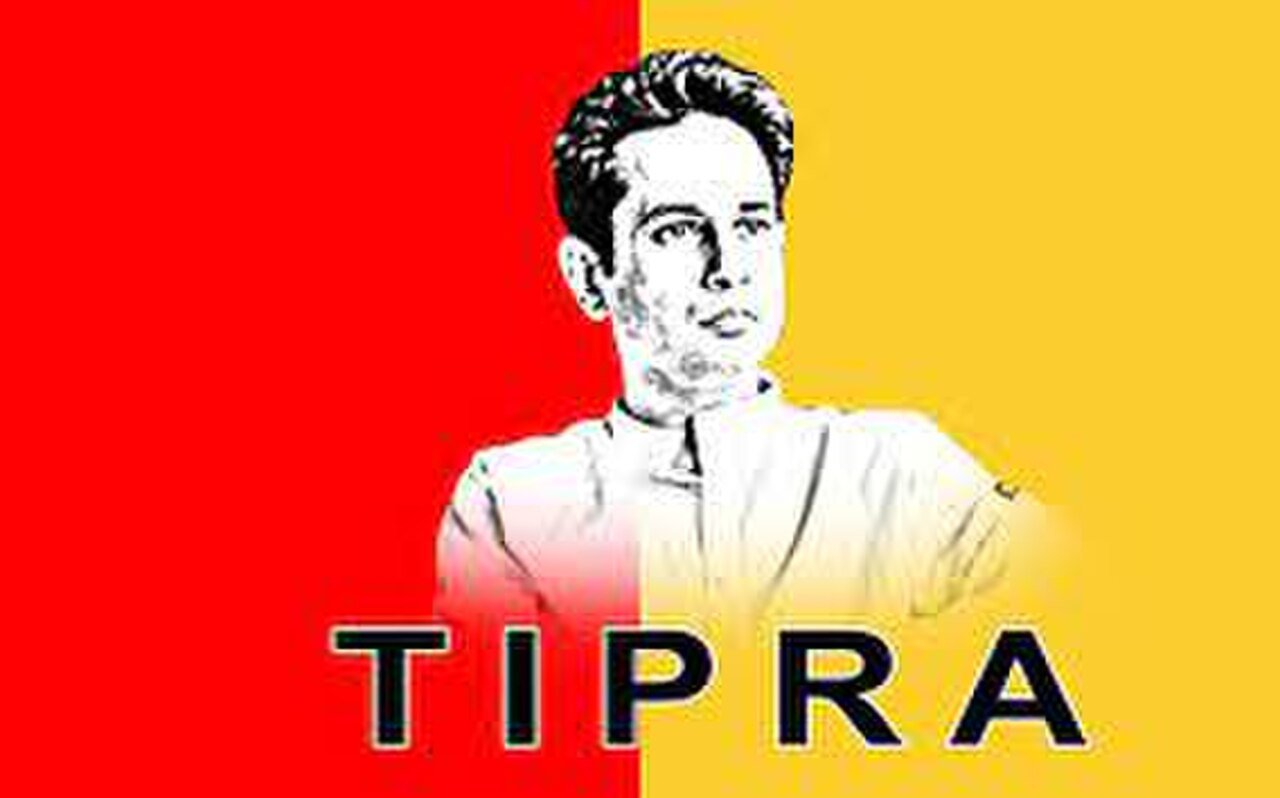
The Tipra Motha Tipraland demand has become the subject of fresh internal criticism after MLA Chitta Ranjan Debbarma questioned his party’s leadership. In a social media post, the Ambassa legislator expressed disappointment over what he described as the gradual dilution of the movement’s original objective. He also questioned how the party’s “No Compromise, One Last Fight” slogan evolved into political agreements with the Centre. His remarks have renewed debate over the party’s promises on indigenous rights, constitutional safeguards and the demand for a separate state.
Tripura CM Signals 8th Pay Commission Plans
Chitta Ranjan Debbarma Questions the Party’s Political Direction
Chitta Ranjan Debbarma criticised the party leadership for allegedly moving away from the original Tipraland demand. He argued that the aspirations of ordinary Tiprasa people had taken a back seat to political interests.
In his post, the MLA recalled the movement’s earlier phase under the leadership of the late NC Debbarma. He said the demand for Tipraland had gained momentum in 2009.
He then referred to January 4, 2018, when, according to his allegation, the demand was abandoned through an understanding with a national political party in exchange for a financial package.
These claims reflect Debbarma’s account of the movement’s political history. The post does not establish that all party leaders shared his interpretation.
MLA Questions the ‘No Compromise’ Slogan
Debbarma also revisited the political developments of 2021, when Pradyot Kishore Manikya Debbarma promoted the Greater Tipraland movement.
The slogan “No Compromise, One Last Fight” generated expectations among supporters seeking a stronger political and constitutional arrangement for indigenous communities.
However, Chitta Ranjan Debbarma questioned how that message eventually gave way to an agreement between Tipra Motha and the Government of India.
He also referred to the phrase “One Northeast” and questioned whether the agreement adequately addressed the party’s original demand.
His criticism centres on the gap between the expectations created by the movement and the political direction that followed.
Separate Tipraland State Remains Central to His Argument
The MLA reiterated his demand to create a separate Tipraland state covering the Tripura Tribal Areas Autonomous District Council (TTAADC) region.
He referred to Articles 2 and 3 of the Constitution of India, which deal with the admission or establishment of new states and the alteration of existing state boundaries.
Debbarma argued that a separate state arrangement would protect the identity and future of the Tiprasa people.
The demand forms part of a wider political debate over indigenous rights, land protection, administrative autonomy and constitutional safeguards in Tripura.
Tipra Motha’s official position also refers to Greater Tipraland as a constitutional solution intended to protect the interests of indigenous communities, including Tiprasas living outside the existing TTAADC areas.
Earlier Criticism of Party Policies
This is not the first time Chitta Ranjan Debbarma has questioned the party’s approach. In June 2026, he raised concerns about its position on Greater Tipraland and related demands.
He also questioned the leadership’s response to the implementation of provisions under the Tiprasa Accord.
His earlier comments suggested that the party’s political achievements had not translated into sufficient progress on some of its core commitments.
The latest post adds to that criticism by directly revisiting the movement’s history and the decisions that shaped its political direction.
Tipra Motha Leadership Yet to Respond Publicly
Debbarma’s latest remarks have drawn attention because they challenge the party’s political strategy and its leadership’s handling of the Greater Tipraland movement.
The report carrying his statement did not include a response from Pradyot Kishore Manikya Debbarma or the Tipra Motha leadership.
It also remains unclear whether the party will seek an explanation from the MLA or hold an internal discussion on his criticism.
The episode could bring renewed attention to differences within the party over its political agreements and the pace of progress on indigenous demands.
Greater Tipraland Debate Continues in Tripura
The debate over Greater Tipraland remains an important issue in Tripura politics. The movement seeks stronger constitutional, political and administrative safeguards for indigenous communities.
Tipra Motha has presented its demand as a broader constitutional solution that includes indigenous people living both within and outside the TTAADC areas.
Debbarma’s criticism raises questions about how the party balances that long-standing demand with its participation in political agreements and government arrangements.
His statement has therefore reopened a discussion about accountability, representation and the expectations of indigenous communities.
Conclusion
Tipra Motha MLA Chitta Ranjan Debbarma has publicly questioned his party’s leadership over the direction of the Tipraland movement. He alleged that political interests sidelined the original demand and challenged the outcome of the “No Compromise, One Last Fight” campaign. He has reiterated the demand for a separate Tipraland state under the constitutional framework. The party leadership’s response remains awaited, while the remarks have renewed debate over Tipra Motha’s commitments to indigenous rights and political safeguards.
FAQs
1. Which Tipra Motha MLA criticised the party leadership?
Ambassa MLA Chitta Ranjan Debbarma questioned the party’s handling of the original Tipraland demand.
2. What did Chitta Ranjan Debbarma allege?
He alleged that political interests led to the dilution or abandonment of the original Tipraland demand.
3. What slogan did he question?
He questioned Pradyot Kishore Manikya Debbarma’s “No Compromise, One Last Fight” slogan.
4. When did Debbarma publish his criticism?
He published the social media post on November 22, 2026.
5. What constitutional provisions did he refer to?
He referred to Articles 2 and 3 of the Indian Constitution in support of his demand for a separate state.
6. Has the Tipra Motha leadership responded?
The report carrying his remarks did not include a public response from Pradyot Kishore or the party leadership.