


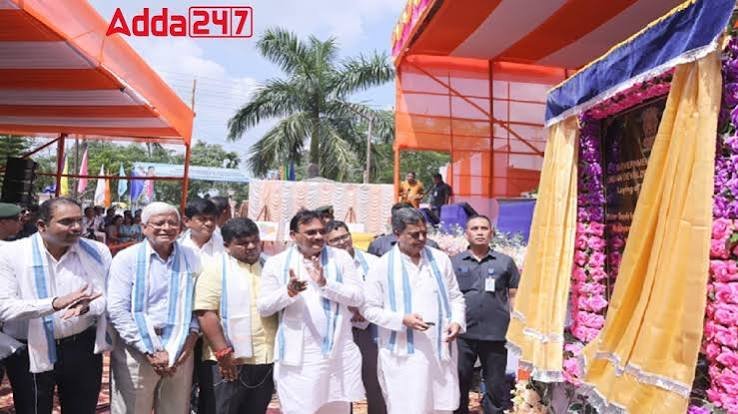
The Belonia drinking water project aims to expand access to reliable drinking water across Belonia town in South Tripura. The initiative forms part of Tripura’s wider urban water supply improvement programme, supported by the Asian Development Bank (ADB). The state launched the broader ₹530-crore programme in September 2024 to improve drinking water services in 12 towns. Belonia is among the selected urban centres expected to benefit from the investment.
Tripura Education Department Distributes Scooties to Meritorious Female Students
The project seeks to strengthen the town’s water supply infrastructure and improve access to treated water for urban households. Moreover, it reflects a wider effort to upgrade essential municipal services across Tripura. Reliable water supply remains an important public service because it supports household needs, sanitation and public health.
However, the precise details of the latest Belonia launch, including its date, the number of households covered and the specific infrastructure commissioned, were not confirmed in the available reports. The following report outlines the initiative in the context of the verified state-level programme.
Belonia Drinking Water Project Targets Wider Town Coverage
The Belonia drinking water project forms part of a broader programme designed to improve urban water supply in Tripura. On September 20, 2024, Chief Minister Manik Saha laid the foundation stone for the ₹530-crore ADB-supported scheme at a programme in Udaipur, Gomati district. Officials said the overall initiative would benefit around four lakh people across 12 towns. It also aimed to address drinking water needs in more than 75,000 families.
Belonia features among the selected towns alongside Udaipur, Amarpur, Melaghar, Bishramganj, Khowai, Ranir Bazar, Mohanpur, Dharmanagar, Kailashahar, Kumarghat and Ambassa. Seven of these towns serve as district headquarters, including Belonia. Consequently, improvements to water infrastructure in the town form part of a larger plan to strengthen basic urban services across the state.
The stated goal of wider coverage is significant for residents who depend on municipal supply. An effective distribution network can help water reach more neighbourhoods and reduce reliance on alternative sources. Nevertheless, actual benefits will depend on the infrastructure completed, the reliability of the supply and the quality of water delivered to households.
Furthermore, comprehensive coverage requires more than laying pipelines. Authorities must ensure that the system can supply sufficient water, maintain pressure across the network and respond to local demand. Regular maintenance and effective operation will also matter after construction ends.
The latest announcement describes a launch intended to cover the entire Belonia town area. However, the available sources do not provide a verified ward-wise coverage plan or confirm that every household already receives water through the upgraded network. Therefore, the distinction between the project’s intended coverage and completed household connections remains important.
ADB Support Strengthens Tripura’s Urban Water Infrastructure
The wider programme aims to improve water supply infrastructure through several types of construction and upgrades. According to reports published when the scheme began, the plan included approximately 305 kilometres of pipelines, 25 deep tubewells, 18 iron-removal plants, four water-treatment plants and 19 reservoirs. These facilities were intended to strengthen supply systems across the 12 participating towns.
Each component serves a different purpose. Pipelines carry water through transmission and distribution networks, while deep tubewells provide sources of groundwater. Iron-removal plants help reduce excessive iron content, where required, and treatment facilities support the preparation of water for distribution. Meanwhile, reservoirs can help store water and manage supply across different parts of an urban area.
The Asian Development Bank’s wider Tripura Urban and Tourism Development Project also focuses on improving municipal infrastructure and public services. Its objectives include better water supply, improved roads and drainage, and stronger capacity among urban local bodies to manage services. The programme covers 12 urban local bodies and includes measures to improve infrastructure planning, operations and maintenance.
In addition, the project places emphasis on the long-term management of urban services. Infrastructure requires regular inspection, timely repairs and proper financial planning to remain effective. Therefore, the benefits of the Belonia drinking water project will depend not only on construction but also on how authorities operate and maintain the system.
ADB support provides a financing framework for these improvements. However, successful implementation also requires coordination between state departments, municipal authorities, contractors and service operators. Their responsibilities include completing work to the required standards and ensuring that the system can meet residents’ needs.
Belonia Drinking Water Project Could Improve Household Access
A dependable municipal water supply can make everyday life easier for residents. When households receive sufficient water through a reliable network, they may face less difficulty arranging water for cooking, cleaning and personal hygiene. Moreover, dependable supply can reduce the time and effort people spend collecting water from alternative sources.
The Belonia drinking water project is intended to support these needs by expanding and improving the town’s water infrastructure. However, the extent of the improvement will depend on the quality of implementation and the performance of the completed network. Residents will benefit most when water reaches their neighbourhoods regularly and meets applicable quality standards.
Water quality remains just as important as availability. A supply system must protect water from contamination during treatment, storage and distribution. Accordingly, authorities need to monitor water quality and respond promptly when testing identifies a problem. Residents also need clear information about service interruptions and any measures required during maintenance.
Furthermore, the town’s distribution network must account for differences in local demand. Areas with growing populations or limited existing infrastructure may need particular attention. A phased implementation plan, if applicable, should help authorities identify service gaps and prioritise work according to local requirements.
Yet, the available reporting does not establish the exact number of new connections planned specifically for Belonia under the latest launch. It also does not confirm the timetable for completing every part of the town’s network. These details would help residents understand when the upgraded service may reach their neighbourhoods.
The programme’s wider objective remains to improve access to urban drinking water. Therefore, transparent progress updates, water-quality information and clear service arrangements will be important indicators of how effectively the investment meets its intended purpose.
Implementation and Maintenance Will Determine Long-Term Benefits
The long-term success of the Belonia drinking water project will depend on effective implementation and consistent maintenance. Building new infrastructure is only one stage of improving municipal water services. Authorities must also ensure that the system operates efficiently after construction and that residents can report supply problems.
Regular maintenance can help identify pipeline leaks, equipment faults and distribution problems before they cause prolonged interruptions. Similarly, scheduled water-quality testing can help authorities monitor whether the supply remains suitable for its intended use. These measures support public confidence in the municipal system.
Coordination among the Urban Development Department, local authorities and relevant service agencies will also remain important. The Asian Development Bank’s programme highlights institutional capacity, infrastructure operations and maintenance as part of its broader urban development objectives.
In addition, authorities need to communicate clearly with residents during construction and maintenance. Timely notices about road works, temporary interruptions and changes to supply schedules can help households plan their daily activities. Once work progresses, public updates can also clarify which areas have received connections and which still require attention.
Financial planning is another key consideration. Water systems need resources for electricity, repairs, testing and the replacement of worn-out equipment. Without adequate operational support, even newly built infrastructure can struggle to deliver consistent service over time.
The state-level programme provides a framework for improving urban water supply across Tripura. However, Belonia’s results will ultimately depend on the completion of its planned works and the performance of the network in everyday use. Residents will need clear information about progress, coverage and service quality to assess the practical benefits.
Conclusion
The Belonia drinking water project forms part of Tripura’s broader effort to improve urban drinking water services through ADB-supported investment. The state’s ₹530-crore programme includes Belonia among 12 towns selected for infrastructure improvements. Its wider plan includes pipelines, deep tubewells, water-treatment facilities and reservoirs.
The initiative aims to strengthen water access for urban households and improve essential municipal services. Nevertheless, the actual benefits will depend on implementation, household connections, regular supply and effective water-quality monitoring. The latest launch announcement does not, by itself, establish that every household in Belonia already receives water through the upgraded system.
Going forward, timely completion reports and transparent updates from the authorities will help residents understand the project’s progress. Clear information about neighbourhood coverage, commissioning dates and supply schedules will be particularly useful. Ultimately, reliable operation and regular maintenance will determine whether the infrastructure delivers lasting improvements to daily life across Belonia town.
FAQs
1. What is the Belonia drinking water project?
The Belonia drinking water project is an initiative intended to improve drinking water coverage across Belonia town. It forms part of Tripura’s wider ADB-supported urban water supply programme.
2. How much funding was announced for the wider Tripura water supply programme?
The broader programme was announced with an allocation of ₹530 crore to improve water supply in 12 towns across Tripura.
3. Which other towns are included in the ADB-supported programme?
The 12 towns are Udaipur, Amarpur, Belonia, Melaghar, Bishramganj, Khowai, Ranir Bazar, Mohanpur, Dharmanagar, Kailashahar, Kumarghat and Ambassa.
4. What infrastructure does the wider programme include?
The announced plan includes around 305 kilometres of pipelines, 25 deep tubewells, 18 iron-removal plants, four water-treatment plants and 19 reservoirs.
5. Has the project confirmed water connections for every household in Belonia?
The announcement describes an aim to cover the entire town, but the available sources do not confirm that every household already has a connection or provide a verified completion schedule for all neighbourhoods.