


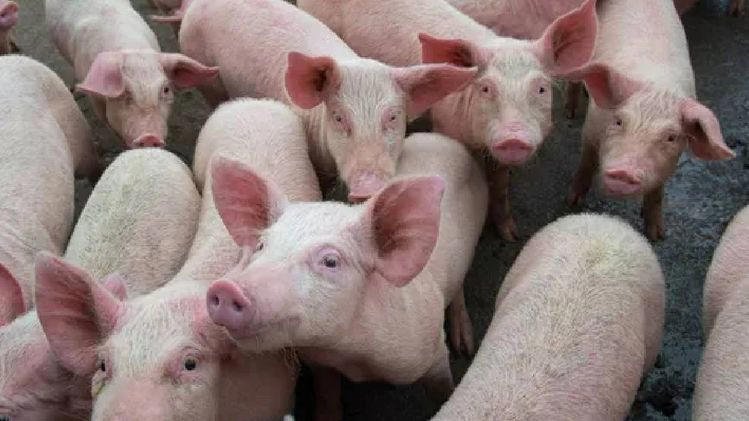
An outbreak of African Swine Fever in Nagaland has forced authorities to impose a ban on pig trade in Merapani, a border town between Nagaland and Assam. The decision aims to contain the spread of the virus, which poses a severe threat to pig farmers and the state’s economy. Local officials confirmed that immediate restrictions were necessary to protect livestock and prevent further escalation.
Read More: Railways reach Mizoram after 78 years, boosting connectivity
Ban to prevent the spread of infection
Veterinary and animal husbandry officials said the ban covers the movement, sale, and slaughter of pigs in Merapani and nearby areas. The order came after several pigs tested positive for African Swine Fever, sparking concern among farmers. The virus, although not harmful to humans, spreads quickly among pigs and often proves fatal.
Officials emphasized that urgent measures were essential to avoid a large-scale outbreak. They assured that strict monitoring would be maintained across the region. Local administrations in Wokha district have deployed teams to check farms and carry out inspections. Awareness campaigns are also being conducted to inform pig farmers about preventive steps.
Economic impact on pig farmers
Pig farming is a vital source of livelihood in Nagaland. Many families depend on it for daily income and food security. The outbreak and subsequent ban have caused anxiety among pig farmers in Merapani. Farmers fear heavy losses due to halted trade and restricted sales.
Local market vendors said the sudden restrictions disrupted the supply chain. Pigs from Merapani were usually sold in markets across Nagaland and parts of Assam. With the trade ban, the income of small-scale farmers and sellers has been hit directly. Authorities have urged farmers to remain patient as they work to bring the situation under control.
Measures to control the outbreak
Veterinary experts outlined several steps to limit the spread. Disinfection of pig sheds and proper disposal of infected carcasses have been made mandatory. Farmers have been advised to avoid feeding pigs with leftover food and to improve farm hygiene.
The Animal Husbandry Department also warned that the virus spreads through direct contact, contaminated water, and unhygienic handling practices. As a precaution, all gatherings for pig trade have been suspended. Veterinary staff are also conducting door-to-door checks in affected areas.
Local panchayats and community leaders are assisting officials in spreading awareness. They are urging farmers not to hide cases of pig deaths, as reporting remains the key to early containment.
Past outbreaks raise concern
This is not the first time Nagaland has faced an outbreak of African Swine Fever. In recent years, several northeastern states, including Assam and Mizoram, have reported similar cases. Thousands of pigs died in past outbreaks, leading to massive losses for farmers.
Experts said that the recurrence highlights the need for a long-term strategy. They called for better surveillance, improved veterinary support, and biosecurity measures in villages. The government is working closely with veterinary scientists to devise an action plan.
Cross-border monitoring at Assam-Nagaland border
Merapani lies along the Assam-Nagaland border, making it a busy trade point. Authorities in both states have decided to coordinate and increase monitoring. Assam’s Veterinary Department has already issued advisories to prevent the entry of pigs from Nagaland.
Checkpoints have been set up to stop the illegal transportation of pigs across state lines. Both states are exchanging information regularly to track possible spread. Officials believe joint action is the only way to contain the outbreak effectively.
People advised against panic buying
Amid the ban, consumers in nearby towns reported a rise in pork prices. Fears of shortage led to panic buying in some markets. However, authorities clarified that the ban is localized to Merapani and does not apply to the entire state.
They assured that pork supply from other regions remains unaffected. Citizens were advised not to panic, as the government is monitoring the situation closely. Officials added that safe pork from unaffected areas would continue to reach local markets.
Experts suggest preventive vaccination research
Although no vaccine currently exists for African Swine Fever, veterinary researchers have suggested that India should invest in developing one. They argued that repeated outbreaks across the Northeast highlight the urgent need for research.
Animal husbandry specialists stressed that long-term prevention requires more than temporary bans. They highlighted biosecurity measures such as regulated farm entry, regular disinfecting, and controlled pig imports from outside states.
Government urges cooperation
The Nagaland government appealed to pig farmers, traders, and consumers for cooperation. Authorities stressed that compliance with the ban would ensure faster containment of the virus. They also urged the public not to consume or trade pork from infected areas.
Community organizations in Wokha district have extended their support. Local youth groups and NGOs are helping veterinary teams spread awareness and implement safety rules. Officials said collective effort remains the only way to safeguard the pig population.
Looking ahead
The outbreak in Merapani has once again highlighted the vulnerability of pig farming in Nagaland. While the trade ban disrupts livelihoods temporarily, it remains a necessary step to protect long-term interests. Authorities hope that quick containment and public cooperation will prevent another large-scale loss.
Veterinary officials assured that the government would continue monitoring and support farmers once the situation improves. For now, the focus remains on breaking the chain of infection and ensuring food safety.
Read More: India’s First and Largest Bio-Refinery in Assam’s Golaghat