


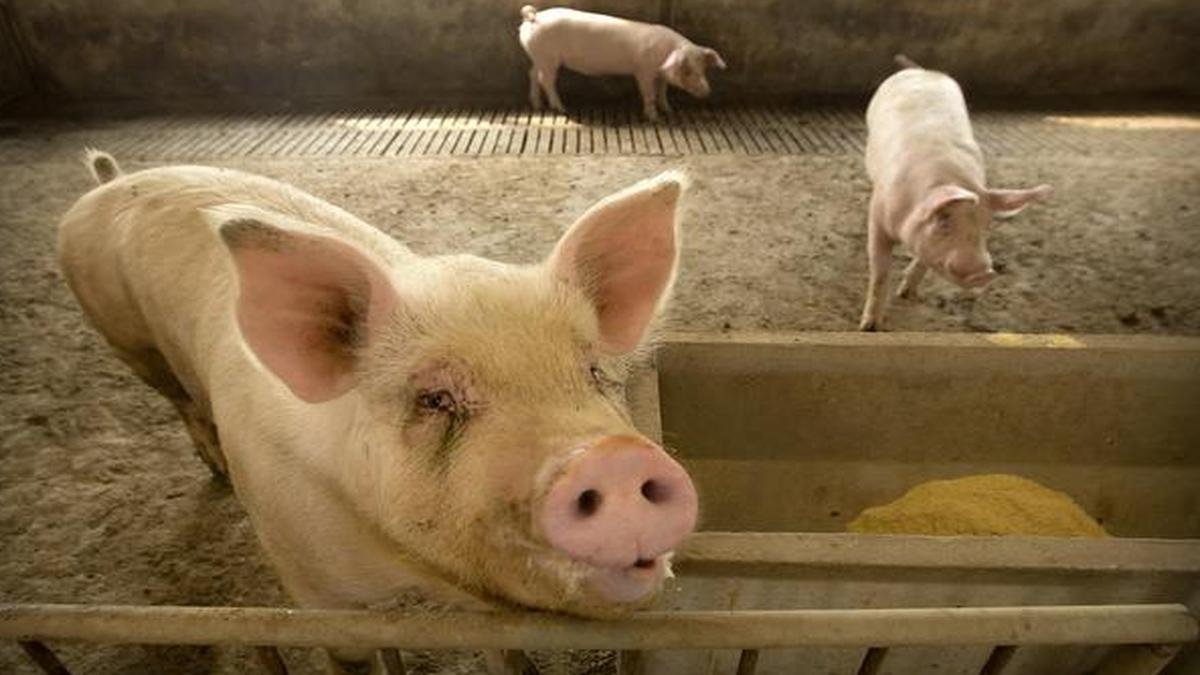
Authorities in Mizoram’s Mamit district arrested five individuals after officials intercepted 45 pigs allegedly smuggled from Assam into Aizawl. Subsequent testing confirmed that the animals had African Swine Fever (ASF), prompting authorities to initiate mandatory disease-control measures.
The incident has raised concerns about the risks associated with the illegal movement of livestock across state borders. Moreover, the confirmed infection has required authorities to take precautionary measures to prevent further transmission among pig populations.
The case highlights the importance of strict livestock movement controls during animal-disease outbreaks.
Engineering Quota Discrepancy: MZP Seeks Governor’s Intervention Over Seven Central Pool Seats
Five Arrested Over Illegal Pig Transportation
Authorities arrested five individuals in connection with the alleged illegal transportation of 45 pigs from Assam into Mizoram.
Officials intercepted the animals in Mamit district before they could continue through the state’s livestock supply chain. Furthermore, authorities treated the movement as a serious biosecurity concern after subsequent testing confirmed ASF.
The arrests have placed renewed attention on enforcement against unauthorised livestock transportation.
ASF Confirmed in Seized Pigs
Laboratory testing subsequently confirmed the presence of African Swine Fever among the seized pigs.
ASF is a highly contagious viral disease that affects domestic and wild pigs. However, it does not infect humans, although it can cause severe losses to pig populations.
The confirmation consequently triggered disease-control protocols.
Mandatory Culling Measures Initiated
Following confirmation of ASF, authorities moved to implement mandatory culling protocols.
Such measures aim to prevent infected animals from spreading the virus to other pigs. Additionally, authorities can impose movement restrictions and strengthen surveillance in affected areas as part of disease-control efforts.
The response focuses on containing the outbreak and protecting the wider livestock population.
Illegal Livestock Movement Raises Risks
Unauthorised transportation of pigs can increase the risk of introducing animal diseases into new areas.
Livestock may move across administrative boundaries without the health checks and documentation required by authorities. Moreover, infected animals can potentially expose other livestock during transportation, at markets, or at holding facilities.
The Mamit seizure therefore highlights the importance of enforcing livestock movement regulations.
Threat to Mizoram’s Pig Industry
Piggery represents an important livelihood activity for many households in Mizoram.
An ASF outbreak can cause significant economic losses for farmers because infected pig populations may require extensive disease-control measures. Furthermore, restrictions on animal movement and trade can affect farmers, traders, and other businesses connected to the pork supply chain.
Authorities therefore have strong incentives to contain the disease quickly.
Importance of Border Surveillance
Mizoram shares borders with several states and international territories, making livestock movement monitoring important.
Effective checkpoints can help authorities verify animal-health certificates and prevent unauthorised transportation. Additionally, stronger surveillance can allow officials to identify potentially infected animals before they enter wider markets.
The incident demonstrates why border and inter-district monitoring remains essential.
Protecting Farmers From Wider Outbreaks
Preventing further transmission can help protect farmers who depend on pig rearing.
Authorities may need to strengthen awareness among farmers and traders about livestock movement restrictions and disease symptoms. Moreover, reporting suspected infections quickly can help veterinary teams respond before the disease spreads further.
Community cooperation can therefore complement official disease-control measures.
ASF Does Not Affect Humans
African Swine Fever primarily affects domestic and wild pigs.
The disease does not pose a direct infection risk to humans. Nevertheless, it can cause serious economic consequences because outbreaks can lead to substantial pig losses and restrictions on livestock movement.
This distinction remains important when communicating about ASF to the public.
Enforcement and Disease Control
The arrests demonstrate the connection between law enforcement and veterinary disease control.
Authorities must address both the alleged illegal transportation and the potential spread of infection. Furthermore, coordinated action between police, veterinary officials, livestock departments, and local administrations can strengthen the overall response.
Such coordination becomes particularly important after a positive disease test.
What Happens Next?
Authorities are expected to continue disease-control measures following confirmation of ASF.
The affected animals will undergo the required culling and disposal procedures, while officials may increase surveillance around potentially exposed livestock. Additionally, authorities could investigate the circumstances surrounding the alleged illegal transportation.
The objective will remain preventing further transmission while enforcing livestock movement regulations.
Conclusion
The African Swine Fever seizure in Mamit district has highlighted the serious risks associated with unauthorised livestock movement after authorities arrested five individuals linked to the alleged smuggling of 45 pigs from Assam into Aizawl.
Moreover, confirmation of ASF in the seized animals triggered mandatory disease-control measures, including culling protocols. At the same time, stronger livestock surveillance, border checks, and farmer awareness can help reduce the risk of further transmission.
Overall, the incident underscores the importance of strict animal-movement controls in protecting Mizoram’s pig farmers and preventing wider ASF outbreaks.
FAQs
1. How many pigs were seized?
Authorities intercepted 45 pigs allegedly transported illegally from Assam into Mizoram.
2. How many people were arrested?
Five individuals were arrested in connection with the alleged illegal transportation.
3. What disease was detected?
Testing confirmed African Swine Fever (ASF) among the seized pigs.
4. Can African Swine Fever infect humans?
No. ASF does not infect humans, but it can severely affect domestic and wild pig populations.
5. Why was culling initiated?
Authorities initiated mandatory culling as part of disease-control measures intended to prevent ASF from spreading to other pigs.