


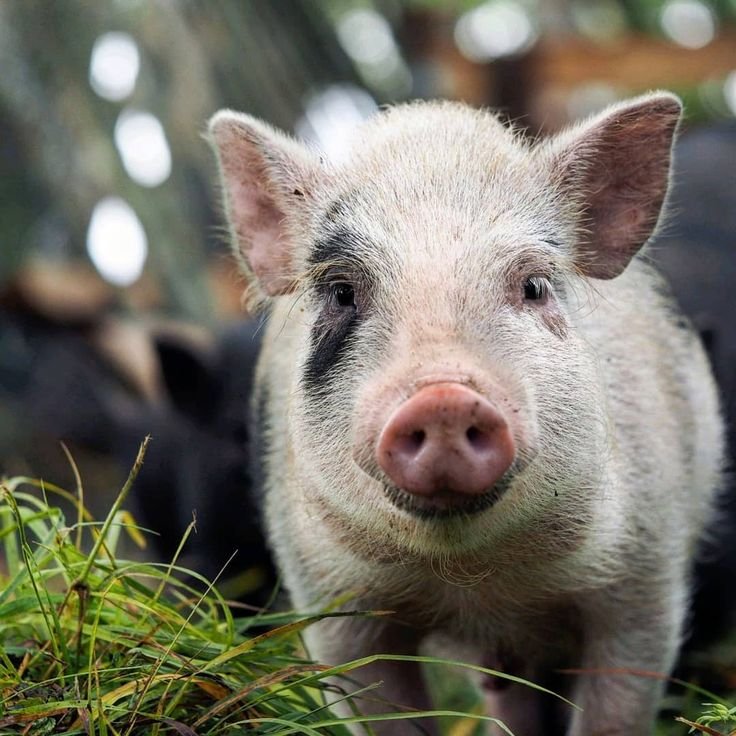
The detection of African Swine Fever in Tripura has raised alarm across the Northeastern state, prompting authorities to declare an epicenter and impose strict restrictions. The outbreak threatens not only the pig population but also the livelihoods of thousands of farmers who depend on pig farming for survival.
What is African Swine Fever?
African Swine Fever (ASF) is a highly contagious viral disease that affects domestic pigs and wild boars. With a mortality rate that can reach 100%, ASF has devastated pig populations worldwide. Although the virus does not infect humans, its impact on food security and rural economies is severe.
Since its spread across Asia in 2018, ASF has become a recurring threat in India’s Northeast, where pig farming is culturally significant and economically vital.
The Situation in Tripura
Authorities confirmed ASF cases in Sepahijala district, specifically at the government breeding farm in Devipur. Following the confirmation, the state government declared the area an epicenter of the outbreak.
To contain the disease, officials imposed restrictions that include:
- Ban on pig movement in and out of the epicenter.
- Culling of infected and exposed pigs to prevent transmission.
- Disinfection of farms and surrounding areas.
- Surveillance and monitoring in nearby districts.
These measures aim to stop the virus from spreading to other parts of Tripura and neighboring states.
Economic Impact of ASF in Tripura
Pig farming is a major source of income for rural households in Tripura. The outbreak of African Swine Fever in Tripura threatens to wipe out herds, leaving farmers without their primary livelihood.
Past outbreaks in Assam and Mizoram led to the deaths of thousands of pigs, causing losses worth crores of rupees. Tripura now faces similar risks, with farmers fearing financial ruin if the disease spreads further.
Government Response and Action Plans
The Tripura government has deployed rapid response teams to affected areas. Veterinary experts are working with the North Eastern Regional Disease Diagnostic Laboratory to test samples and monitor the situation.
Officials have urged farmers to report unusual pig deaths immediately and comply with restrictions. Awareness campaigns are being launched to educate communities about ASF prevention and biosecurity measures.
Regional Context: ASF in Northeast India
The Northeast has been particularly vulnerable to ASF outbreaks due to its high pig population and cross‑border trade. States like Assam, Mizoram, and Meghalaya have previously reported ASF cases, leading to mass culling and economic losses.
The recurrence of ASF highlights the need for stronger biosecurity measures and regional cooperation. Without coordinated action, the virus could continue to devastate pig farming across the region.
Why This Outbreak Matters
The African Swine Fever in Tripura is more than an animal health issue. It is a crisis that affects food security, rural incomes, and cultural traditions. Pork is a staple in many Northeastern diets, and pig farming supports thousands of families.
If ASF spreads unchecked, it could destabilize the rural economy and deepen poverty in affected areas.
The outbreak demands urgent action from all stakeholders:
- Farmers must follow biosecurity guidelines and report suspicious cases.
- Authorities should strengthen surveillance and provide compensation for losses.
- Researchers must accelerate efforts to develop an effective ASF vaccine.
- Citizens should support awareness campaigns and avoid panic buying or misinformation.
India cannot afford to ignore the threat of ASF. Protecting pig farming in Tripura is essential for safeguarding livelihoods and ensuring food security.
READ MORE: Tripura Student Killing in Dehradun: Tharoor Calls It Disgrace
The detection of African Swine Fever in Tripura is a wake‑up call. With the epicenter declared and restrictions imposed, the state is racing to contain the outbreak. Farmers, communities, and policymakers must work together to prevent further spread. This is not just about pigs—it is about protecting livelihoods, food security, and the resilience of rural India.