


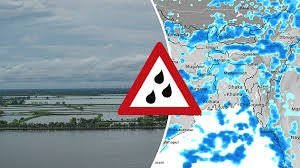
Meghalaya summer rainfall forecast indicates a warmer season with below-normal rainfall. IMD has issued concerns for agriculture and water resources. The prediction may impact farming and daily life. Authorities and residents now prepare for potential challenges ahead.
Strong Reaction Greater Tipraland Bangladesh Claim
Meghalaya Summer Rainfall Forecast Raises Concerns
Meghalaya forecast has raised concerns among residents and experts. The India Meteorological Department has predicted a warmer-than-usual summer. It has also indicated below-normal rainfall across the state.
Warm Wishes: Arunachal Good Friday Greetings
Moreover, this forecast could significantly affect agriculture and water availability. Authorities have started assessing possible impacts.
IMD Predicts Warmer Summer
IMD has clearly stated that temperatures in Meghalaya will remain above normal during the summer months. This increase in temperature may affect daily life and health conditions.
Furthermore, rising heat levels could strain water resources. People may need to adopt measures to cope with higher temperatures.
As a result, Meghalaya rainfall forecast has become a major point of discussion.
Below-Normal Rainfall Warning
Meghalaya summer rainfall forecast also highlights the risk of reduced rainfall. IMD has warned that precipitation levels may remain below the seasonal average.
In addition, lower rainfall can lead to water shortages in several areas. It may also impact irrigation and crop growth.
Therefore, the situation requires careful monitoring.
Impact on Agriculture Sector
Meghalaya summer rainfall forecast may create challenges for farmers. Agriculture in the region depends heavily on seasonal rainfall.
Moreover, below-normal rainfall can reduce crop yields and affect livelihoods. Farmers may need to adjust their practices to manage water resources efficiently.
As a result, the agriculture sector remains vulnerable.
Water Resource Management Becomes Crucial
Meghalaya summer rainfall forecast emphasizes the need for effective water management. Authorities must ensure proper storage and distribution of water.
Furthermore, communities may need to adopt conservation practices. Simple steps like reducing wastage can make a difference.
Therefore, proactive measures will help minimize the impact.
Climate Change and Weather Patterns
Meghalaya summer rainfall forecast reflects broader changes in climate patterns. Rising temperatures and irregular rainfall have become more common.
Moreover, experts link these changes to global climate trends. This situation highlights the need for sustainable environmental practices.
As a result, awareness and action remain essential.
Preparedness Measures for Residents
Residents can take several steps to prepare for the Meghalaya summer rainfall forecast. They should stay hydrated and avoid prolonged exposure to heat.
Additionally, they should use water wisely and follow local advisories. Farmers can explore alternative cropping methods to adapt to conditions.
Therefore, preparedness can reduce risks.
Government Response and Planning
Authorities have started planning for the potential challenges highlighted in the Meghalaya summer rainfall forecast. They may implement measures to support farmers and manage water resources.
Moreover, early action can prevent severe consequences. Government initiatives will play a crucial role in addressing the situation.
As a result, coordinated efforts remain important.
Conclusion
Meghalaya summer rainfall forecast signals a challenging season ahead with higher temperatures and reduced rainfall. The IMD warning highlights the need for preparedness and efficient resource management.
Moreover, both authorities and citizens must act responsibly to minimize the impact. Proactive measures will help ensure stability during the summer months.
FAQs
What does the IMD forecast for Meghalaya?
IMD predicts a warmer summer and below-normal rainfall in Meghalaya.
Why is this forecast important?
It affects agriculture, water availability, and daily life.
How will farmers be impacted?
Lower rainfall may reduce crop yields and affect farming activities.
What can residents do to prepare?
They can conserve water, stay hydrated, and follow advisories.
What role does climate change play?
Climate change contributes to rising temperatures and irregular rainfall patterns.