


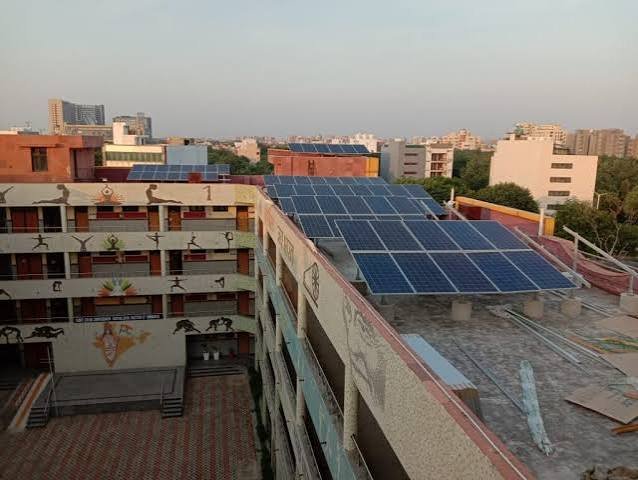
The Arunachal Green Energy Budget has emerged as a major policy development after the state Assembly reportedly passed a budget focused on expanding renewable energy and targeting 100% solar power for rural schools. The initiative aims to strengthen clean-energy adoption while improving electricity access in remote educational institutions.
Tripura Tribal Art: Digital Archive Launched to Preserve Traditional Risa Textile Weaves
The Arunachal Green Energy Budget places renewable energy at the centre of the state’s development priorities. Moreover, solar power can provide a reliable energy option for schools located in remote areas where conventional electricity infrastructure can face challenges.
The rural-school target could support classrooms that need dependable electricity for lighting, digital learning, communication, and other educational activities. Therefore, expanding solar infrastructure could contribute to both environmental goals and improvements in school facilities.
The budget also reflects a wider shift toward cleaner energy sources. Additionally, greater use of solar power could help reduce dependence on conventional energy sources while supporting Arunachal Pradesh’s long-term sustainability objectives.
Arunachal Green Energy Budget Prioritises Solar Schools
The Arunachal Green Energy Budget places rural schools among the key beneficiaries of the state’s renewable-energy push.
Moreover, solar installations can provide schools with access to electricity without requiring every location to depend entirely on conventional grid infrastructure. Consequently, remote institutions could gain greater energy resilience.
Reliable electricity can support several aspects of school operations. Furthermore, classrooms can use powered learning equipment, computers, internet infrastructure, and other educational resources more effectively when electricity remains available.
The 100% solar target also creates a clear policy objective for rural education infrastructure. Therefore, successful implementation will depend on identifying schools, installing suitable systems, and maintaining them over the long term.
Arunachal Green Energy Budget Supports Rural Development
The Arunachal Green Energy Budget could extend the benefits of renewable energy beyond environmental objectives.
Additionally, reliable electricity can improve the daily functioning of rural schools and create better conditions for students and teachers. Meanwhile, solar installations can help institutions manage energy requirements in areas where grid connectivity remains difficult.
The programme could also encourage greater awareness of renewable energy among students. As a result, schools can become practical examples of clean-energy adoption and environmental responsibility.
However, installing solar systems represents only the first stage. Therefore, authorities will need to ensure regular maintenance, equipment replacement, battery management where applicable, and technical support.
Arunachal Green Energy Budget Advances Sustainability
The Arunachal Green Energy Budget also highlights the state’s broader interest in expanding clean-energy infrastructure.
Moreover, Arunachal Pradesh has significant potential for renewable energy because of its geographical and natural resources. A stronger solar programme can complement other energy sources while diversifying the state’s power infrastructure.
Solar-powered schools can also reduce dependence on conventional electricity sources. Consequently, the initiative could contribute to lower emissions while improving access to modern educational facilities.
At the same time, authorities will need to consider the varied geographical conditions across rural Arunachal Pradesh. Furthermore, difficult terrain, transportation requirements, weather conditions, and equipment maintenance can influence project implementation.
Conclusion
The Arunachal Green Energy Budget marks a significant policy step after the state Assembly reportedly approved a green-energy-focused budget targeting 100% solar power for rural schools.
Furthermore, the initiative could improve electricity access, strengthen rural education infrastructure, and promote renewable-energy adoption across remote communities. Effective implementation will require careful planning, reliable equipment, technical support, and long-term maintenance.
Overall, the Arunachal Green Energy Budget combines clean-energy goals with rural education priorities and could make solar-powered schools an important part of Arunachal Pradesh’s sustainable development strategy.
FAQs
1. What is the Arunachal Green Energy Budget?
The Arunachal Green Energy Budget refers to the state budget’s reported focus on renewable energy, including a target to provide solar power to rural schools.
2. What is the solarisation target for rural schools?
The reported target is to provide 100% solar power coverage to rural schools.
3. How can solar power benefit rural schools?
Solar power can provide reliable electricity for lighting, digital learning equipment, computers, communication systems, and other school facilities.
4. What challenges could affect implementation?
Remote locations, difficult terrain, equipment transportation, maintenance, weather conditions, and technical support can influence the rollout of solar systems.
5. Why is the initiative environmentally significant?
Greater use of solar energy can reduce dependence on conventional energy sources and support the wider adoption of cleaner energy infrastructure.