


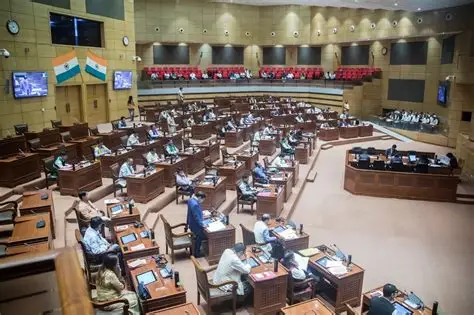
The legislative assembly of Arunachal Pradesh has passed a new bill aimed at regulating the transfer of teachers in government schools. The legislation seeks to introduce a transparent and systematic process for teacher postings and transfers across the state.
Lawmakers stated that the new bill was introduced to address long-standing concerns regarding uneven distribution of teachers, particularly between urban and remote areas. By creating clear guidelines and procedures, the government hopes to ensure that schools in rural and difficult regions receive adequate teaching staff.
Education officials believe the legislation will help improve administrative efficiency while strengthening the overall quality of education in Arunachal Pradesh.
Read More: LPG Shortage Forces Hostels to Switch from Rotis to Rice
Objective of the Teachers’ Transfer Bill
The newly passed bill focuses on establishing a structured policy for transferring teachers within the state’s education system. According to government representatives, the legislation aims to remove inconsistencies and promote fairness in teacher postings.
For many years, concerns had been raised about the concentration of teachers in certain urban locations while several rural schools faced shortages. Therefore, the government introduced the bill to ensure that teachers are distributed more evenly across districts.
The legislation also intends to reduce arbitrary transfers and ensure that decisions are based on defined criteria. As a result, the process is expected to become more transparent and predictable for teachers and administrators alike.
Improving Teacher Distribution in Remote Areas
One of the major challenges faced by the education sector in Arunachal Pradesh is the shortage of teachers in remote and mountainous regions. Many schools located in interior areas struggle to maintain adequate teaching staff.
Under the new bill, authorities aim to ensure that teachers serve in different regions of the state as part of their career progression. This approach is expected to strengthen educational services in rural areas where access to quality education remains limited.
Officials have emphasized that balanced distribution of teachers will improve learning opportunities for students across the state. Schools in remote districts will benefit from having a stable and qualified teaching workforce.
Ensuring Transparency in Transfer Procedures
Another key objective of the legislation is to bring transparency to the transfer process. In the past, teachers and administrators often expressed concerns about the lack of clarity regarding transfer decisions.
The new bill proposes clear guidelines and procedures for determining when and where teachers can be transferred. By establishing defined rules, the government aims to reduce disputes and ensure fairness.
Authorities also believe that a transparent system will boost morale among teachers. When transfer decisions follow standardized criteria, teachers are more likely to trust the administrative process.
Government’s Commitment to Education Reform
The passage of the bill reflects the Arunachal Pradesh government’s broader commitment to improving the education sector. Over the past few years, the state administration has introduced several initiatives aimed at strengthening educational infrastructure and services.
Improving teacher management remains a crucial component of these reforms. By regulating transfers and postings, the government hopes to create a more effective education system capable of addressing regional disparities.
Education experts note that teacher availability plays a vital role in improving student performance and educational outcomes. Therefore, policies that ensure equitable distribution of teachers can significantly benefit the education system.
Reaction from Education Stakeholders
The bill has drawn attention from teachers, education administrators, and policymakers across the state. Many stakeholders believe that a structured transfer policy could help address some of the challenges faced by the education sector.
Teachers have long expressed concerns about uncertainty in transfer procedures. With the introduction of clear rules, many expect that the process will become more predictable and transparent.
At the same time, some educators have emphasized the importance of implementing the policy carefully to ensure that teachers posted in remote areas receive adequate support and facilities.
Implementation and Administrative Measures
Following the passage of the bill, the state government is expected to develop detailed rules and administrative guidelines to implement the policy effectively. These guidelines will outline the procedures, timelines, and criteria for teacher transfers.
Education department officials will likely play a key role in managing the process and ensuring that transfers align with the objectives of the legislation.
Authorities have also indicated that the implementation process will involve consultations with educational institutions and administrative bodies to ensure smooth execution.
Impact on the Education System
The new legislation is expected to bring long-term improvements to the education system in Arunachal Pradesh. By addressing teacher shortages in certain areas and ensuring fair transfer policies, the bill aims to strengthen the overall functioning of schools.
Students in remote regions may benefit from better access to qualified teachers, which could improve learning outcomes and educational opportunities.
Furthermore, the policy may encourage greater accountability within the education administration by ensuring that staffing decisions follow transparent guidelines.
Conclusion
The Arunachal Pradesh Assembly’s decision to pass a bill regulating teachers’ transfers marks an important step toward improving the state’s education system. By establishing a structured and transparent transfer policy, the government aims to ensure fair distribution of teachers and address long-standing staffing challenges.
As the policy moves toward implementation, its success will depend on effective administration and continued support for teachers working in remote areas. If executed well, the legislation could significantly strengthen educational access and quality across Arunachal Pradesh.
Read More: 2028 Tripura CM Will Be From Indigenous Community: Pradyot Debbarma