


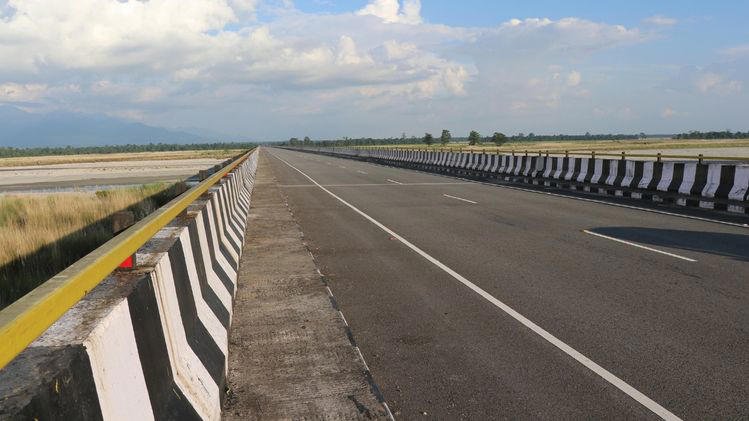
Dibang Valley roadside camping ban has been enforced by authorities in Arunachal Pradesh, prohibiting roadside camping and picnicking along highways in the district. The decision aims to enhance public safety, protect the fragile environment, and regulate tourist activities in the region.
Officials stated that the move comes in response to increasing instances of unregulated roadside activities, which have raised concerns regarding safety hazards and environmental degradation.
Read More: Tripura Budget 2026–27 Rs 34,212 Crore Deficit, No New Taxes
Authorities Enforce New Restrictions
The administration of Dibang Valley has issued clear directives banning camping and picnicking along highways. The order applies to both tourists and local residents, ensuring that all forms of roadside recreational activities are restricted.
Authorities have emphasized that the ban is necessary to maintain order and prevent accidents. Highways in the region often pass through narrow and sensitive terrains, making roadside gatherings potentially dangerous.
Moreover, enforcement teams have been instructed to monitor compliance and take action against violations.
Safety Concerns Behind the Decision
One of the primary reasons for the Dibang Valley roadside camping ban is public safety. Roadside camping and picnicking can obstruct traffic and increase the risk of accidents, especially in hilly areas with sharp turns and limited visibility.
Officials noted that parked vehicles and gatherings along highways create hazards for both travelers and participants. Emergency situations can also become more difficult to manage in such conditions.
By restricting these activities, the administration aims to ensure safer travel for all.
Protecting the Fragile Environment
Dibang Valley is known for its pristine natural environment, which requires careful protection. Unregulated camping and picnicking have led to issues such as littering, pollution, and damage to local ecosystems.
The ban is intended to minimize environmental impact and preserve the region’s biodiversity. Authorities have stressed that sustainable tourism practices are essential for maintaining the ecological balance.
Additionally, efforts will be made to promote responsible tourism among visitors.
Impact on Tourism Activities
The new restrictions are expected to influence tourism patterns in Dibang Valley. While roadside camping and picnicking are no longer allowed, tourists are encouraged to use designated areas for such activities.
Officials have clarified that the ban is not intended to discourage tourism but to regulate it. By guiding visitors toward safer and more sustainable options, the administration aims to enhance the overall tourism experience.
Local businesses may also adapt by offering organized camping facilities and guided tours.
Role of Local Administration
The local administration has played a key role in implementing the Dibang Valley roadside camping ban. Authorities have conducted awareness campaigns to inform residents and tourists about the new rules.
Signage has been installed along highways to communicate the restrictions clearly. In addition, coordination with law enforcement agencies ensures effective monitoring.
The administration has urged cooperation from the public to ensure the success of the initiative.
Encouraging Responsible Tourism
The ban highlights the importance of responsible tourism practices. Visitors are encouraged to respect local regulations, avoid littering, and choose designated areas for recreational activities.
Educational initiatives may also be introduced to raise awareness about environmental conservation. These efforts aim to create a culture of sustainability among tourists.
By promoting responsible behavior, Dibang Valley can continue to attract visitors while preserving its natural beauty.
Challenges in Implementation
Implementing the ban may present certain challenges, including ensuring compliance and managing public perception. Some tourists may initially find the restrictions inconvenient.
However, authorities believe that clear communication and consistent enforcement will help address these challenges. Over time, the benefits of improved safety and environmental protection are expected to outweigh any inconvenience.
The administration remains committed to monitoring the situation and making adjustments if necessary.
Broader Implications for Policy
The Dibang Valley roadside camping ban could serve as a model for other regions facing similar issues. It highlights the need for proactive measures to balance tourism with safety and environmental concerns.
Policymakers may consider adopting similar approaches in other ecologically sensitive areas. Such measures can help ensure sustainable development and long-term preservation of natural resources.
The initiative reflects a growing emphasis on responsible governance in tourism management.
Conclusion
The Dibang Valley roadside camping ban marks a significant step toward ensuring safety and protecting the environment in Arunachal Pradesh. By prohibiting roadside camping and picnicking along highways, authorities aim to address key challenges associated with unregulated tourism.
While the restrictions may require adjustments from tourists and residents, they are essential for maintaining the region’s ecological and safety standards. As awareness grows and compliance improves, the initiative is expected to contribute to a more sustainable and secure tourism environment in Dibang Valley.
Read More: PM Modi Attacks Congress From Assam Over Growth