


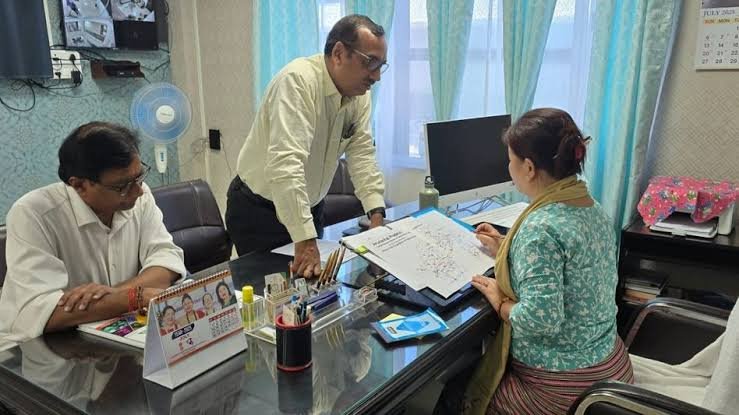
Arunachal Pradesh continues to pursue digital governance initiatives to improve public service delivery across its remote and border regions. The state’s challenging terrain and scattered settlements make access to administrative services difficult for many residents. Digital platforms, online applications and connected administrative offices can help reduce travel and simplify routine procedures. However, an official approval to convert 50 remote administrative circles into smart e-governance hubs could not be independently confirmed. Existing government programmes provide a documented picture of the state’s broader digital transformation efforts.
TTAADC Postpones Executive Members’ Oath Ceremony
Digital Access Remains a Priority for Remote Circles
Arunachal Pradesh’s mountainous geography creates significant challenges for public administration. Many villages lie far from district headquarters and major government offices.
Residents often travel long distances to submit applications, obtain certificates and access essential government services. Poor connectivity and difficult road conditions can further complicate these visits.
Digital governance offers one way to reduce these difficulties. Online applications, electronic records and connected service centres can bring selected government facilities closer to local communities.
The state has already introduced several initiatives to strengthen digital access. These include administrative connectivity, online service platforms and technology-based office management.
Such infrastructure can support faster communication between circle offices, district administrations and state departments.
Community Information Centres Established in 56 Block Headquarters
The National Informatics Centre has played an important role in Arunachal Pradesh’s digital development.
According to NIC, the state established Community Information Centres in 56 block headquarters through VSAT connectivity. These centres helped introduce information and communication technology into grassroots administration.
The initiative provided an early foundation for digital access in areas with limited connectivity.
NIC also developed Jan-Suvidha, a single-window service delivery mechanism. The platform operated through Deputy Commissioner and Additional Deputy Commissioner offices.
It aimed to simplify access to government services through a more organised administrative channel.
These earlier initiatives demonstrate the state’s long-standing efforts to extend digital services beyond the capital.
NIC Supports Digital Administration Across Districts
The National Informatics Centre provides technical support for several government applications in Arunachal Pradesh.
Its state-level projects include e-Office, e-District, TreasuryNet, e-Ticketing and e-Procurement. Other platforms include e-Courts, e-Counselling, e-Abkari and the public grievance system.
These applications support different administrative functions. For example, e-Office enables electronic file movement, while e-District supports digital public services.
NIC has also established district centres in government administrative offices. These facilities help departments access technical support and maintain digital systems.
The state’s network infrastructure includes NICNET and the National Knowledge Network. A high-speed connectivity backbone supports government offices and institutions.
However, connectivity and software access alone cannot guarantee effective service delivery. Departments must also maintain equipment, train staff and provide assistance to residents.
State Government Promotes Integrated E-Governance
The Arunachal Pradesh Department of Information Technology and Communication coordinates the state’s e-governance programmes.
The State Council for IT and e-Governance provides direction and programme management for digital initiatives. It also works on standardisation and coordination between departments.
This structure supports the implementation of common digital infrastructure and government applications.
The state has also pursued digital connectivity for administrative headquarters. Earlier government planning documents included connectivity expansion, online services and electronic monitoring among their priorities.
These initiatives aim to reduce paperwork and improve communication between administrative levels.
Furthermore, digital platforms can help officials monitor applications and track pending work. They can also improve record management and support more transparent procedures.
CM e-Seva and Online Public Services
Arunachal Pradesh has developed digital platforms to provide government services through online channels.
The CM e-Seva portal serves as a digital access point for citizen-facing services. Its listed features include online applications, application-status tracking and digital certificate delivery.
Such platforms can reduce the need for repeated visits to government offices.
Residents with suitable internet access can use online services to submit applications and follow their progress. Service centres can also assist people who lack personal devices or digital skills.
The state has an opportunity to connect these platforms more closely with local administrative offices.
Better integration could help circle-level officials guide residents through applications and resolve service-related difficulties.
However, the availability of individual services depends on departmental integration and the operational status of the relevant platforms.
Digital Connectivity and Staff Training Remain Essential
Remote administrative offices need reliable internet connections to deliver digital services consistently.
Unstable networks can interrupt applications, delay document uploads and affect communication with district offices. Therefore, connectivity remains a basic requirement for any smart governance programme.
Staff training is equally important. Officials must understand digital records, online applications and electronic verification procedures.
Administrative offices also need computers, scanners, secure networks and technical support. Regular maintenance can prevent service interruptions.
Moreover, residents require guidance to use online platforms. Local assistance desks and digital literacy programmes can help bridge the gap.
The government must also protect personal information stored in digital systems. Secure authentication, access controls and proper data management are important parts of responsible e-governance.
Digital Administration Can Improve Citizen Services
Digital platforms can support several routine administrative services. These may include certificates, applications, revenue records and grievance submissions, depending on departmental integration.
A connected circle office can also communicate more efficiently with district authorities. This may help reduce delays caused by physical paperwork and repeated document transfers.
Furthermore, electronic records can make it easier to track applications and identify pending cases.
For residents in remote villages, local digital access points could reduce the need to travel to distant administrative centres.
Nevertheless, digital services should complement physical assistance rather than replace it entirely. Residents without reliable internet access must retain accessible ways to obtain government support.
Conclusion
Arunachal Pradesh has already established a foundation for digital governance through Community Information Centres, NIC-supported applications and online public service platforms. Its efforts aim to improve administrative access across a geographically challenging state.
However, the reported approval to convert 50 remote administrative circles into smart e-governance hubs remains unverified. The government would need to confirm the number of locations, project funding, infrastructure plans and implementation timeline.
Reliable connectivity, trained staff, secure digital systems and citizen assistance will remain essential for expanding e-governance across remote communities.
FAQs
1. Has Arunachal Pradesh approved 50 smart e-governance hubs?
An official approval covering 50 remote administrative circles could not be independently confirmed.
2. What digital infrastructure has Arunachal Pradesh established?
NIC reports that the state established Community Information Centres in 56 block headquarters through VSAT connectivity.
3. Which organisation supports digital governance in Arunachal Pradesh?
The National Informatics Centre provides technical support for several state and central e-governance applications.
4. What is the CM e-Seva portal?
It is a government digital platform that provides access to online applications, service tracking and digital certificate delivery.
5. What services can digital administrative offices support?
Depending on departmental integration, they can assist with certificates, applications, revenue records and grievance submissions.
6. Why is digital connectivity important in remote areas?
Reliable internet access helps residents and officials use online services, exchange records and communicate with higher administrative offices.