


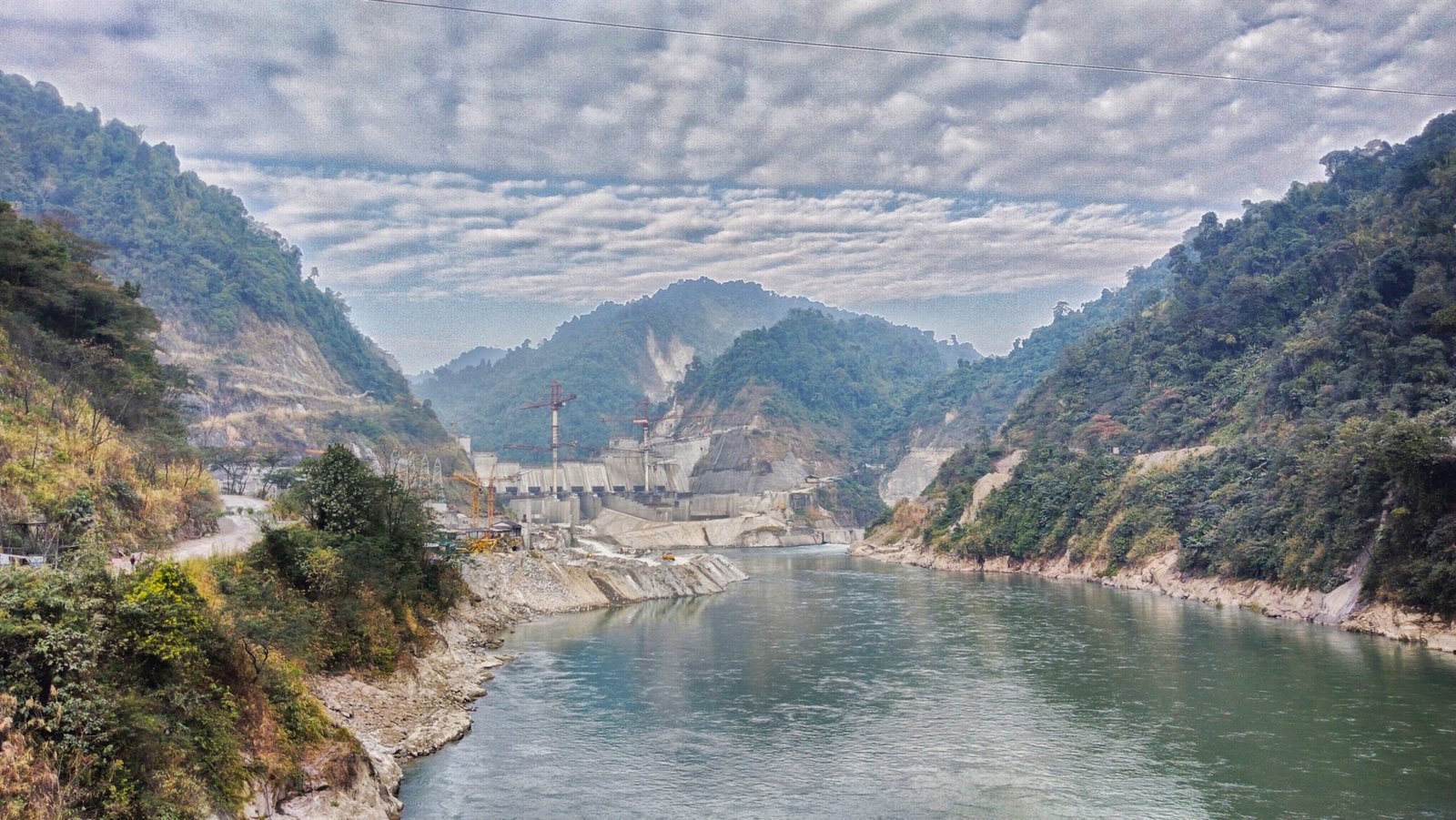
Arunachal river basin hydropower development gained major momentum after authorities granted environmental clearance for a large-scale energy project planned within a strategically important river basin region of Arunachal Pradesh. Meanwhile, government officials and energy planners stated that the approval marks a significant step toward expanding renewable electricity generation and strengthening long-term infrastructure capacity across Northeast India. The announcement immediately triggered discussion among policymakers, environmental groups, and infrastructure experts because hydropower remains one of the region’s most economically and strategically significant sectors. Additionally, administrative agencies reportedly accelerated coordination regarding project implementation, regulatory compliance, and future construction planning.
The development emerged as India continues prioritizing renewable energy expansion and infrastructure modernization across resource-rich northeastern states. Furthermore, power sector analysts observed that Arunachal Pradesh possesses substantial untapped hydropower potential because of its mountainous terrain and extensive river systems.
Shillong Traffic Plan Introduces New One-Way System
Manipur Solar Expansion Marks Major Energy Shift
Environmental Clearance Marks Major Policy Milestone
Authorities formally approved environmental clearance for the proposed hydropower initiative after regulatory assessment procedures and technical reviews. Arunachal river basin hydropower discussions therefore rapidly intensified across energy and development sectors.
Meanwhile, officials explained that the project aims to strengthen electricity generation capacity while supporting regional infrastructure and long-term energy security objectives. Additionally, planners indicated that environmental safeguards and mitigation measures formed part of the approval framework linked to the project.
Energy department representatives emphasized that hydropower remains an important component of India’s renewable energy strategy because of its ability to provide large-scale electricity generation. Furthermore, authorities reportedly initiated further coordination regarding construction planning, investment management, and operational logistics.
Earlier, policymakers repeatedly identified Arunachal Pradesh as a critical region for future hydropower expansion because of its extensive river networks and high generation potential. Consequently, the latest clearance generated strong attention within national infrastructure discussions.
At the same time, environmental observers stressed the importance of maintaining ecological balance during future implementation phases.
Hydropower Seen as Strategic Energy Resource
Hydroelectric infrastructure continues holding major strategic importance for India’s long-term energy planning framework. Arunachal river basin hydropower investment therefore carries significance beyond regional electricity generation alone.
Meanwhile, energy analysts observed that renewable hydropower systems may help reduce dependence on fossil fuels while improving electricity availability for industrial and urban expansion. Additionally, large hydroelectric projects often support grid stability and long-term energy diversification strategies.
Several infrastructure experts noted that northeastern states possess major renewable energy potential because of abundant water resources and mountainous geography. Furthermore, hydropower expansion increasingly gained policy focus amid rising national electricity demand and sustainability commitments.
Economic researchers also emphasized that stronger power infrastructure may improve industrial investment, digital connectivity, and broader economic development across remote regions. Consequently, hydropower projects remained central to discussions surrounding Northeast India’s modernization efforts.
However, sustainability specialists continued raising concerns regarding ecological impact and long-term environmental management.
Environmental Concerns Continue Drawing Attention
Environmental groups and ecological researchers closely monitored the project following the clearance announcement. Arunachal river basin hydropower expansion therefore also generated debate regarding biodiversity protection and ecosystem sustainability.
Meanwhile, conservation experts warned that large infrastructure projects within ecologically sensitive mountain regions may affect river systems, forest habitats, and local biodiversity. Additionally, environmental organizations encouraged authorities to ensure strict compliance with mitigation measures and environmental monitoring requirements.
Climate researchers observed that Himalayan ecosystems remain highly fragile because of geological sensitivity, changing weather patterns, and rich biodiversity concentration. Furthermore, river basin projects often require careful planning involving watershed management and ecological preservation strategies.
Several environmental policy specialists highlighted the importance of balancing renewable energy growth with sustainable conservation practices. Consequently, ecological safeguards became a major focus within broader hydropower policy discussions.
At the same time, project supporters argued that cleaner energy systems remain essential for reducing long-term carbon emissions and fossil fuel dependency.
Economic and Employment Expectations Increase
Authorities indicated that the approved hydropower project may generate substantial economic and employment opportunities during both construction and operational phases. Arunachal river basin hydropower development therefore attracted attention from business groups and workforce organizations.
Meanwhile, officials stated that infrastructure construction may create jobs involving engineering, transportation, logistics, and technical services across nearby districts. Additionally, local businesses and suppliers could benefit from increased economic activity linked to project implementation.
Development economists observed that large infrastructure investments frequently stimulate secondary growth involving housing, services, transport, and regional commerce. Furthermore, improved electricity generation capacity may encourage future industrial and commercial investment in surrounding areas.
Several policy analysts noted that remote regions often experience stronger economic integration following major infrastructure development projects. Consequently, expectations increased regarding broader socioeconomic benefits connected with the hydropower initiative.
However, local organizations emphasized the importance of ensuring fair rehabilitation measures and community participation during future implementation stages.
River Basin Development Raises Strategic Significance
The project also highlighted the broader strategic importance of river basin infrastructure within Arunachal Pradesh. Arunachal river basin hydropower planning therefore gained attention within national energy and geopolitical discussions.
Meanwhile, strategic affairs experts explained that northeastern river systems hold major significance for water management, regional development, and long-term infrastructure planning. Additionally, integrated basin development may strengthen transportation, connectivity, and economic coordination across frontier regions.
Infrastructure planners observed that hydropower projects frequently influence future investment involving roads, bridges, and transmission systems within mountainous areas. Furthermore, reliable energy supply remains essential for strengthening regional resilience and modernization capacity.
Several geopolitical analysts also emphasized that infrastructure expansion in border states increasingly carries strategic importance because of regional connectivity and national development priorities. Consequently, hydropower investment remained closely linked with wider infrastructure planning frameworks.
At the same time, experts stressed that sustainable governance and transparent regulatory oversight would remain critical for long-term project success.
Authorities Focus on Compliance and Future Planning
Government departments reportedly intensified planning related to compliance monitoring and project execution following the environmental approval. Arunachal river basin hydropower implementation therefore entered an important preparatory stage involving multiple agencies.
Meanwhile, officials indicated that environmental monitoring systems, technical studies, and regulatory coordination would continue during subsequent project phases. Additionally, authorities emphasized adherence to legal and environmental standards throughout future construction activity.
Infrastructure governance experts observed that large hydroelectric projects require continuous oversight because of engineering complexity and ecological sensitivity. Furthermore, transparent communication and stakeholder engagement frequently improve public confidence during long-term infrastructure development.
Several energy policy researchers highlighted the importance of balancing rapid execution with environmental accountability and community welfare considerations. Consequently, administrative coordination remained a major factor influencing future project progress.
At the same time, residents and observers across the region continued closely tracking upcoming implementation announcements.
Conclusion
Arunachal river basin hydropower expansion gained significant momentum after authorities granted environmental clearance for a major renewable energy project in Arunachal Pradesh. Meanwhile, officials highlighted the project’s potential role in strengthening electricity generation, infrastructure development, and long-term energy security across Northeast India. Environmental experts continued emphasizing the importance of ecological safeguards and sustainable river basin management during future implementation stages. Ultimately, observers believe the project may become a major milestone within India’s broader renewable energy and infrastructure modernization strategy.
FAQs
What approval did the Arunachal hydropower project receive?
Authorities granted environmental clearance for a major river basin hydropower initiative.
Why is the project important?
The project may strengthen renewable electricity generation and regional infrastructure capacity.
Why does Arunachal Pradesh attract hydropower investment?
The state has extensive river systems and strong hydroelectric generation potential.
Are environmental concerns being discussed?
Yes, experts raised concerns regarding biodiversity, river ecosystems, and ecological sustainability.
Could the project create employment opportunities?
Construction and operational phases may generate jobs in engineering, logistics, and technical services.
Why is hydropower strategically significant?
Hydropower supports renewable energy goals, grid stability, and long-term energy security.