


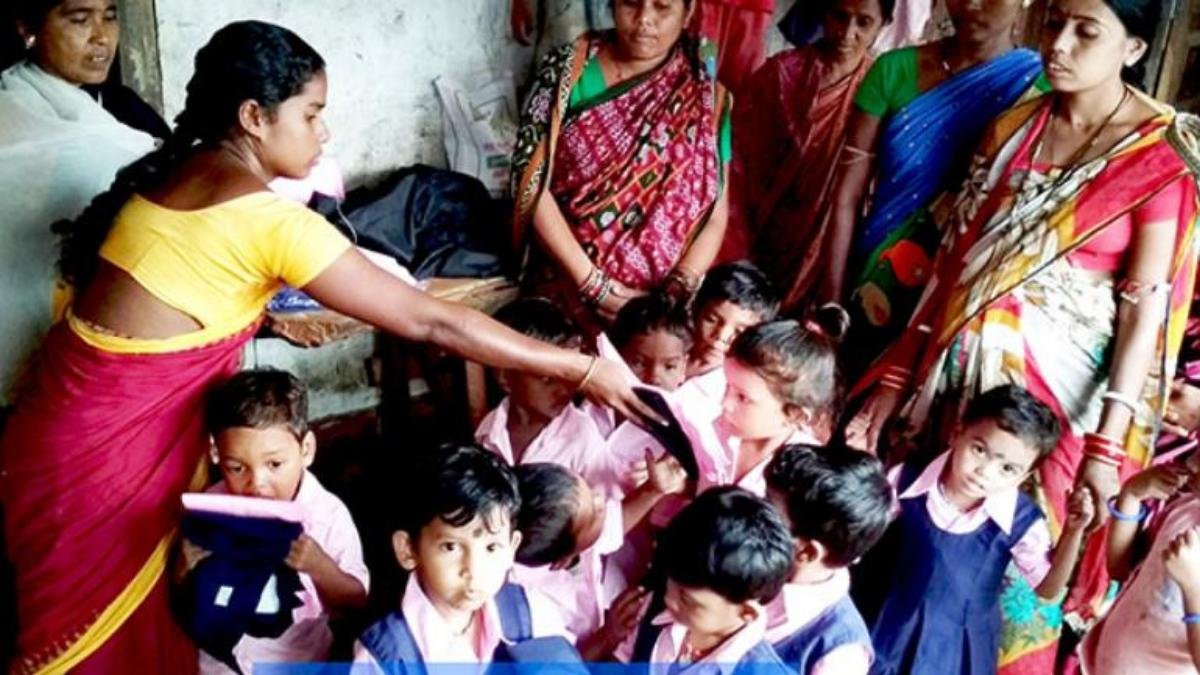
In Assam’s Kaliabor subdivision, several Anganwadi centers remain half-built despite Rs 25 lakh being sanctioned under the Integrated Child Development Scheme (ICDS). The stalled projects have raised serious concerns about the implementation of government welfare initiatives in rural areas.
The ICDS program was designed to provide early childhood care, education, and nutrition for children aged 0–6 years. However, in Kaliabor, incomplete buildings are now symbols of neglect, leaving children and families without the facilities promised to them.
ICDS: A Key Welfare Program Under Scrutiny
The ICDS is one of India’s largest community-based outreach programs. It aims to fight child malnutrition, improve maternal health, and raise awareness about hygiene and early education.
Anganwadi centers are the backbone of this mission, serving as hubs for nutrition distribution, immunization drives, and learning. In Kaliabor, however, villagers report that construction has been stalled for months. Materials lie unused, and half-finished structures stand abandoned.
Residents fear the delay will affect not only the health and education of local children but also the trust between the government and the communities it serves.
Locals Question Accountability
Residents of Kaliabor have expressed frustration over the lack of progress despite funds being allocated. Many claim that promises of better infrastructure and child welfare services have gone unfulfilled.
Community members say that women and children are most affected, as Anganwadi centers also provide a space for maternal health services and nutrition programs. Without proper facilities, access to these services has become inconsistent, putting vulnerable families at risk.
Government’s Investment Falls Short
According to local sources, Rs 25 lakh was sanctioned specifically for the development of multiple Anganwadi projects in Kaliabor. Despite the financial allocation, construction work has either slowed to a crawl or stopped entirely.
Residents have called for greater transparency in fund usage and stricter monitoring by local administration. The incomplete centers are not only a waste of resources but also a roadblock in achieving child development goals under ICDS.
Assam’s Ongoing Development Challenges
Assam has made strides in education, health, and infrastructure over the past decade, but rural projects like these highlight persistent challenges. Many welfare schemes struggle due to delays in implementation, corruption allegations, and lack of coordination between government agencies.
In Kaliabor, these problems are felt deeply, as families depend heavily on government support for their children’s early development. Experts say neglecting early childhood care could have long-term social and economic consequences.
Demand for Action and Transparency
Local organizations and community leaders are urging both the state and central governments to address the issue quickly. They demand immediate investigation into the stalled projects and accountability for the funds already released.
Activists argue that Anganwadi centers are not just buildings but lifelines for rural families. They provide meals, pre-school education, health check-ups, and parental guidance. Delays in completing these projects could severely undermine Assam’s efforts to combat malnutrition and drop-out rates among young children.
ICDS and Assam’s Future
The ICDS was launched to create an inclusive and supportive environment for children and mothers, especially in rural and underprivileged areas. With nearly 13 lakh Anganwadi centers across India, the program has been crucial in improving child health indicators.
However, the situation in Kaliabor reveals gaps in execution. Experts believe stronger monitoring systems, community involvement, and third-party audits could ensure funds are used effectively.
Community Voices Highlight Urgency
Villagers in Kaliabor are now taking their concerns to local authorities, hoping for quick resolution. Many say that despite repeated complaints, little has been done to resume work. Parents remain worried that their children will miss out on crucial developmental support during their formative years.
The state government has promised to look into the issue, but skepticism remains high among locals who feel abandoned by promises of rural development.
A Call for Policy Reinforcement
The plight of Kaliabor’s Anganwadi projects is a reminder that successful welfare initiatives require more than financial allocation. Timely execution, regular audits, and community engagement are essential to ensure that programs like ICDS meet their objectives.
Experts stress that early childhood care is critical to breaking cycles of poverty and malnutrition. If projects continue to stall, the long-term damage to Assam’s rural communities could be severe.
Turning Promises Into Progress
The abandoned Anganwadi centers in Kaliabor have become symbols of failed implementation, despite significant government investment. With Rs 25 lakh sanctioned and little to show for it, calls for accountability are growing louder.
To restore faith in ICDS and other welfare schemes, Assam must prioritize completing these projects. The future of rural children depends on reliable access to education, nutrition, and health services. Swift action is needed to turn these half-built structures into beacons of progress.
Keep an eye on more such news here: 7 Protein-Packed Lunch Ideas for a Healthy Week