


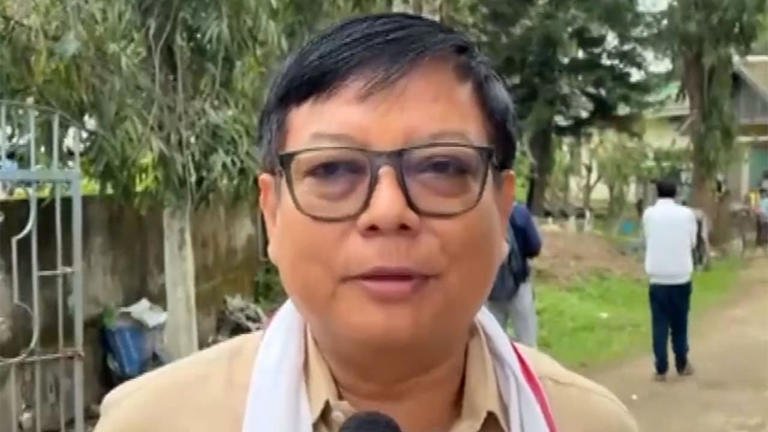
Senior Congress leader and Leader of Opposition in the Assam Assembly, Debabrata Saikia, cast his vote in the ongoing elections and raised concerns over the alleged presence of “outsiders” influencing the electoral process. His remarks have sparked a fresh political debate in Assam, with parties responding sharply to the claims.
After exercising his franchise, Saikia expressed apprehension about what he described as the involvement of individuals from outside the state in election-related activities. He urged authorities to ensure strict monitoring to maintain the integrity of the voting process.
Read More: Assam Voting 2026: What to Expect, Stakes and Result Updates
Concern Over ‘Outsider’ Influence
Debabrata Saikia’s statement centered on the issue of alleged outsider influence, which he claimed could impact the fairness of elections. According to him, there have been reports of people from outside Assam participating in campaign activities and possibly attempting to sway voters.
He emphasized that elections should reflect the will of the local population and not be affected by external factors. Saikia called upon the Election Commission and law enforcement agencies to take necessary measures to address these concerns.
The Congress leader also highlighted the importance of transparency and vigilance during elections, noting that even minor irregularities could undermine public confidence in the democratic process.
Political Reactions Pour In
The remarks by Debabrata Saikia drew swift reactions from the Bharatiya Janata Party and other political stakeholders. BJP leaders dismissed the claims as baseless and politically motivated, accusing the Congress of attempting to create confusion among voters.
They argued that the election process is being conducted under strict supervision, with adequate security and monitoring mechanisms in place. According to BJP representatives, allegations of outsider influence are unfounded and lack credible evidence.
On the other hand, Congress supporters backed Saikia’s concerns, stating that vigilance is essential to ensure free and fair elections. They stressed that raising such issues is part of the opposition’s responsibility to safeguard democratic values.
Voting Process and Turnout
The elections in Assam have witnessed steady voter turnout, with people from various regions coming out to cast their votes. Polling stations reported smooth operations, with election officials ensuring that the process remained orderly and efficient.
Voters from different age groups, including first-time participants and older people, were seen actively engaging in the electoral exercise. Authorities made special arrangements to assist differently-abled voters and ensure accessibility at polling booths.
Despite the political controversy surrounding Saikia’s remarks, the overall polling process has largely remained peaceful. Security personnel have been deployed across sensitive areas to prevent any disruptions.
Role of Election Authorities
Election authorities have reiterated their commitment to conducting free and fair elections. They have assured that all necessary steps are being taken to monitor the situation and address any concerns raised by political parties or candidates.
Officials emphasized that strict protocols are in place to verify voter identities and prevent unauthorized participation. The use of electronic voting machines (EVMs) and voter-verified paper audit trails (VVPATs) further enhances the transparency of the process.
In response to the outsider allegations, authorities are expected to review any specific complaints and take appropriate action if required. Their proactive approach aims to maintain public trust in the electoral system.
Broader Political Context
The issue of outsider influence has been a recurring theme in Assam’s political discourse. It often intersects with concerns about identity, migration, and regional representation.
Debabrata Saikia’s remarks tap into these sensitivities, reflecting the broader context in which elections are being held. Political parties frequently use such issues to connect with voters and highlight their positions on regional interests.
However, critics argue that raising such concerns without concrete evidence can contribute to unnecessary tension. They stress the need for responsible communication, especially during elections.
Focus on Democratic Integrity
At the heart of the debate is the question of maintaining the integrity of the democratic process. Ensuring that elections are conducted fairly and transparently is essential for upholding public confidence.
Saikia’s call for vigilance underscores the importance of accountability, while responses from other parties highlight the need to avoid spreading misinformation. Balancing these perspectives is crucial for a healthy political environment.
The situation also illustrates the role of opposition leaders in scrutinizing the electoral process, as well as the responsibility of ruling parties to address concerns effectively.
What Lies Ahead
As polling continues, the focus will remain on ensuring a smooth and credible election process. Authorities are likely to keep a close watch on developments and respond promptly to any issues that arise.
The outcome of the elections will ultimately depend on voter preferences and the effectiveness of campaign strategies employed by different parties. Controversies such as the outsider issue may influence public perception but are unlikely to overshadow core concerns like governance and development.
For now, Debabrata Saikia’s remarks have added a new dimension to the Assam elections, highlighting the complexities of the political landscape and the challenges involved in conducting large-scale democratic exercises.
Read More: Tipra Motha Exit Certain, BJP Eyes District Council Power in Tripura