


The Japanese Encephalitis Assam red alert was issued after the state health authorities confirmed multiple fatalities linked to the vector-borne disease during the onset of the monsoon season. According to official updates, seven deaths have been reported across the state, prompting heightened surveillance and emergency response measures in affected districts.
BSF, CRPF, Assam Rifles Put on High Alert With Additional Standby Deployment Manipur
Health Department Declares Red Alert
The Japanese Encephalitis Assam red alert was declared by the Assam Health Department following confirmation of cases and fatalities attributed to Japanese Encephalitis. Consequently, health authorities have intensified monitoring, early detection efforts, and public health interventions in vulnerable regions.
Meanwhile, district health teams have been directed to strengthen screening efforts and ensure timely treatment for suspected cases.
The alert aims to prevent further spread during peak transmission conditions.
About Japanese Encephalitis
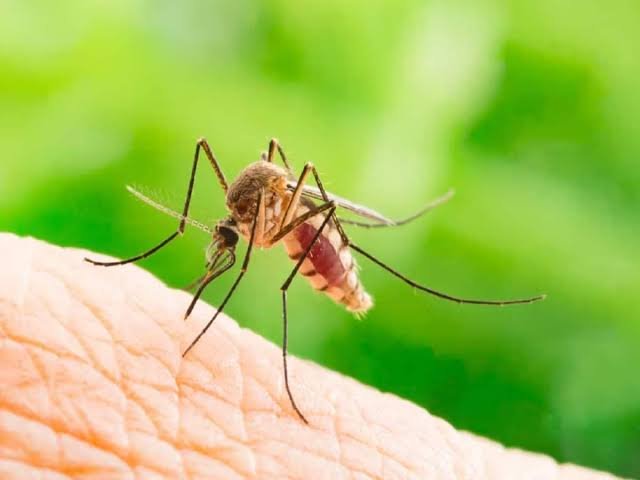
The Japanese Encephalitis Assam red alert highlights concerns over a mosquito-borne viral infection that typically spreads during monsoon and post-monsoon periods. The disease is transmitted through infected mosquitoes and can lead to severe neurological complications in some cases.
Furthermore, health officials emphasize that early detection and supportive medical care are critical in reducing mortality rates. Vaccination campaigns in endemic regions are also an important preventive measure.
The disease remains a recurring public health challenge in parts of Northeast India.
Preventive Measures and Response
The Japanese Encephalitis Assam red alert has triggered preventive measures including fogging operations, distribution of awareness materials, and surveillance of fever cases in high-risk districts.
Meanwhile, health workers are being deployed to rural and flood-prone areas where mosquito breeding conditions are more prevalent during the monsoon season. Public advisories encourage the use of protective measures such as mosquito nets and repellents.
The focus remains on containment and early intervention.
Conclusion
The Japanese Encephalitis Assam red alert underscores the urgency of addressing vector-borne diseases during the monsoon season. With seven deaths reported, the Assam Health Department has intensified surveillance and preventive actions to control further spread. Authorities continue to urge public cooperation in adopting preventive health measures and seeking timely medical care.
FAQs
1. What is Japanese Encephalitis?
It is a mosquito-borne viral disease that can cause severe brain inflammation.
2. What triggered the red alert in Assam?
The confirmation of seven deaths due to Japanese Encephalitis during the monsoon onset.
3. Who issued the alert?
The Assam Health Department.
4. How is the disease transmitted?
Through bites of infected mosquitoes, especially in rural and flood-prone areas.
5. What measures are being taken?
Surveillance, fogging, awareness campaigns, and deployment of health workers in high-risk districts.
6. How can people protect themselves?
By using mosquito nets, repellents, wearing protective clothing, and seeking early medical attention for symptoms.