


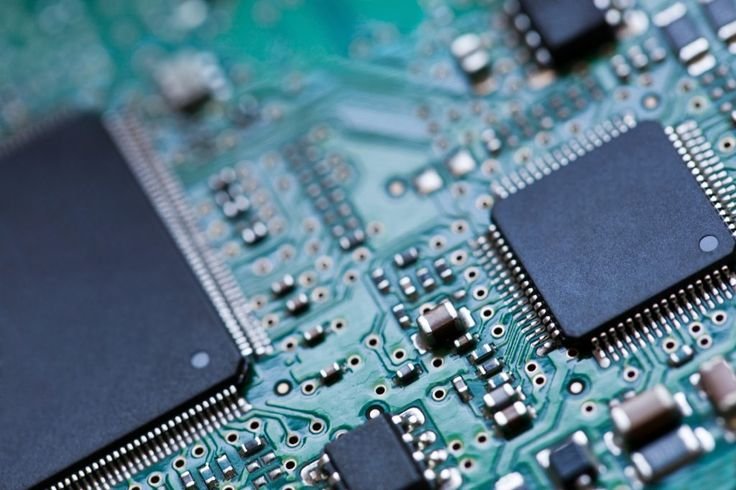
Assam’s Leap in Semiconductor Innovation
Assam-made semiconductor chips have entered the national spotlight. At Semicon India 2025, two standout innovations — the Tata OSAT Chip and NIT Silchar’s Neural Amplifier Frontend IC — were showcased as breakthroughs from the Northeast. This display highlighted Assam’s growing contributions to India’s electronics sector.
These developments are part of India’s larger push for self-reliance in high-tech manufacturing. In particular, they reflect Assam’s emerging role in the country’s semiconductor ecosystem.
The Significance of Assam-Made Semiconductor Chips
Driving Local Innovation in Electronics
India has been aggressively promoting semiconductor self-reliance through the Semicon India initiative, aiming to reduce import dependency and strengthen indigenous manufacturing. Assam’s homegrown semiconductor chips are a testament to this vision.
The Tata OSAT (Outsourced Semiconductor Assembly and Test) Chip represents an important milestone for Assam’s electronics manufacturing ecosystem. Developed with cutting-edge assembly and testing technologies, it enhances product reliability and performance, essential for advanced applications in consumer electronics and industrial systems.
Similarly, the Neural Amplifier Frontend IC, developed by researchers at National Institute of Technology (NIT) Silchar, focuses on neural signal processing and brain-computer interface technologies. This innovation has potential applications in healthcare, wearable tech, and neuroprosthetics, showing Assam’s involvement in futuristic tech fields.
Highlights from Semicon India 2025: Assam’s Presence
Tata OSAT Chip Presentation
At Semicon India 2025, Tata showcased its OSAT Chip as a prime example of Assam’s capabilities in semiconductor assembly and testing. This chip demonstrates the state’s growing integration into India’s semiconductor supply chain, which has traditionally been dominated by other regions.
Tata OSAT Chip represents a leap forward in precision engineering, reliability, and scalable manufacturing processes crucial for India’s goal of becoming a global semiconductor player.
NIT Silchar’s Neural Amplifier Frontend IC
NIT Silchar’s innovation drew considerable attention for its advanced neural signal amplification and frontend integration capabilities. This IC is designed to efficiently capture and amplify weak neural signals, making it invaluable for neurotech applications.
This breakthrough signals Assam’s potential to contribute meaningfully to India’s rapidly evolving semiconductor R&D landscape. It also opens doors for more research partnerships and startup growth in Northeast India.
Why Assam’s Semiconductor Progress Matters
Strengthening India’s Electronics Ecosystem
Assam’s advancements feed directly into the country’s broader goal of semiconductor self-sufficiency under the Atmanirbhar Bharat mission. With the government investing heavily in semiconductor fabs and research centers, Assam’s emerging semiconductor projects play a vital role in diversifying manufacturing locations and skill bases.
Creating Jobs and Boosting Local Economy
The growing semiconductor industry in Assam not only encourages high-tech manufacturing but also creates skilled employment opportunities for the youth of the region. Educational institutions like NIT Silchar act as innovation hubs, fostering talent that can drive future electronics startups.
What Experts Say About Assam-Made Semiconductor Chips
Dr. R. K. Sharma, Head of Electronics at NIT Silchar, shared:
“Our Neural Amplifier Frontend IC is a prime example of what Assam’s academic and research institutions can achieve when supported adequately. We hope this inspires more local and national collaborations to expand the semiconductor footprint in Northeast India.”
Meanwhile, industry experts at Semicon India applauded Tata’s OSAT Chip for its quality and potential scalability, emphasizing Assam’s strategic importance as an emerging manufacturing center.
Challenges Ahead and Opportunities for Growth
While Assam’s semiconductor projects have made a promising start, the region still faces challenges such as:
- Limited infrastructure compared to established semiconductor hubs
- Need for more government incentives and startup incubators
- Greater industry-academia collaboration
However, the presence of these Assam-made semiconductor chips at a high-profile event like Semicon India 2025 signals strong momentum. Continued investments and policy support can help the region overcome hurdles and emerge as a vital node in India’s semiconductor supply chain.
Supporting Assam’s Semiconductor Future
To ensure sustained growth in Assam’s semiconductor ecosystem, stakeholders must:
- Encourage collaboration between academia, industry, and government
- Invest in specialized infrastructure like semiconductor fabs and testing labs
- Promote startups and innovation centers focusing on semiconductor design and fabrication
- Support skill development programs in electronics and chip manufacturing
If you are an investor, entrepreneur, researcher, or policymaker, now is the time to focus on Assam-made semiconductor chips and help transform the Northeast into a semiconductor powerhouse.
READ MORE: Mizoram Anti-Drug Operation Myanmar Border Begins Strong