


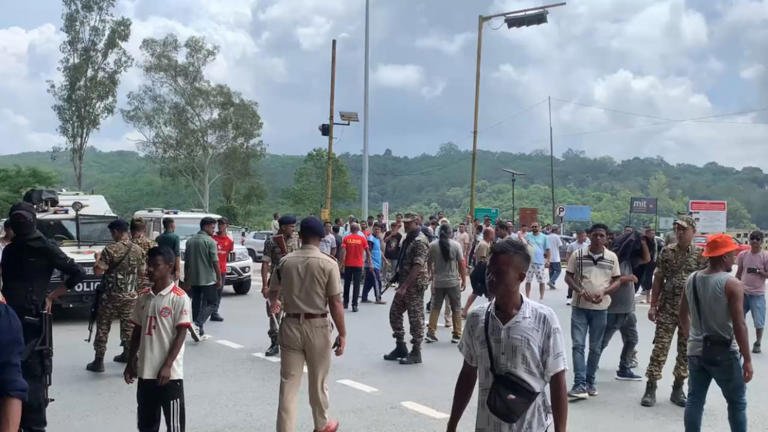
The Assam-Meghalaya cab crisis showed no signs of ending as vehicles from Assam continued to face restrictions while entering Shillong. The ongoing dispute has affected passengers, taxi operators and regular travellers who depend on road connectivity between the two neighbouring states.
Several Assam-registered commercial vehicles were reportedly stopped near the Shillong border, creating difficulties for people travelling to and from Meghalaya. The restrictions have added to concerns among cab operators, who say the dispute is affecting their livelihoods and disrupting normal transport services.
The situation has also created inconvenience for tourists and other passengers. Shillong remains a popular destination for visitors from Assam and other parts of the country. Many travellers depend on taxis and commercial vehicles to travel between Guwahati and Shillong.
As the dispute continues, taxi operators and authorities are facing increasing pressure to find a solution that can restore smooth movement across the interstate route.
Assam-Registered Cabs Face Restrictions at Shillong Border
The latest development came as Assam-registered commercial vehicles faced restrictions near the Shillong border. Vehicles carrying passengers reportedly could not continue their journey into the city.
The restrictions have affected cab operators who regularly provide transport services between Guwahati and Shillong. The route remains one of the busiest interstate travel corridors in the Northeast.
Many passengers travel between the two cities for work, education, medical treatment, tourism and other purposes. Any disruption on this route can therefore affect a large number of people.
Read More: Arunachal Governor and BSI Director Discuss State’s Rich Biodiversity
Cab operators have expressed concern over the restrictions. They say that stopping vehicles from entering Shillong directly affects their daily earnings.
Passengers also face uncertainty and may need to arrange alternative transport after reaching the border.
The ongoing crisis has therefore become a major issue for people who depend on regular commercial transport between Assam and Meghalaya.
Cab Operators Raise Concerns Over Livelihood
The restrictions have raised concerns among taxi and commercial vehicle operators in Assam.
For many drivers, the Guwahati-Shillong route provides a regular source of income. A continued disruption can reduce the number of trips they can complete and increase operational costs.
Drivers may also face difficulties when passengers cancel bookings because of uncertainty over whether vehicles will be allowed to enter Shillong.
The crisis has affected not only drivers but also vehicle owners and others connected with the transport sector.
Transport services support a wider network of workers. This includes booking agents, travel companies, hotels and tourism-related businesses.
A prolonged dispute could therefore have a wider economic impact.
Cab operators have called for a clear solution that allows them to continue their services without facing sudden restrictions.
Passengers and Tourists Face Travel Disruption
Passengers have been among the most directly affected by the ongoing Assam-Meghalaya cab crisis.
Travellers arriving from Guwahati may face difficulties if their vehicles are stopped before entering Shillong. They may need to arrange another vehicle to complete the journey.
This can increase travel costs and cause delays.
The situation also affects tourists visiting Meghalaya. Shillong and other destinations in the state attract visitors throughout the year.
Many tourists arrive at Guwahati and then travel to Shillong by road. Assam-registered taxis have traditionally played an important role in this travel network.
Restrictions on vehicle movement can make travel arrangements more complicated.
Tour operators may also need to adjust their plans if passengers cannot travel directly to their destinations.
The continued uncertainty could affect the overall experience of visitors travelling through the region.
Interstate Transport Issue Requires Resolution
The crisis highlights the challenges involved in regulating commercial transport between neighbouring states.
Assam and Meghalaya share close geographical, economic and social links. Thousands of people travel between the two states regularly.
The smooth movement of passengers and commercial vehicles remains important for both economies.
The ongoing dispute has created a need for discussions between the relevant authorities and transport organisations.
A coordinated solution could help address the concerns of local taxi operators while also ensuring that passengers do not face unnecessary difficulties.
The issue requires a balance between protecting the interests of local transport workers and maintaining convenient interstate travel.
Until such a solution emerges, passengers and cab operators may continue to face uncertainty.
Shillong Border Restrictions Keep Crisis Alive
The latest restrictions at the Shillong border show that the crisis remains unresolved.
Vehicles continue to face difficulties, while taxi operators are waiting for clarity on when normal services can resume.
The situation has drawn attention because of the importance of the Assam-Meghalaya transport route.
Guwahati serves as a major transport hub for the Northeast. Shillong relies heavily on road connectivity with Assam for passenger travel and tourism.
Any disruption to this connection can have consequences for travellers and businesses in both states.
The ongoing restrictions have therefore increased pressure on stakeholders to find a workable solution.
Need for Dialogue Between Stakeholders
Transport disputes often require discussions between governments, transport associations and other stakeholders.
A clear agreement could help prevent further disruption and provide certainty for drivers and passengers.
Both states have an interest in maintaining strong connectivity and supporting tourism and economic activity.
The Assam-Meghalaya cab crisis has shown how restrictions on commercial vehicles can quickly affect thousands of travellers.
The issue is likely to remain under close watch as cab operators seek clarity and authorities consider possible solutions.
For now, the situation remains uncertain. Vehicles continue to face restrictions near the Shillong border, and normal interstate cab operations have yet to fully resume.
No Immediate End in Sight
The Assam-Meghalaya cab crisis appears far from over as restrictions continue to affect vehicle movement into Shillong.
Cab operators remain concerned about their livelihoods, while passengers and tourists continue to face inconvenience.
The situation highlights the importance of reliable interstate transport in the Northeast.
A lasting solution will require dialogue and cooperation among the concerned authorities and transport groups.
Until then, the restrictions at the Shillong border are likely to continue affecting regular travel between Assam and Meghalaya.
Passengers may need to plan their journeys carefully, while cab operators wait for a resolution that allows them to resume normal services.
The crisis remains a significant transport concern for both states, with no immediate end yet visible to the ongoing dispute.
Read More: Sonowal Unveils ₹427 Crore Projects, Signs ₹1,580 Crore Pacts at Paradip