


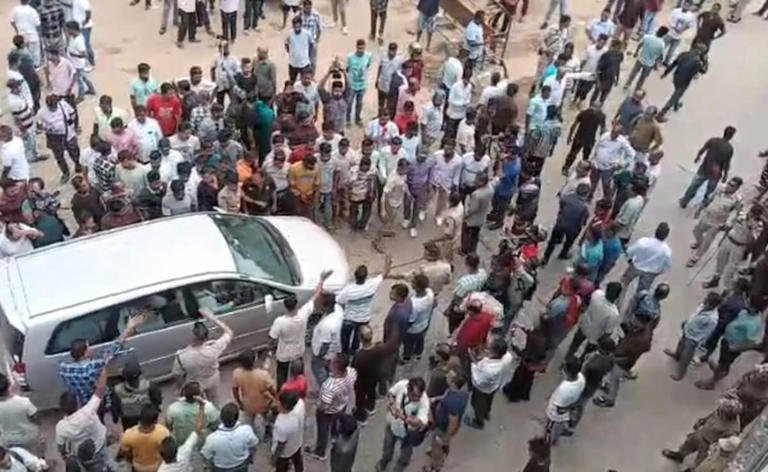
Assam Meghalaya taxi standoff left several tourists stranded at key transit points. The standoff erupted when taxi operators from both states clashed over permits and route permissions. With the Northeast being a popular tourist hub, the dispute quickly drew attention from local authorities and tourism stakeholders.
Read More: New Market Shed Opens in Tawang for Farmers and Vendors
Assam Meghalaya Taxi Standoff Disrupts Travel
According to reports, the Assam Meghalaya taxi standoff began after drivers from Meghalaya raised objections against Assam-registered taxis entering certain tourist zones. Similarly, Assam drivers claimed they were being unfairly restricted, despite valid permits. The situation escalated into heated exchanges, forcing several tourists to remain stuck at border points.
Officials confirmed that the dispute has affected routes leading to popular destinations such as Shillong, Cherrapunji, and Guwahati. For many visitors, the sudden halt in transport disrupted travel plans and caused widespread inconvenience.
Tourists Left Stranded Amid Uncertainty
The fact that Assam Meghalaya taxi standoff left tourists stranded has raised serious concerns for the tourism sector. Families and groups traveling to scenic spots were caught in the crossfire of the disagreement. With no taxis willing to cross disputed routes, many were left waiting for hours at pick-up points.
Some tourists reported being overcharged by alternative transport providers, while others had to cancel their plans altogether. Travel operators expressed frustration, noting that disputes between taxi unions have been recurring in the region.
Reasons Behind the Dispute
The Assam Meghalaya taxi standoff stems from long-standing issues over route-sharing and permits. Drivers from both states argue that they face unfair competition and lack clear guidelines on operating across state lines.
Meghalaya drivers allege that Assam taxis often dominate routes to tourist hotspots, affecting their earnings. Meanwhile, Assam operators counter that they are entitled to ply these routes under interstate transport agreements. The absence of a uniform regulatory framework has fueled the conflict, leading to frequent standoffs.
Authorities Step In
Following reports that Assam Meghalaya taxi standoff left tourists stranded, local administrations intervened to ease tensions. Police were deployed to maintain order at key points along the Assam-Meghalaya border. Officials also held meetings with taxi union leaders to negotiate a temporary settlement.
Authorities stressed that tourism is a vital sector for both states, and disputes like these harm the region’s image. They assured travelers that steps would be taken to restore smooth transport services as quickly as possible.
Impact on Tourism in the Region
The Assam Meghalaya taxi standoff has highlighted the fragile nature of tourism infrastructure in Northeast India. For domestic and international visitors, reliable transport is crucial for accessing remote destinations. However, disputes like these discourage tourists and risk damaging the region’s reputation as a welcoming travel hub.
Tour operators expressed concern that repeated conflicts may lead to cancellations during the peak travel season. They urged governments of both states to implement a long-term solution that ensures cooperation between drivers while protecting the interests of visitors.
Voices from the Ground
The standoff affected not just tourists but also local businesses dependent on tourism. Shopkeepers, hotel owners, and guides reported a drop in customers during the disruption. Many believe that unless the issue is resolved permanently, small businesses in tourist towns will continue to suffer.
Travelers caught in the Assam Meghalaya taxi standoff shared their frustration. Some described it as an unexpected challenge during what was meant to be a relaxing holiday. Others highlighted safety concerns, especially for families stranded late at night without reliable transport options.
The Need for a Permanent Solution
Experts believe the Assam Meghalaya taxi standoff underscores the urgent need for a comprehensive interstate transport policy. Establishing clear guidelines on permits, fares, and route-sharing could prevent future disputes. Additionally, training and awareness programs for taxi unions may help reduce friction.
Collaboration between the two state governments is key. By creating a shared framework, Assam and Meghalaya can avoid repeated standoffs and protect their growing tourism industry.
The incident where Assam Meghalaya taxi standoff stranded tourists serves as a reminder of the challenges in regional connectivity. While local drivers’ concerns must be acknowledged, safeguarding tourism should remain a priority.
A coordinated approach between both states, combined with fair policies, can ensure that tourists enjoy seamless travel across the Northeast. Until then, recurring disputes risk damaging the image of Assam and Meghalaya as tourist-friendly destinations. Resolving these tensions quickly is vital to sustaining the economic and cultural benefits of tourism in the region.
Read More: Arunachal launches Swachhata Hi Seva 2025 with state drive