


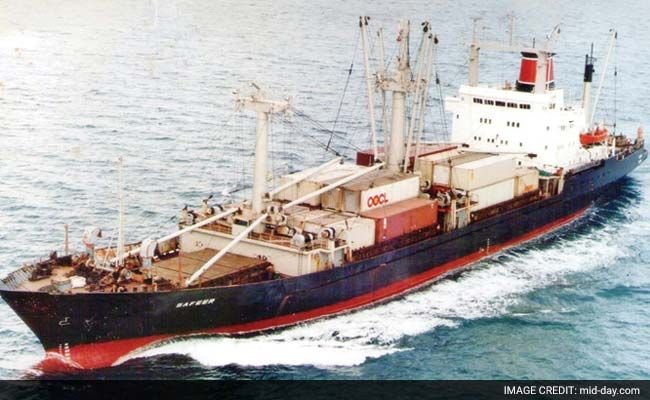
The Assam National Waterway cargo operation marked a major revival on the Kopili River, resuming waterborne freight transport in Assam after a decade. The maiden run successfully transported 300 tonnes of cement, showcasing the growing importance of the Assam National Waterway cargo network in enhancing regional logistics.
Maiden Cargo Run on National Waterway-57: A New Era for Assam’s Freight
After nearly ten years of inactivity, the Kopili River’s revival as a cargo route under National Waterway-57 is a major breakthrough for Assam’s logistics and trade sectors. The cargo run signifies the government’s push to utilize inland waterways for efficient, cost-effective, and sustainable transport.
The 300 tonnes of cement were transported from Silchar to downstream markets, highlighting the waterway’s ability to handle heavy industrial cargo. This development is expected to reduce road congestion, cut transportation costs, and minimize carbon emissions in the region.
“This maiden run is a turning point for Assam’s freight transport. Inland waterways offer a green and economical alternative to road transport,” said an official from the Inland Waterways Authority of India (IWAI).
What is National Waterway-57?
National Waterway-57 is a key inland water route running through Assam and Meghalaya. It covers a stretch of over 255 kilometers, linking important river systems, including the Barak and Kopili Rivers.
- It plays a critical role in connecting remote areas to major trade centers.
- The waterway is part of the Government of India’s plan to enhance multimodal logistics networks under the PM Gati Shakti initiative.
- Development of NW-57 aims to ease freight movement in the Northeast, an area often challenged by difficult terrain and poor road connectivity.
Economic and Environmental Benefits of Reviving Assam National Waterway Cargo
The revival of cargo transport on the Kopili River offers multiple benefits:
Economic Advantages
- Lower transportation costs: Waterborne freight can be up to 30% cheaper than road transport.
- Boost to local industries: Faster and more reliable shipment of goods like cement supports construction and infrastructure projects.
- Job creation: Development of ports and warehousing facilities creates employment opportunities.
Environmental Impact
- Inland waterways produce 75% less carbon emissions compared to road and rail transport.
- Reduction in road traffic decreases wear and tear on highways and lowers accident risks.
- Promotes the sustainable development of Assam’s fragile river ecosystems.
Government and Stakeholder Roles in National Waterway-57 Development
The success of the maiden cargo run was the result of coordinated efforts:
- Inland Waterways Authority of India (IWAI) oversaw navigation and safety protocols.
- The Assam state government provided logistical support and infrastructure upgrades along the riverbanks.
- Private sector partners contributed to cargo handling and vessel operation.
Together, they are ensuring that NW-57 becomes a reliable freight corridor, opening new avenues for trade in Northeast India.
How Inland Waterways Fit into India’s Transport Future
Inland waterways are gaining momentum as vital arteries of trade in India’s transportation ecosystem. The government’s focus on waterways complements roads and railways, forming a robust multimodal logistics network.
- The National Waterways Act expanded water routes from 5 to 111 across India.
- Water transport is cost-efficient and environment-friendly, helping India meet its sustainability goals.
- Waterways also promote regional connectivity, especially in difficult-to-access areas like the Northeast.
Embrace the Future of Freight in Assam
The maiden cargo run on Assam’s National Waterway-57 signals a new chapter for inland water transport in the region. For businesses, policymakers, and citizens, this is an opportunity to support sustainable and efficient logistics.
- If you’re a business owner in Assam or the Northeast, consider inland waterways for cost-effective cargo movement.
- Policy advocates and environmental groups should push for faster waterway development and better connectivity.
- Citizens can stay informed and support initiatives that reduce carbon footprints in freight transport.
READ MORE: Manipur Budget Shipping Bill Passed in Parliament
The Assam National Waterway cargo revival on the Kopili River is more than just a freight milestone—it’s a step toward sustainable development, economic growth, and regional integration. With government backing and growing stakeholder interest, waterborne freight transport in Assam is set to scale new heights.