


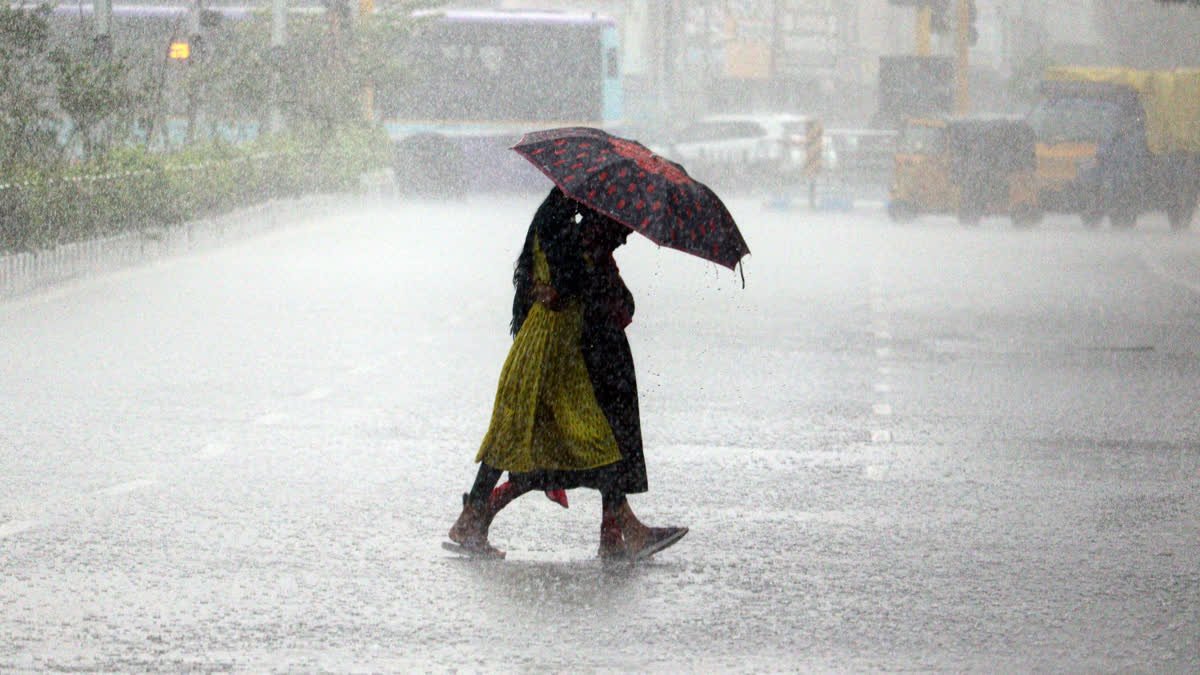
The Northeast Monsoon Rainfall Alert has been issued following the latest seasonal forecast update by the India Meteorological Department (IMD), which warns that most northeastern states are likely to experience below-normal monsoon rainfall this year. The advisory has raised concerns over potential impacts on agriculture, water resources, and rural livelihoods in a region that is heavily dependent on seasonal rains. Meteorologists indicated that large-scale atmospheric and oceanic conditions are influencing the weakening of monsoon activity in parts of eastern and northeastern India. Authorities and state governments are expected to closely monitor the situation as the monsoon season progresses.
National Games 2027 Infrastructure Review Held in Shillong
Sikkim High Court Orders Road Inspection in North Sikkim
IMD Flags Weak Monsoon Outlook For Northeast
According to the updated forecast, rainfall distribution across the northeastern region may remain uneven, with several states receiving less-than-average precipitation. The Rainfall Alert reflects the IMD’s assessment of evolving climatic patterns that are likely to reduce overall monsoon intensity.
Officials stated that below-normal rainfall conditions could persist in multiple northeastern states, although localized variations may still occur. While some pockets may receive normal showers, the broader seasonal outlook indicates a weaker monsoon performance compared to long-term averages.
Meteorologists explained that such forecasts are based on multiple indicators, including sea surface temperatures, wind patterns, and large-scale climate oscillations that influence monsoon behavior across the Indian subcontinent.
Agricultural Sector Likely To Be Most Affected
Agriculture in the northeastern region is largely dependent on monsoon rainfall, making seasonal predictions particularly important for farmers and rural communities. The Northeast Rainfall Alert has therefore raised concerns about possible disruptions to crop cycles and agricultural productivity.
Paddy cultivation, horticulture, and rain-fed farming systems may face stress if rainfall deficits persist during critical growth periods. Reduced soil moisture levels could also affect planting schedules and yield outcomes in several districts.
Experts suggest that adaptive farming practices, improved irrigation access, and timely government support will be essential to mitigate potential risks. State agriculture departments may need to prepare contingency plans to support farmers in case of prolonged dry spells.
Water Resources And Rural Impact
Beyond agriculture, water availability is another major concern linked to below-normal monsoon conditions. Reservoir levels, groundwater recharge, and rural water supply systems could be affected if rainfall remains deficient throughout the season.
The Northeast Rainfall Alert underscores the importance of efficient water management strategies, especially in hilly and remote areas where storage infrastructure is limited. Reduced rainfall may also impact hydropower generation and drinking water availability in certain regions.
Local administrations are expected to monitor water resource levels closely and implement conservation measures where necessary. Community awareness and sustainable water use practices may become increasingly important under these conditions.
Climate Variability And Monsoon Behavior
Meteorologists note that monsoon variability has become more pronounced in recent years due to changing global climate patterns. The IMD’s forecast reflects ongoing efforts to understand and predict these shifts with greater accuracy.
The Northeast Rainfall Alert is part of a broader assessment of monsoon performance across India, where regional disparities in rainfall are becoming more common. Such variability can lead to both drought-like conditions in some areas and excessive rainfall in others.
Scientists continue to study the interaction between oceanic conditions such as El Niño and regional atmospheric systems that influence monsoon strength. These factors play a key role in determining seasonal rainfall distribution.
Preparedness And Government Response
State governments across the northeast are expected to review preparedness measures in response to the forecast. Planning for water conservation, agricultural support, and disaster risk management may become a priority if rainfall deficits intensify.
The Northeast Monsoon Rainfall Alert highlights the need for coordinated action between meteorological agencies and local administrations. Early warning systems and timely dissemination of forecasts can help communities prepare for potential challenges.
Officials may also focus on strengthening climate-resilient infrastructure and promoting sustainable land and water management practices to reduce vulnerability to monsoon fluctuations.
Conclusion
The Northeast Monsoon Rainfall Alert issued by the IMD signals the possibility of below-normal monsoon rains across most northeastern states, raising concerns over agriculture, water resources, and rural livelihoods. While forecasts may evolve as the season progresses, the current outlook emphasizes the importance of preparedness and adaptive planning. With effective coordination between governments, farmers, and local communities, the impact of reduced rainfall can be managed through timely interventions and sustainable resource management strategies.
FAQs
What does the IMD forecast say about the monsoon?
The IMD has predicted below-normal rainfall for most northeastern states this monsoon season.
What is the Northeast Monsoon Rainfall Alert?
It refers to the warning about likely reduced monsoon rainfall in the northeastern region.
Which sectors will be most affected?
Agriculture and water resources are expected to be the most impacted sectors.
Why is rainfall important in Northeast India?
The region depends heavily on monsoon rains for farming, drinking water, and hydropower.
Can rainfall patterns still change?
Yes, monsoon forecasts may be updated as conditions evolve during the season.
What measures can help reduce the impact?
Water conservation, irrigation planning, and climate-resilient farming practices can help mitigate risks.