


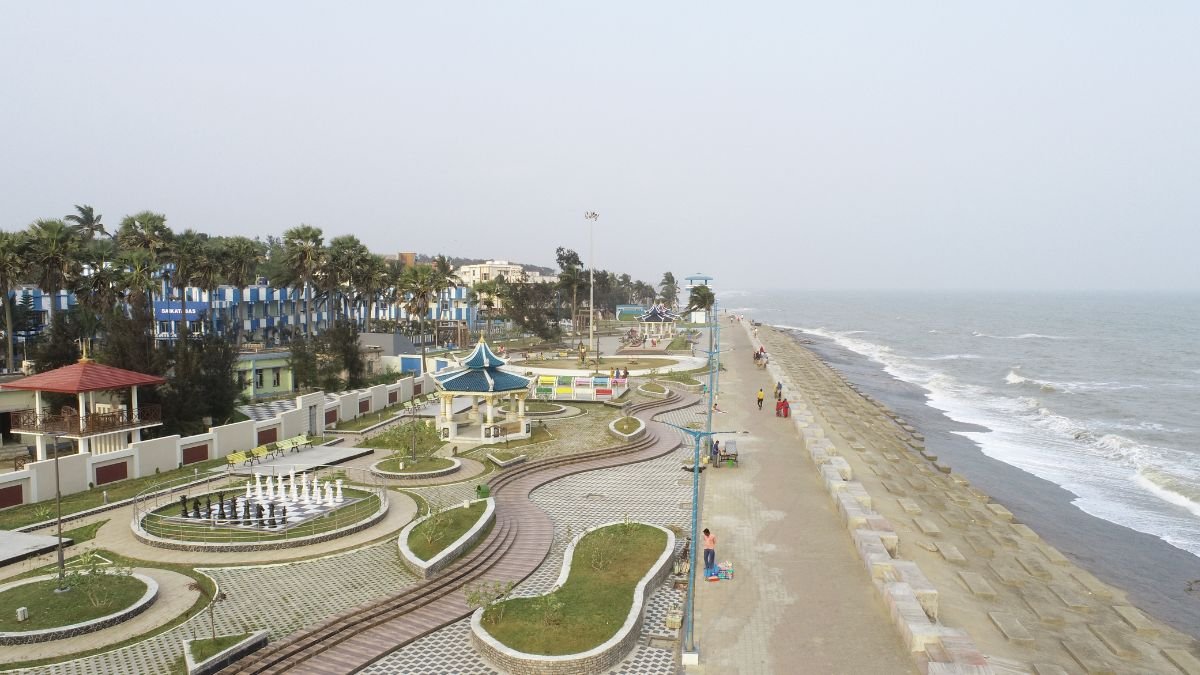
Bengal eco resort projects received a major boost after authorities approved new tourism infrastructure developments in the popular coastal destinations of Mandarmani and Digha. Meanwhile, tourism department officials and planners stated that the proposed eco-resort initiatives aim to strengthen sustainable tourism, improve visitor facilities, and expand coastal economic opportunities across West Bengal’s seaside regions. The announcement immediately attracted attention from tourism operators, investors, and local businesses because Mandarmani and Digha remain among the state’s most visited beach destinations. Additionally, administrative agencies reportedly accelerated coordination involving environmental clearances, hospitality planning, and infrastructure support linked to the upcoming projects.
The development emerged amid increasing efforts to promote environmentally sustainable tourism and diversify regional travel experiences. Furthermore, tourism experts observed that eco-friendly hospitality infrastructure increasingly influences modern tourism planning and coastal economic development strategies.
Howrah Station Redevelopment Plan Targets Modern Rail Expansion
West Bengal HS Results Announcement Expected Soon
Authorities Approve New Eco-Resort Infrastructure
Tourism authorities formally cleared multiple eco-resort proposals for coastal development zones in Mandarmani and Digha. Bengal eco resort projects discussions therefore rapidly intensified across hospitality, tourism, and investment sectors.
Meanwhile, officials explained that the projects may include eco-friendly accommodations, landscaped recreational zones, nature-oriented tourism facilities, and sustainable infrastructure systems designed to minimize environmental impact. Additionally, planners reportedly emphasized the importance of balancing tourism growth with coastal ecosystem protection.
Tourism department representatives stated that the initiative seeks to strengthen West Bengal’s position within India’s growing domestic tourism market. Furthermore, authorities highlighted that improved tourism infrastructure may increase visitor retention and year-round economic activity in the coastal region.
Earlier, Mandarmani and Digha experienced rising tourist inflow because of improved road connectivity and increasing popularity as weekend travel destinations. Consequently, the latest approvals generated optimism regarding future tourism expansion and investment opportunities.
At the same time, environmental observers stressed the need for strict monitoring of ecological impact during project implementation.
Mandarmani and Digha Remain Key Coastal Destinations
The latest tourism projects reinforced the importance of Mandarmani and Digha within West Bengal’s broader coastal tourism strategy. Bengal eco resort projects therefore carried significance beyond hospitality development alone.
Meanwhile, travel industry analysts observed that both destinations attract large numbers of domestic tourists because of their beaches, accessibility, and growing recreational infrastructure. Additionally, coastal tourism continues contributing significantly to local employment and regional commerce.
Several tourism experts noted that eco-resort models increasingly appeal to travelers seeking sustainable and nature-focused experiences. Furthermore, environmentally responsible tourism infrastructure may improve long-term destination competitiveness and visitor satisfaction.
Economic researchers also emphasized that coastal tourism frequently stimulates secondary sectors involving transport, retail, food services, and local handicrafts. Consequently, the approved projects gained wider economic importance within regional development discussions.
However, coastal planners highlighted the importance of preventing uncontrolled commercialization and environmental degradation along sensitive shoreline zones.
Sustainable Tourism and Environmental Protection Prioritized
Officials indicated that sustainability and ecological preservation remain central objectives within the approved tourism projects. Bengal eco resort projects planning therefore became closely connected with environmental management strategies.
Meanwhile, planners reportedly incorporated provisions involving waste management systems, green building practices, water conservation, and limited-impact construction methods. Additionally, authorities emphasized maintaining ecological balance within fragile coastal ecosystems.
Environmental experts explained that coastal tourism infrastructure often creates pressure on beaches, marine habitats, and local biodiversity if not managed carefully. Furthermore, sustainable tourism planning increasingly requires integration between conservation goals and economic development priorities.
Several climate researchers highlighted that rising sea levels and coastal erosion remain growing concerns for tourism infrastructure across eastern India’s shoreline regions. Consequently, eco-sensitive development models gained stronger importance within tourism policy frameworks.
At the same time, conservation groups encouraged stricter monitoring of long-term environmental compliance standards.
Employment and Local Business Activity Expected to Rise
The approved tourism infrastructure projects may significantly improve employment and commercial opportunities across coastal communities. Bengal eco resort projects expectations therefore generated positive reactions among local residents and business operators.
Meanwhile, officials stated that resort construction, hospitality operations, tourism services, and transport sectors may create direct and indirect employment opportunities. Additionally, local vendors, seafood businesses, and small tourism enterprises may benefit from rising visitor activity.
Economic development experts observed that tourism-driven infrastructure frequently stimulates broader regional growth involving real estate, retail markets, and community entrepreneurship. Furthermore, eco-tourism models often encourage local participation and culturally integrated business development.
Several labor market analysts emphasized that sustainable tourism sectors increasingly contribute to diversified rural and coastal economies. Consequently, community-based tourism engagement became an important component of broader development planning discussions.
However, some local groups requested safeguards ensuring that tourism expansion benefits surrounding communities equitably.
Infrastructure Connectivity and Visitor Facilities Strengthened
Authorities also highlighted plans involving improved transportation and public infrastructure support for the coastal tourism zones. Bengal eco resort projects implementation therefore extended beyond resort construction into broader destination modernization.
Meanwhile, planners reportedly reviewed road upgrades, parking facilities, public sanitation systems, and emergency response infrastructure supporting future tourism growth. Additionally, digital tourism services and visitor information systems may strengthen traveler convenience and destination management efficiency.
Infrastructure analysts observed that modern tourism destinations increasingly depend on integrated transport and civic infrastructure for long-term sustainability. Furthermore, improved accessibility often influences visitor growth and commercial investment interest.
Several urban and tourism planners emphasized the importance of maintaining balanced infrastructure expansion without disrupting coastal ecology and local settlement patterns. Consequently, integrated tourism management became a central focus within the project framework.
At the same time, authorities continued evaluating additional infrastructure requirements linked to future tourist inflow projections.
West Bengal Expands Coastal Tourism Vision
The eco-resort approvals reflected West Bengal’s broader strategy to strengthen its tourism economy and coastal travel appeal. Bengal eco resort projects development therefore aligned with wider state tourism promotion and investment initiatives.
Meanwhile, policymakers stated that tourism remains an important sector for economic diversification, employment generation, and regional branding. Additionally, coastal destinations increasingly attract travelers seeking short-duration leisure tourism and nature-based experiences.
Travel market analysts observed that domestic tourism growth continues reshaping hospitality investment patterns across India’s coastal states. Furthermore, eco-tourism infrastructure may strengthen long-term competitiveness within the rapidly evolving travel industry.
Several strategic planners noted that sustainable tourism development frequently improves both environmental preservation and destination branding. Consequently, Mandarmani and Digha gained renewed importance within West Bengal’s future tourism roadmap.
At the same time, industry stakeholders closely monitored future timelines regarding project implementation and investment participation.
Conclusion
Bengal eco resort projects gained major momentum after authorities approved sustainable tourism infrastructure developments in Mandarmani and Digha, two of West Bengal’s leading coastal destinations. Meanwhile, officials emphasized the importance of balancing tourism growth with ecological protection and long-term coastal sustainability. Experts highlighted that eco-tourism infrastructure may strengthen employment opportunities, visitor experiences, and regional economic development across the coastal belt. Ultimately, observers believe environmentally responsible planning and effective implementation will remain essential for the long-term success of West Bengal’s expanding coastal tourism sector.
FAQs
What was approved in Mandarmani and Digha?
Authorities approved new eco-resort tourism projects in the coastal destinations.
Why are the Bengal eco resort projects important?
The projects aim to boost sustainable tourism and regional economic growth.
What facilities may be included in the eco-resorts?
Plans may include eco-friendly accommodations and sustainable tourism infrastructure.
Could the projects create employment opportunities?
Yes, tourism, hospitality, and local business sectors may benefit significantly.
Why is sustainability important for coastal tourism?
Coastal ecosystems are environmentally sensitive and vulnerable to climate-related threats.
How could the projects affect local tourism?
Improved infrastructure may increase visitor inflow and strengthen destination appeal.