


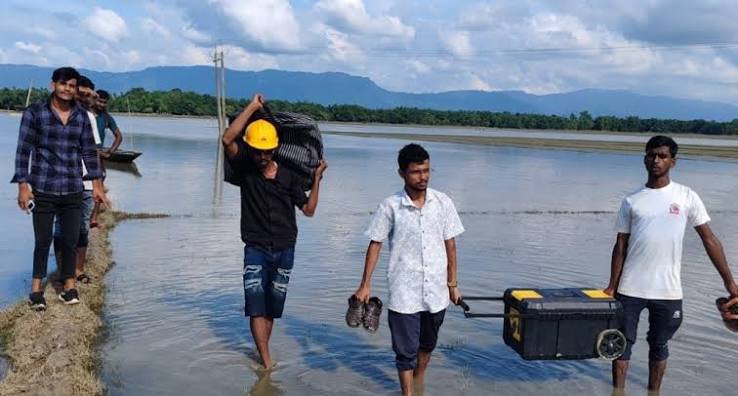
The Bru Rehabilitation Monitoring process continued as district magistrates reviewed basic drinking water networks across newly settled Bru migrant colonies. The inspection focused on assessing essential water infrastructure and ensuring that rehabilitation efforts continue to support basic public services in resettlement areas.
Tripura Tea Global Export Begins with First Premium Organic Green Tea Shipment to Europe
Bru Rehabilitation Monitoring Focuses on Drinking Water Infrastructure
The Bru Rehabilitation Monitoring initiative advanced after district magistrates conducted reviews of drinking water networks in newly settled Bru migrant colonies. According to the available information, the inspections assessed the availability and condition of basic water supply infrastructure within the rehabilitation settlements.
The review reflects the administration’s continued focus on monitoring essential public services in resettled communities. Moreover, access to safe drinking water remains a fundamental component of rehabilitation and community development.
District-level inspections help authorities evaluate infrastructure needs and identify areas that may require further attention. Therefore, regular monitoring supports the effective implementation of rehabilitation initiatives.
The review specifically focused on drinking water networks and did not include announcements regarding additional infrastructure projects.
Bru Rehabilitation Monitoring Supports Essential Public Services
The Bru Rehabilitation Monitoring exercise highlights the importance of maintaining essential civic amenities in newly established settlements. Drinking water infrastructure plays a vital role in supporting public health and improving living conditions for rehabilitated communities.
Moreover, periodic inspections by district magistrates enable local administrations to assess the functioning of existing water supply systems. Such reviews also help ensure that public infrastructure continues to meet community requirements.
The monitoring exercise forms part of ongoing administrative efforts to oversee rehabilitation projects. Consequently, regular assessments can assist authorities in planning future maintenance and service improvements.
According to the available information, the inspections concentrated on evaluating drinking water networks across the settlements.
Bru Rehabilitation Monitoring Forms Part of Rehabilitation Oversight
The Bru Rehabilitation Monitoring initiative contributes to the broader oversight of rehabilitation programmes implemented for newly settled Bru migrant colonies. Administrative reviews help ensure that basic infrastructure and public services receive continuous attention after resettlement.
Additionally, district magistrates play an important role in supervising development initiatives at the local level. Regular field inspections provide opportunities to assess infrastructure conditions and monitor the progress of rehabilitation efforts.
The review of drinking water networks demonstrates the administration’s emphasis on maintaining essential services within the colonies. Therefore, the monitoring process supports the long-term sustainability of rehabilitation programmes.
Officials have not released additional information regarding further inspections or new infrastructure projects beyond the drinking water review.
Why the Bru Rehabilitation Monitoring Matters
The initiative is significant because access to reliable drinking water is essential for the well-being of rehabilitated communities. Continuous monitoring helps authorities evaluate infrastructure performance while supporting effective public service delivery.
Moreover, administrative oversight contributes to improved planning and timely maintenance of basic civic facilities. Regular inspections also strengthen accountability by ensuring that rehabilitation projects continue to receive attention after implementation.
The review by district magistrates reflects the government’s focus on monitoring the quality of essential infrastructure in newly settled colonies. Similarly, sustained oversight can contribute to the long-term success of rehabilitation programmes.
As monitoring activities continue, further official updates may provide additional information regarding future improvements and infrastructure development.
Conclusion
The Monitoring exercise marks another step in overseeing rehabilitation efforts as district magistrates reviewed drinking water networks across newly settled Bru migrant colonies. The inspections demonstrate continued administrative attention to ensuring that essential public services remain functional within the settlements.
Furthermore, access to reliable drinking water remains a key element of successful rehabilitation programmes. Regular infrastructure reviews can help identify maintenance needs and support improvements in service delivery over time.
Overall, the Bru Monitoring initiative highlights the importance of continuous oversight in rehabilitation projects. As authorities continue monitoring public infrastructure, further official updates are expected regarding future development and service enhancement initiatives.
FAQs
1. What is the Bru Rehabilitation Monitoring initiative?
The Rehabilitation Monitoring initiative involves administrative reviews of rehabilitation projects, including inspections of drinking water networks in newly settled Bru migrant colonies.
2. Who conducted the drinking water network review?
According to the available information, district magistrates carried out the review of drinking water infrastructure.
3. What was the focus of the monitoring exercise?
The review focused on assessing basic drinking water networks across newly settled Bru migrant colonies.
4. Why is the Bru Rehabilitation Monitoring important?
The initiative helps ensure that essential public services, including drinking water infrastructure, continue to support rehabilitated communities.
5. Were any new infrastructure projects announced?
Based on the available information, the review focused on existing drinking water networks, and no additional infrastructure projects were announced.