


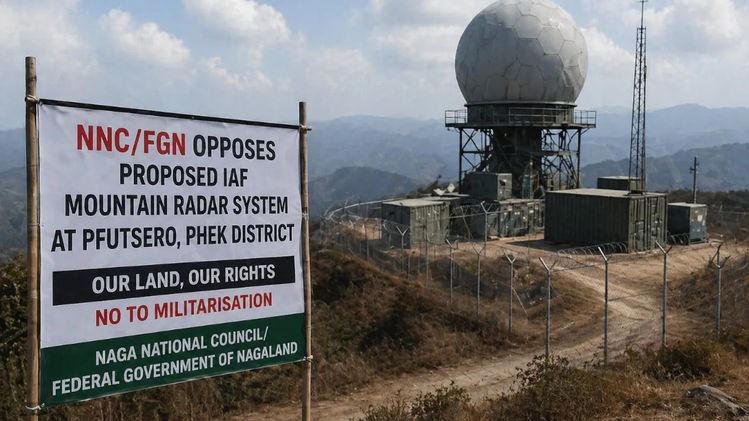
Pfutsero radar project opposition has intensified after a prominent Chakhesang community body raised strong objections to the proposed mountain radar installation in Pfutsero, located in Nagaland. The organisation expressed concern over the potential environmental and social impact of the project on the region.
In a public statement, the Chakhesang body emphasized that the project could disrupt the fragile ecosystem of the area. Pfutsero, known for its scenic beauty and ecological significance, may face long-term damage if such developments proceed without careful planning.
Moreover, the group stated that the local community was not adequately consulted before proposing the project. Therefore, they urged authorities to halt the initiative until proper discussions take place.
Read More: Tripura CM Saha Backs Women’s Reservation Bill, Targets Opposition
Environmental concerns take center stage
The Pfutsero radar project opposition largely revolves around environmental risks. The Chakhesang body pointed out that the proposed site lies in a sensitive mountain region. Any large-scale construction could lead to deforestation, soil erosion, and habitat loss.
Additionally, the organisation highlighted that Pfutsero’s ecosystem supports diverse flora and fauna. Disturbing this balance may have irreversible consequences. As a result, they called for a detailed environmental impact assessment before moving forward.
They also stressed that the region plays a crucial role in maintaining local climate conditions. Changes to the landscape could affect water sources and agricultural activities. Therefore, the community fears long-term ecological damage.
Furthermore, the Chakhesang body warned that such projects often overlook sustainable practices. Without strict safeguards, the environmental cost may outweigh the intended benefits.
Concerns over community rights and consultation
Another major issue in the Pfutsero radar project opposition is the lack of community consultation. The Chakhesang body stated that local residents were not informed adequately about the project’s scope and implications.
They argued that development projects should involve the participation of affected communities. This ensures transparency and builds trust between authorities and citizens. However, in this case, the process appears to have been limited.
Moreover, the organisation emphasized that indigenous communities have a deep connection with their land. Any decision affecting their environment must respect their rights and traditions. Therefore, they demanded inclusive dialogue before any further steps.
The Chakhesang body also urged the government to consider alternative locations. By doing so, authorities can minimize disruption to populated and ecologically sensitive areas.
Strategic importance versus local concerns
While opposing the project, the Chakhesang body acknowledged that the radar installation may have strategic significance. Mountain radar systems are often used for security and surveillance purposes, especially in border regions.
However, they argued that national security objectives should not ignore local realities. Balancing strategic needs with environmental and social concerns remains essential. Therefore, authorities must adopt a holistic approach.
The organisation suggested that technological solutions could be explored to reduce environmental impact. For instance, smaller installations or alternative sites may offer similar benefits without causing significant damage.
Additionally, they called for greater transparency regarding the project’s purpose. Clear communication can help address misunderstandings and reduce opposition.
Government response and next steps
In response to the Pfutsero radar project opposition, officials have indicated that the matter will be reviewed. Authorities acknowledged the concerns raised by the Chakhesang body and assured that they will consider all aspects before proceeding.
They also stated that environmental assessments and feasibility studies are part of the planning process. However, community groups remain skeptical and demand concrete action.
Moreover, discussions between government representatives and local leaders are expected in the coming weeks. These meetings aim to address concerns and find a mutually acceptable solution.
The Chakhesang body has reiterated that it will continue to oppose the project unless their demands are met. Therefore, the situation remains dynamic and subject to further developments.
Broader implications for development in Nagaland
The Pfutsero radar project opposition highlights broader challenges related to development in Nagaland. Balancing infrastructure growth with environmental protection and community rights remains a complex issue.
Many regions in Nagaland face similar dilemmas. While development projects bring economic opportunities, they can also pose risks to traditional lifestyles and natural resources. Therefore, careful planning becomes essential.
The Chakhesang body’s stance reflects growing awareness about sustainable development. Communities are increasingly demanding accountability and participation in decision-making processes.
Furthermore, this case may influence future projects in the state. Authorities may adopt more inclusive and environmentally conscious approaches to avoid conflicts.
Conclusion
The Pfutsero radar project opposition underscores the need for balanced and responsible development. The Chakhesang body’s concerns highlight the importance of protecting both the environment and community rights.
While the project may have strategic benefits, it must be evaluated carefully. Inclusive dialogue, transparent processes, and sustainable practices can help address the issue effectively.
In conclusion, the situation in Pfutsero serves as a reminder that development should not come at the cost of ecological and social well-being. By considering all perspectives, authorities can work toward solutions that benefit both the nation and local communities.
Read More: Mamata Banerjee Slams BJP, Says Bengal Will Not Be Run from Delhi