


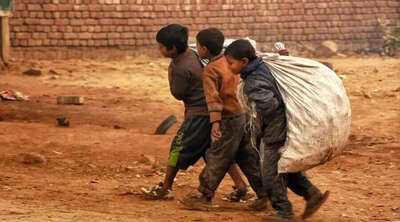
Child labor rescues in Guwahati continue to expose the harsh reality faced by vulnerable children across the city. Despite regular rescue operations by authorities and child rights groups, many children remain trapped in cycles of exploitation. The recurring cases underline an urgent need for stronger rehabilitation measures and faster justice for victims.
In recent months, child labor rescues in Guwahati have taken place in roadside eateries, small workshops, garages, and domestic settings. While these operations remove children from immediate danger, the larger challenge begins after the rescue. Without effective rehabilitation and accountability, rescued children risk returning to the same conditions.
Read More: Tripura Patanjali MoU Signed in Agartala
Rising child labor rescues in Guwahati
Child labor rescues in Guwahati have increased due to intensified inspections and coordinated efforts by the police, labour department, and child welfare committees. Officials have traced many rescued children to poor families from Assam and neighbouring states. Economic hardship often pushes families to send children to work.
Moreover, many employers exploit the desperation of these families. They offer low wages and long working hours. As a result, children miss school and face physical and mental stress. Therefore, child labor rescues in Guwahati reveal deeper socio-economic failures beyond individual violations.
Rescue operations show enforcement gaps
Although authorities conduct regular raids, enforcement gaps remain visible. In several cases, employers manage to evade strict punishment. Fines and legal action often fail to act as strong deterrents.
Furthermore, delays in filing cases weaken the justice process. When prosecutions move slowly, accountability suffers. Consequently, child labor rescues in Guwahati must go hand in hand with swift legal action. Without it, employers continue to view violations as low-risk.
Rehabilitation remains the biggest challenge
After rescue, rehabilitation becomes the most critical step. However, child labor rescues in Guwahati often expose weak rehabilitation systems. Temporary shelter homes provide short-term care, but long-term support remains limited.
Many children struggle to return to formal education. Some lack proper documents, while others face learning gaps. Therefore, authorities must focus on bridge courses, counselling, and sustained follow-up. Without structured rehabilitation, rescued children risk dropping out again.
Role of Child Welfare Committees
Child Welfare Committees play a central role after child labor rescues in Guwahati. They decide care plans and oversee rehabilitation. However, heavy caseloads often slow decision-making.
Additionally, coordination between departments remains uneven. Labour officials, police, education officers, and social welfare staff must work together. Better coordination can ensure that rescue leads to real recovery. Hence, child labor rescues in Guwahati demand stronger institutional synergy.
Justice for victims and accountability for offenders
Justice remains a key concern in child labor rescues in Guwahati. Many cases end with minimal penalties. Employers sometimes resume illegal practices after paying fines.
Stronger prosecution can change this trend. Fast-track courts and dedicated prosecutors can improve conviction rates. Moreover, public disclosure of convictions can act as a deterrent. Therefore, justice must become visible and effective.
Community awareness and prevention
Prevention remains as important as rescue. Child labor rescues in Guwahati highlight the need for community awareness. Parents, employers, and neighbours must understand the legal and moral consequences of child labour.
Schools and local bodies can help identify at-risk children early. Awareness campaigns can encourage reporting of violations. As a result, prevention efforts can reduce the need for repeated rescues.
Way forward for Guwahati
Child labor serves as a wake-up call for policymakers and society. Rescue operations alone cannot solve the problem. Authorities must strengthen rehabilitation, speed up justice, and address root causes like poverty and migration.
With coordinated action, Guwahati can move beyond reactive rescues. A child-centric approach that prioritises education, dignity, and long-term support can break the cycle of exploitation. Ultimately, child labor rescues in Guwahati should lead to lasting change, not temporary relief.
Read More: President Murmu Inaugurates Gallery of Param Vir Chakra Awardees