


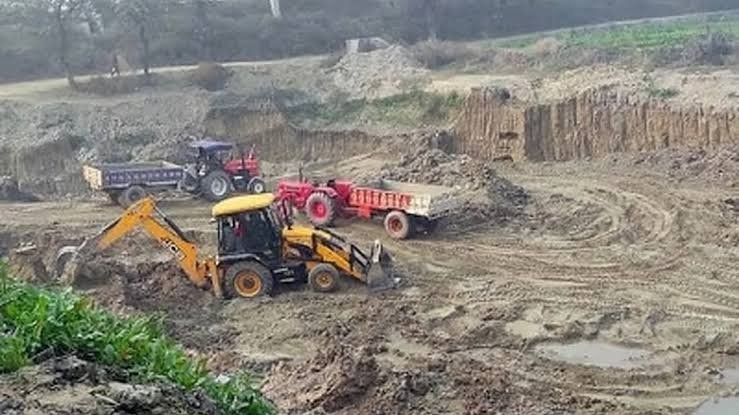
The Coal Mining Environmental Enforcement debate has intensified as opposition leaders demand stricter implementation of environmental laws governing state-sanctioned mining activities. The demand focuses on ensuring that mining operations follow environmental safeguards and regulatory requirements. Moreover, the issue has renewed attention on the balance between coal extraction, economic interests and environmental protection. The opposition wants authorities to strengthen monitoring and ensure that approved mining projects comply with applicable laws.
Tripura House Voter Verification Set for September 15 to October 14, 2026
Coal Mining Environmental Enforcement Becomes Political Issue
The Coal Mining Environmental Enforcement debate comes as opposition leaders raise concerns over the implementation of environmental regulations in mining areas.
Coal mining can support employment, government revenue and industrial activity. However, mining operations can also create environmental pressures when authorities fail to properly monitor compliance with regulatory requirements.
Therefore, opposition parties argue that state-sanctioned mining should operate under strict environmental oversight.
Moreover, environmental laws establish standards intended to regulate mining activities and reduce potential harm to land, water and surrounding ecosystems.
The opposition’s demand focuses on enforcement rather than simply approving mining projects.
Additionally, authorities need to ensure that mining operators follow the conditions attached to their approvals.
Meanwhile, effective monitoring can help government agencies identify violations and take appropriate action.
Consequently, the debate has moved beyond the question of whether mining should continue and toward how authorities should regulate it.
Opposition Seeks Stronger Environmental Safeguards
The Coal Mining Environmental Enforcement demand centres on stricter implementation of existing environmental protections.
Opposition leaders have called for authorities to ensure that mining operations meet applicable legal and regulatory standards.
Furthermore, stronger enforcement can involve regular inspections, monitoring of environmental conditions and action against violations.
Authorities also need to ensure that mining activities remain consistent with approved environmental requirements.
Moreover, transparency can play an important role in maintaining public confidence.
Local communities often have a direct interest in environmental conditions around mining areas. Therefore, access to reliable information about approvals, monitoring and compliance can help residents understand how authorities manage mining operations.
Additionally, environmental oversight can protect natural resources while allowing legally approved economic activities to continue.
However, stricter enforcement does not necessarily mean an immediate halt to all mining activity.
Instead, it can mean ensuring that operators meet the conditions established under environmental laws.
Consequently, the opposition’s demand places regulatory compliance at the centre of the political discussion.
Mining Development Raises Environmental Concerns
The Coal Mining Environmental Enforcement debate also reflects the wider challenge of balancing resource development with environmental protection.
Coal remains an important economic resource in several parts of India. Mining can contribute to local employment and economic activity.
However, poorly managed extraction can place pressure on natural resources and surrounding communities.
Therefore, environmental safeguards remain an important part of responsible mining policy.
Moreover, authorities must consider factors such as land management, water resources and ecological conditions when monitoring mining activities.
Effective enforcement can consequently help reduce risks associated with non-compliance.
Meanwhile, mining regulations can establish specific conditions that operators must follow during extraction and related activities.
Additionally, government agencies need adequate monitoring mechanisms to determine whether those conditions remain effective in practice.
The opposition’s criticism therefore highlights a broader question about regulatory capacity.
If authorities approve mining projects but fail to monitor compliance effectively, environmental safeguards may lose their practical value.
Furthermore, consistent enforcement can create greater accountability across the mining sector.
However, policymakers also face the challenge of supporting economic activity while maintaining environmental standards.
A balanced approach requires clear rules, regular monitoring and timely action when operators violate requirements.
Coal Mining Environmental Enforcement Could Shape Policy Debate
The Coal Mining Environmental Enforcement issue could remain an important part of discussions surrounding mining policy and environmental governance.
Moreover, opposition demands may encourage authorities to review existing monitoring mechanisms and enforcement practices.
Government agencies can strengthen inspections and improve coordination between departments responsible for mining and environmental regulation.
Additionally, transparent reporting can help communities and other stakeholders understand whether approved projects meet their environmental obligations.
Meanwhile, stronger enforcement can provide greater clarity for mining operators as well.
Clear regulatory expectations allow companies to understand their responsibilities before and during mining operations.
Therefore, effective environmental governance should combine economic considerations with strict compliance requirements.
The debate also highlights the importance of accountability after authorities grant mining approvals.
Approval alone does not guarantee responsible implementation. Instead, agencies must continue monitoring operations throughout the relevant project lifecycle.
Furthermore, authorities can use enforcement measures when operators fail to meet prescribed standards.
Consequently, the current political discussion could influence future approaches to coal mining regulation and environmental oversight.
The focus on enforcement also reflects growing public interest in ensuring that natural resource development does not compromise environmental safeguards.
Ultimately, sustainable mining policy requires governments to balance economic needs with strong environmental protections.
Conclusion
The Coal Mining Environmental Enforcement debate has placed environmental compliance at the centre of the political discussion surrounding state-sanctioned mining. Opposition leaders are demanding stronger enforcement of environmental laws and closer monitoring of mining activities. Moreover, effective oversight can help protect natural resources while allowing legally approved economic activity to continue. Clear regulations, regular inspections and timely action against violations will remain essential for responsible coal mining.
FAQs
1. What is the Coal Mining Environmental Enforcement debate about?
It concerns opposition demands for stricter implementation and monitoring of environmental laws governing state-sanctioned coal mining.
2. Why is environmental enforcement important in coal mining?
Environmental enforcement helps ensure that mining operations follow legal safeguards designed to protect land, water and surrounding ecosystems.
3. Does stricter enforcement mean stopping all coal mining?
Not necessarily. Stricter enforcement generally means ensuring that approved mining activities comply with applicable environmental requirements.
4. What role does monitoring play in mining regulation?
Regular monitoring helps authorities identify potential violations and take appropriate action when operators fail to meet regulatory conditions.
5. What could the opposition demand lead to?
The demand could encourage greater scrutiny of mining operations, stronger regulatory monitoring and wider discussion about balancing economic development with environmental protection.