


A Landmark Step for Assam’s Wildlife Protection Efforts
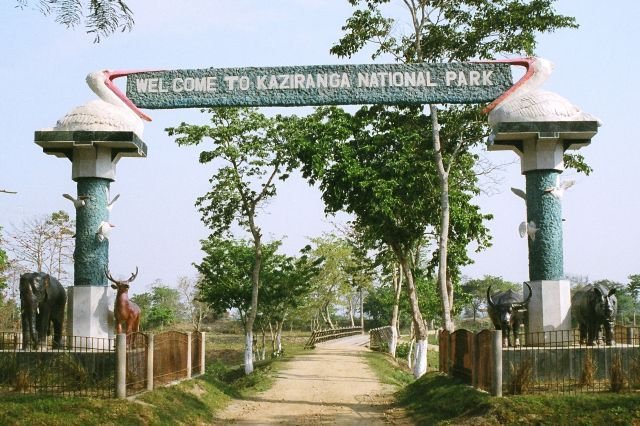
In a significant breakthrough for wildlife conservation, the Central Government has approved the movement of critically endangered vulture species to the Kaziranga Wildlife Division, marking a major milestone in Assam’s ongoing efforts to revive its rapidly declining vulture population. This decision is being hailed by conservationists as a turning point in India’s fight to protect one of its most threatened bird groups.
The move strengthens Assam’s position as a biodiversity hotspot and reinforces Kaziranga’s role as a global conservation model.
Why the Vulture Transfer to Kaziranga Matters
A Lifeline for Critically Endangered Species
The movement of critically endangered vultures to Kaziranga Wildlife Division is part of a larger national strategy to restore vulture populations devastated by habitat loss, poisoning, and the harmful veterinary drug diclofenac. Species such as the White‑rumped Vulture, Slender‑billed Vulture, and Indian Vulture have suffered catastrophic declines over the past two decades.
Kaziranga, with its rich grasslands, abundant food sources, and protected environment, offers an ideal habitat for vulture recovery. The new initiative will:
- Strengthen breeding programs
- Improve survival rates of released vultures
- Enhance monitoring and research
- Support long‑term species recovery
For readers interested in India’s wildlife conservation policies, the Ministry of Environment, Forest and Climate Change provides detailed updates.
Kaziranga Wildlife Division: A Safe Haven for Vulture Revival
A Proven Conservation Landscape
Kaziranga is globally renowned for its successful conservation of the one‑horned rhinoceros, elephants, and swamp deer. With this new approval, the park is set to become a key centre for vulture rehabilitation as well.
The Wildlife Division has already established:
- A dedicated Vulture Conservation Breeding Centre
- Trained forest personnel for monitoring
- Partnerships with national and international conservation bodies
- Safe zones free from harmful veterinary drugs
This makes Kaziranga one of the most promising locations for vulture population recovery in South Asia.
How the Vulture Movement Strengthens Assam’s Conservation Vision
A Boost to the State’s Biodiversity Strategy
Assam has been actively working to protect endangered species through habitat restoration, anti‑poaching measures, and scientific breeding programs. The Centre’s approval aligns with the state’s broader conservation goals, including:
- Expanding protected areas
- Strengthening wildlife corridors
- Enhancing community‑based conservation
- Promoting eco‑tourism
The vulture movement is expected to bring national attention to Assam’s conservation leadership and encourage further investment in wildlife protection.
Economic and Ecological Benefits of Vulture Conservation
Why Saving Vultures Helps Humans Too
Vultures play a crucial ecological role as nature’s clean‑up crew. Their decline has led to:
- Increased carcass decomposition time
- Rise in feral dog populations
- Higher risk of zoonotic diseases
By restoring vulture populations, Assam can improve ecosystem health and reduce public health risks. The initiative also has the potential to boost eco‑tourism, drawing wildlife enthusiasts and researchers to Kaziranga.
A Call to Support Assam’s Wildlife Future
The Centre’s approval to move critically endangered vultures to Kaziranga is more than a policy decision — it is a call to action. Citizens, local communities, and environmental groups all play a vital role in ensuring the success of this conservation effort.
Supporting awareness campaigns, reporting wildlife threats, and promoting responsible tourism can help Assam secure a safer future for its endangered species.
READ MORE: Post Malone Northeast India Concert Makes History in Guwahati