


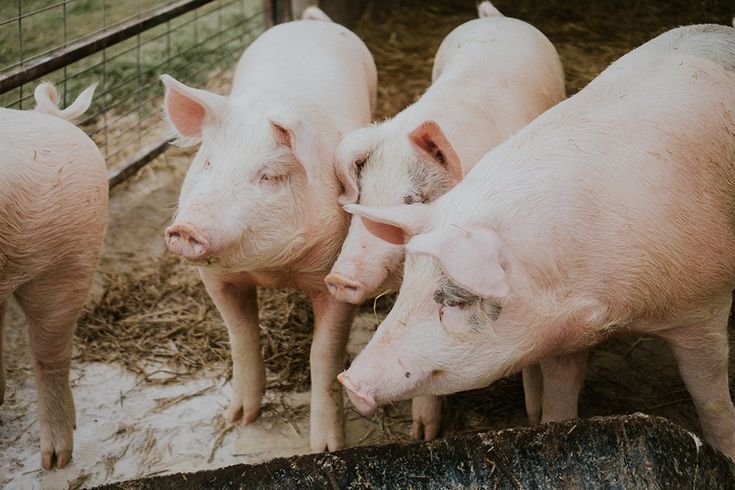
Dibrugarh ASF Epicentres Hit Pig Farming in Assam
Authorities in Assam’s Dibrugarh district have flagged three new Dibrugarh ASF epicentres, raising fresh concern for pig farmers who rely heavily on livestock for income. Since African Swine Fever (ASF) spreads quickly and has no widely available vaccine, the new cases have alarmed both the veterinary department and the local community. As a result, the district has moved fast and imposed new containment rules to stop further spread.
What the Dibrugarh ASF Epicentres Mean for Livestock Sector
The latest Dibrugarh ASF epicentres lie in the Moran and Tingkhong revenue circles, according to an order issued by the Additional District Magistrate.
The affected farms are located in Baghtoli Pathar (Khowang block) and two farms in Tingkhong block.
These newly declared epicentres trigger a series of strict controls: a 1-kilometre “Infected Zone” around each site, a 10-kilometre “Surveillance Zone,” bans on live-pig movement, pork trade restrictions and the possibility of euthanasia of infected animals. ASF is especially feared because there is no widely available vaccine, and mortality among pigs can approach 100% once infected.
For pig farmers in the region, this means immediate disruption: the risk of losing their animals, being cut off from markets, and facing uncertainty over compensation or support. Given that pig farming contributes significantly to rural livelihoods in Assam—including in Dibrugarh—this episode holds more than animal-health implications.
Containment Measures: Tightening the Net Against ASF Spread
The administration’s order imposes several containment mechanisms to limit the spread of ASF. These include:
- Prohibition on movement of live pigs, pig feed, pork and pork products out of infected zones.
- Closure of pig fairs and pig-related markets within the zones.
- Authorization of veterinary officers to cull infected animals and require deep-burial of carcasses in compliance with bio-security norms.
- Public awareness campaigns and inter-departmental coordination including animal husbandry, veterinary, municipal and police authorities for strict enforcement.
These steps mirror those taken earlier when Assam recorded widespread ASF spread: for example, earlier in October authorities in Dibrugarh had notified containment measures across 193 villages after identifying four epicentres.
Why Dibrugarh ASF Epicentres Matter for Farmers and the Local Economy
Threat to Small Farmers and Local Jobs
In a region where pig farming forms an important component of rural income and food security, the emergence of additional ASF epicentres in Dibrugarh is a serious blow. Many farmers operate on a small scale with limited bio-security infrastructure. ASF outbreaks risk wiping out entire herds overnight and cutting off access to regional markets.
As prior reports show, earlier ASF outbreaks in Assam killed thousands of pigs and forced large-scale culling.
Market Disruption and Value Chain Strain
The ban on pig movement and pork trade disrupts not only the farmers but also butchers, pork product vendors, feed suppliers, and allied services. With infected zones declared, the ripple effects may reach beyond immediate farm losses into the wider rural economy of Dibrugarh district.
No Vaccine and High Risk of Spread
One of the most worrying aspects of ASF is the absence of a commercially available vaccine. Once introduced, the virus can spread rapidly both within and between farms, and can persist in pork products, feed, and contaminated materials. The declaration of three new epicentres indicates that despite existing controls, the disease has continued to spread — raising questions about bio-security measures and oversight.
What Needs to Happen
This moment demands concerted action from multiple stakeholders:What Farmers and the Public Must Do Now
Follow Biosecurity Rules Strictly
Authorities urge farmers to:
- Keep pigs in enclosed spaces.
- Disinfect pens, equipment and clothing regularly.
- Stop feeding pigs with kitchen waste.
- Prevent entry of outsiders into farms.
Even small changes can break the infection chain and save herds.
Report Deaths Immediately
Farmers should report unusual pig deaths at once to the nearest veterinary officer. Early reporting helps authorities respond before the disease spreads wider.
Seek Support From Veterinary Officials
District veterinary teams are offering guidance and farm-level counselling. Farmers should use these services, especially if they live inside the infected or surveillance zones.
READ MORE: Dibrugarh Brahmaputra Erosion Sparks Opposition Criticism
If you are a pig farmer in Dibrugarh, contact your local veterinary office today and register your farm under the surveillance list. Doing so ensures faster response, quicker testing and access to government updates.
For community members, follow containment guidelines and support local farmers who stand to lose their main source of income.