


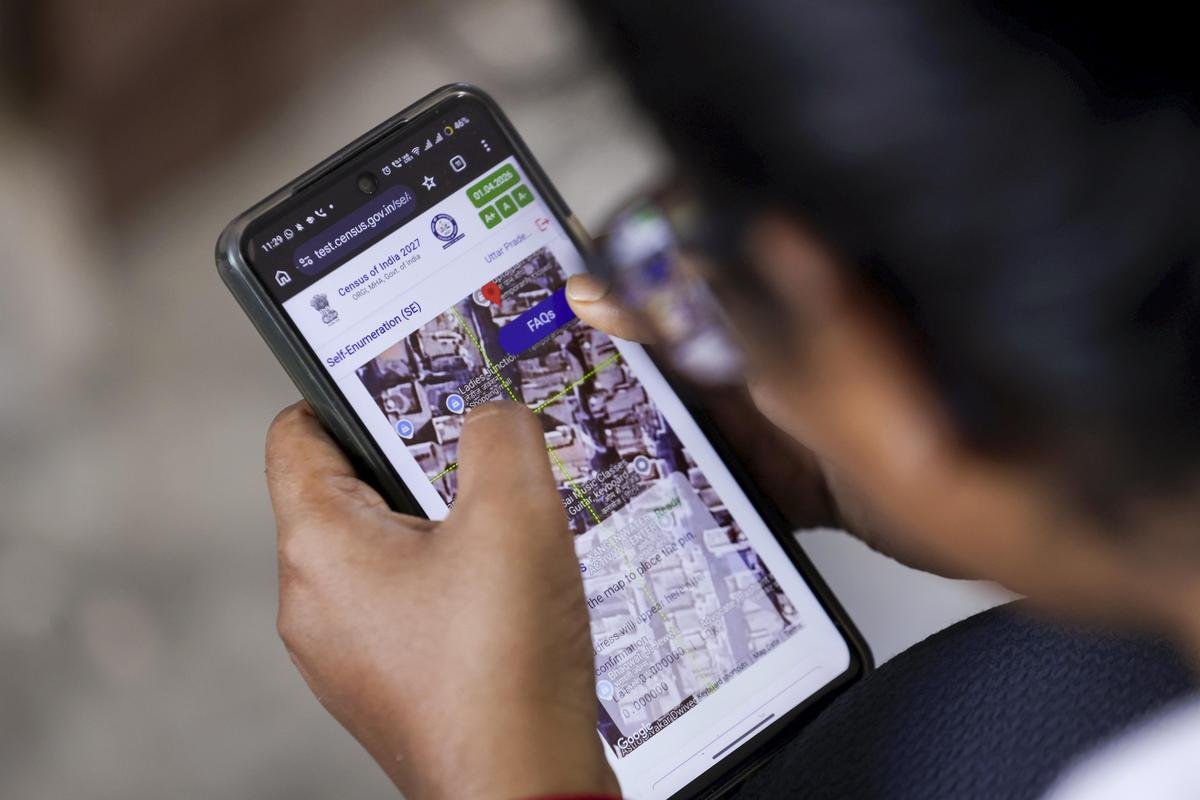
The Digital Census Phase has officially commenced after the state administration activated the Self-Enumeration Phase for Census 2026. The initiative marks an important step in the census process by allowing eligible residents to submit their household information through the digital self-enumeration system before field verification.
Gen Z Digital Strategy Drives CJP Movement’s Online Mobilisation Through Social Media
Digital Census Phase Activated for Census 2026 Self-Enumeration
The Digital Census Phase began after the state administration launched the Self-Enumeration Phase for Census 2026. According to the available information, residents can now participate in the census by entering their household details through the designated self-enumeration process.
The activation represents a significant milestone in the implementation of Census 2026. Moreover, digital self-enumeration provides an additional method for collecting demographic information while complementing traditional field enumeration.
Census exercises play a vital role in compiling official population and household statistics. Consequently, the Digital Census Phase supports efficient data collection while expanding public participation in the enumeration process.
Although the self-enumeration process has been activated, authorities have not announced the closing date for submissions.
Digital Census Phase Supports Modern Data Collection
The Phase reflects the growing use of digital technology in government data collection initiatives. Self-enumeration enables eligible residents to provide census information electronically through the official system.
Furthermore, digital participation can improve the efficiency of data collection by reducing manual paperwork and streamlining administrative processes. Electronic submissions also support faster compilation and verification of census records.
The Census remains one of the country’s most important statistical exercises. Therefore, introducing digital participation strengthens the modernization of census operations while maintaining established data collection procedures.
The latest initiative demonstrates the administration’s continued emphasis on adopting technology for public administration.
Digital Census Phase Enhances Public Participation
The Phase encourages broader public participation by offering residents an opportunity to complete census information independently. Digital self-enumeration provides flexibility while supporting the overall census process.
Moreover, the digital system complements field visits by census officials, ensuring that information can be collected through multiple approved methods. Coordinated data collection also improves administrative efficiency throughout the enumeration exercise.
Government agencies typically conduct awareness campaigns to encourage participation in national census activities. Consequently, the activation of the self-enumeration phase represents an important stage in Census 2026 implementation.
According to the available information, the Digital Census Phase is now operational across the state.
Digital Census Phase Reflects Continued Administrative Modernization
The Phase also highlights ongoing efforts to modernize public administration through technology-enabled governance. Digital services improve accessibility while supporting efficient delivery of government programmes.
Furthermore, electronic data collection systems help administrative authorities process information more effectively while maintaining organized official records. Modern digital platforms also contribute to improved coordination during large-scale government exercises.
Reliable demographic information remains essential for administrative planning and policy development. Therefore, the Digital Census Phase represents an important component of the broader Census 2026 process.
The activation of the self-enumeration system demonstrates the government’s commitment to adopting digital solutions for official data collection.
Conclusion
The Digital Census Phase has officially begun with the activation of the Self-Enumeration Phase for Census 2026 by the state administration. The initiative introduces a digital approach to household data collection while supporting the broader census exercise.
Furthermore, electronic self-enumeration enhances administrative efficiency, encourages public participation, and complements traditional field-based census operations. The adoption of digital systems also reflects continued modernization of government services.
Overall, the Phase marks an important advancement in the implementation of Census 2026. As the self-enumeration process continues, authorities are expected to provide further official updates regarding participation timelines and subsequent stages of the census.
FAQs
1. What is the Digital Census Phase?
The Phase is the stage of Census 2026 in which residents can submit their household information through the Self-Enumeration process.
2. What did the state administration activate?
According to the available information, the state administration activated the Self-Enumeration Phase for Census 2026.
3. What is the purpose of self-enumeration?
Self-enumeration allows eligible residents to provide census information digitally as part of the official data collection process.
4. Is the Digital Census Phase part of Census 2026?
Yes. The Digital Census Phase is an official component of the Census 2026 implementation process.
5. Have authorities announced the deadline for self-enumeration?
Based on the available information, officials have not announced the closing date for the Self-Enumeration Phase.