


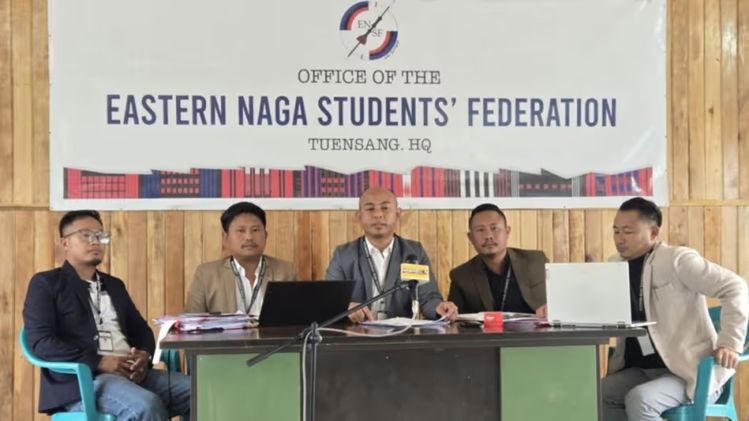
The Eastern Naga Students’ Federation (ENSF) has issued a directive for schools in the eastern districts of Nagaland to continue normal operations and ignore recent strike calls. The decision comes amid growing concerns over disruptions to academic activities and the welfare of students in the region. ENSF has emphasized the importance of uninterrupted education while addressing the ongoing issues that prompted calls for a strike.
Read More: 100 Flutists to Honour Zubeen Garg in Sonapur Tribute
ENSF directs schools to remain open
In a formal statement, the Eastern Naga Students’ Federation clarified that all educational institutions should function as usual. The federation urged teachers, students, and administrative staff not to comply with any unofficial strike notifications. ENSF stated that the decision reflects its commitment to prioritizing education while engaging with community matters responsibly.
The federation further noted that strikes often disrupt students’ learning and harm their academic progress. By issuing this directive, ENSF aims to ensure that schools remain safe spaces for learning and that students do not suffer due to actions beyond their control.
Background of the strike call
The strike call emerged following disputes between local administrative authorities and certain community groups regarding ongoing policy and governance issues. While the reasons behind the protest have varied, the potential impact on schools has raised concerns among educational and social leaders.
Local parents and community members expressed apprehension about the strike. Many emphasized that students should not bear the burden of unrest or miss crucial lessons due to political or administrative disagreements. ENSF’s directive reflects a response to these concerns, aiming to balance civic engagement with educational priorities.
Ensuring uninterrupted education
ENSF’s order stresses the importance of maintaining a structured academic calendar. Officials noted that prolonged disruptions could affect board exams, entrance tests, and overall student performance. Teachers have been advised to continue their lessons and activities as scheduled and to provide extra support to students if any previous disruptions had occurred.
In addition, ENSF has asked school management committees to remain vigilant and ensure that no external pressures force closures. Schools are encouraged to communicate clearly with students and parents, explaining the federation’s stance and the importance of attending classes regularly.
Community response and support
The federation’s directive has received widespread support from local parents and community leaders. Many parents welcomed the move, saying it ensures children’s education remains a top priority. Teachers have also expressed relief, noting that uninterrupted learning benefits both students and staff.
Local authorities, including the district education office, have coordinated with ENSF to monitor school attendance and verify that institutions continue operating normally. Officials stated that they will provide additional resources if necessary to ensure smooth functioning during this period.
Balancing civic engagement and education
ENSF emphasized that students’ academic development should not be compromised, even as they remain aware of social and political issues. The federation clarified that civic awareness and participation can continue outside school hours through debates, discussions, and community programs. However, classrooms must remain focused on learning to prevent long-term setbacks.
The directive also highlights ENSF’s approach to leadership, demonstrating that the organization values both activism and education. By separating political action from school routines, the federation aims to foster responsible citizenship while safeguarding students’ academic futures.
Measures to prevent disruption
To support the directive, ENSF has instructed local school committees to report any attempts to influence schools into striking. Teachers and staff are advised to document any irregular activities and notify federation officials immediately. This measure ensures accountability and transparency while protecting students’ rights to education.
ENSF has also encouraged students to stay focused and engage in extracurricular activities that promote learning and creativity. Awareness programs about social issues will continue in a controlled manner, allowing students to remain informed without compromising classroom instruction.
Importance of continued learning
Education officials reiterated that uninterrupted school functioning is critical for students’ overall development. Extended closures can negatively impact learning outcomes, skill development, and exam preparedness. By adhering to ENSF’s directive, schools aim to maintain stability and offer students a sense of normalcy amid broader societal issues.
Parents are being urged to reinforce the message at home, encouraging children to attend school regularly and complete assignments on time. Community leaders have also pledged to monitor local areas to ensure a safe environment for students and teachers alike.
Looking ahead
The Eastern Naga Students’ Federation strike order represents a proactive approach to protecting education while addressing civic concerns responsibly. ENSF has committed to dialogue with relevant authorities to resolve disputes without involving schools in protests.
Officials stated that future decisions regarding any form of strike will consider student welfare first. The federation also plans to organize awareness sessions to educate students on social issues, enabling them to participate meaningfully outside the academic environment.
By keeping schools open and ensuring uninterrupted learning, the Eastern Naga Students’ Federation demonstrates that education remains a priority, even during periods of unrest. The directive reflects a balance between civic responsibility and academic continuity, setting an example for other student organizations and community leaders in the region.
The move is expected to stabilize school operations, reduce uncertainty for families, and maintain a consistent learning environment for thousands of students across eastern Nagaland.
Read More: Assam issues eviction notices to 1,200 families in Doboka forest