


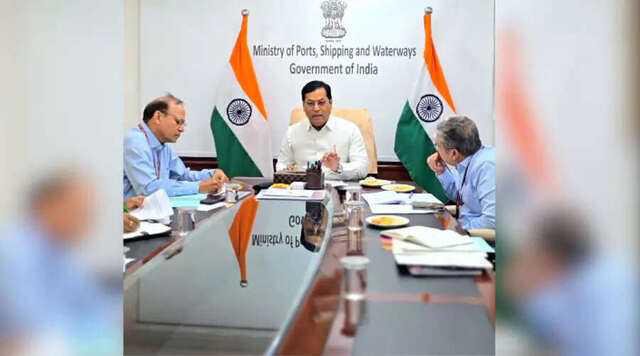
Guwahati has been selected for water metro services under a major national initiative aimed at improving urban transport and river connectivity. The project is expected to transform public transportation in the city significantly.
Officials said the initiative will use the Brahmaputra River as an important transportation corridor. As a result, authorities hope to reduce traffic congestion and improve commuting facilities for residents.
The proposed water metro system will strengthen connectivity between different parts of the city. Moreover, it will support eco-friendly transportation and sustainable urban mobility.
Read More: BJP Celebrates Assam Poll Victory With Karyakarta Bijay Utsav
Government representatives described the project as a major boost for infrastructure development in Assam and the Northeast region.
Water metro to improve urban transport
Officials said the water metro project will modernise transportation facilities in Guwahati. Furthermore, it will create alternative travel routes through river-based connectivity.
The city has witnessed increasing traffic congestion because of rapid urban growth and rising vehicle numbers. Therefore, authorities believe water transport can reduce pressure on roads.
Under the initiative, passengers may travel between important locations through modern ferry systems. In addition, the project will integrate water transport with existing public transportation networks.
Officials explained that the goal is to create safe and affordable transportation for commuters. They also stressed the environmental benefits of shifting some traffic from roads to waterways.
Experts noted that river-based transport systems work effectively in cities located near large water bodies. Consequently, Guwahati holds strong potential for such infrastructure development.
Brahmaputra River to play major role
The Brahmaputra River will become the backbone of the proposed water metro network. Officials believe the river’s geographical advantage can support efficient passenger transport across the city.
Authorities may develop modern terminals, jetties, ferry stations, and integrated transport hubs along selected river stretches. Additionally, proper navigation systems and safety mechanisms will form important parts of the project.
Government representatives said water transport can become a practical and sustainable solution for improving connectivity in Guwahati. Moreover, the project may strengthen transportation links between urban and suburban areas.
Experts also pointed out that Guwahati’s location along the Brahmaputra offers unique opportunities for inland water transport expansion.
Officials stressed the importance of maintaining environmental balance while implementing infrastructure projects along the river.
National initiative focuses on sustainability
The inclusion of Guwahati under the national water metro initiative reflects the central government’s focus on sustainable transportation systems.
Officials stated that the initiative encourages cities with rivers and waterways to explore alternative transportation methods. As a result, authorities expect reduced congestion and lower pollution levels.
The government has increasingly promoted inland water transport in recent years. Moreover, policymakers believe river-based transport can support long-term urban planning goals.
Experts said water metro systems offer several environmental advantages. For example, they can reduce fuel consumption and lower carbon emissions from vehicles.
Authorities also highlighted the possibility of generating employment opportunities through transportation and tourism-related activities linked to the project.
Tourism sector expected to benefit
Officials believe the proposed water metro services could strengthen tourism in Guwahati considerably. Tourists visiting the city may receive better and more scenic travel options along the Brahmaputra.
Authorities said river transport can support tourism activities and improve connectivity to important attractions. Furthermore, improved transportation infrastructure may encourage more visitors to explore the region.
Guwahati already serves as an important gateway to Northeast India. The city attracts visitors because of its cultural heritage, religious sites, and natural landscapes.
Experts noted that modern water transport systems may encourage further investment in tourism and hospitality sectors. Consequently, local businesses could also benefit from increased tourist movement.
Officials also discussed the possibility of integrating tourism-focused ferry services with regular commuter routes.
Assam government welcomes decision
The Assam government welcomed the decision to include Guwahati under the national initiative. Officials described the project as an important milestone for urban infrastructure development in the state.
Authorities said the initiative aligns with Assam’s broader focus on improving transportation networks and promoting sustainable growth. In recent years, the government has increased emphasis on river transport and ferry modernisation projects.
Political leaders also highlighted the importance of the Brahmaputra River for economic and transportation development in Assam.
According to officials, the water metro project can improve daily commuting and strengthen commercial activities. Additionally, better transport infrastructure may attract future investment opportunities in the city.
Observers believe the project reflects growing national attention towards infrastructure expansion in Northeast India.
Experts highlight environmental advantages
Urban planning experts praised the environmental advantages associated with water metro systems. They explained that river-based public transport can reduce traffic congestion and pollution significantly.
Waterways also require less land acquisition compared to major road expansion projects. Therefore, experts consider water metro systems more sustainable in densely populated urban areas.
Specialists stressed the need for proper environmental safeguards during implementation. Authorities reportedly plan to incorporate safety standards and eco-friendly infrastructure into the project.
Experts also emphasised the importance of maintaining the ecological health of the Brahmaputra River during construction and operational phases.
Observers believe sustainable transport systems will become increasingly important as Indian cities continue facing urbanisation challenges.
Project expected to strengthen economy
Officials believe the water metro project may strengthen economic activities in Guwahati and surrounding areas. Improved transportation often supports trade, tourism, and local businesses.
Better connectivity can also reduce travel time for commuters and improve access to commercial hubs. Consequently, economic productivity may increase in different sectors.
Authorities stated that the project may generate employment opportunities during construction and operational phases. Local businesses linked to transportation and tourism could also benefit.
Experts believe modern transport infrastructure can improve the overall quality of urban life. Furthermore, efficient commuting systems often strengthen long-term city planning and development.
The government hopes the project will help position Guwahati as a modern transportation hub in Northeast India.
Guwahati prepares for transport transformation
The selection of Guwahati for water metro services marks a major step in the city’s transportation development journey. Officials believe the initiative can improve mobility, reduce congestion, and strengthen sustainable infrastructure.
The Brahmaputra River is expected to become an important transportation corridor under the project. As a result, residents may receive safer and more efficient commuting options in the future.
Authorities also hope the initiative will encourage tourism growth and economic development in the city. Moreover, the project may inspire further infrastructure investments in Assam and the Northeast.
As planning and implementation move forward, the Guwahati water metro project is expected to become one of the region’s most important urban transportation initiatives in the coming years.
Read More: Tripura Strengthens Flood Control With 193 New Projects