


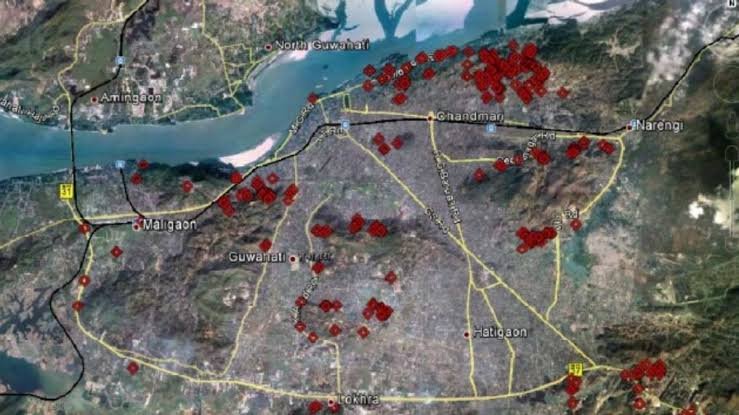
The Guwahati Landslide Guidelines initiative gained attention after the Kamrup Metropolitan administration issued strict safety guidelines for residents living on vulnerable hill slopes. According to the available information, the advisory aimed to reduce risks during heavy rainfall and improve preparedness in landslide-prone areas of Guwahati.
Manik Saha Defends Centre Over Academic Leaks, Accuses Opposition of Politicising the Issue
Guwahati Landslide Guidelines Focus on Hill Slope Safety Measures
The Guwahati Landslide Guidelines were introduced as authorities strengthened safety measures for residents living in areas vulnerable to landslides. According to the available information, the Kamrup Metropolitan administration advised people in risky locations to follow precautionary measures during periods of intense rainfall.
Guwahati’s hilly terrain and rapid urban expansion have increased concerns about slope stability during monsoon conditions. Moreover, heavy rainfall can weaken vulnerable areas and increase risks for residents and infrastructure.
The guidelines aim to improve public awareness and encourage timely action during emergencies. Therefore, authorities have urged residents to remain alert and follow safety instructions issued by disaster management teams.
Officials have not released details regarding penalties or enforcement measures linked to the guidelines.
Guwahati Landslide Guidelines Address Monsoon-Related Risks
The Guwahati Landslide Guidelines highlight the importance of preventive action during the monsoon season. According to the available information, the administration issued instructions for people living near vulnerable hill slopes.
Moreover, residents in landslide-prone areas often require advance warnings and safety information to minimise risks. Monitoring rainfall patterns, avoiding unsafe locations, and reporting signs of instability can help improve emergency response.
The administration’s move reflects efforts to protect communities before severe weather events occur. Consequently, awareness campaigns and safety guidelines remain important tools for reducing disaster impacts.
Further updates may provide additional information about specific areas covered under the advisory.
Guwahati Landslide Guidelines Strengthen Disaster Preparedness
The Guwahati Landslide Guidelines form part of broader disaster preparedness efforts in the Kamrup Metropolitan region. According to the available information, authorities issued the guidelines after reviewing risks faced by residents in vulnerable hill areas.
Additionally, effective disaster management requires coordination between local administrations, emergency teams, and communities. Public cooperation plays an important role in ensuring timely evacuation and reducing potential losses.
The guidelines encourage residents and officials to work together during challenging weather conditions. Therefore, preparedness measures can help communities respond more effectively to landslide threats.
Authorities continue to monitor weather conditions and vulnerable locations.
Why the Guwahati Landslide Guidelines Matter
The Guwahati Landslide Guidelines are significant because they focus on protecting residents living in areas where heavy rainfall may trigger slope-related hazards. Safety instructions help communities understand risks and prepare for possible emergencies.
Moreover, urban areas with expanding settlements require careful planning to manage environmental challenges. Clear guidelines can support safer living conditions and encourage responsible development practices.
The initiative also highlights the importance of early warning systems and public awareness during monsoon periods. Similarly, cooperation between residents and authorities can strengthen disaster response efforts.
Further measures may be introduced depending on weather conditions and risk assessments.
Conclusion
The Guwahati Landslide Guidelines mark an important safety initiative after the Kamrup Metropolitan administration issued precautionary instructions for residents living on vulnerable hill slopes. The guidelines aim to improve awareness and reduce risks during heavy rainfall periods.
Furthermore, effective disaster preparedness requires cooperation between authorities and local communities. Following safety instructions and remaining alert can help minimise the impact of landslide-related incidents.
Overall, the Guwahati Landslide Guidelines reflect efforts to strengthen monsoon preparedness and protect residents in vulnerable areas. As weather conditions continue to be monitored, authorities may introduce additional safety measures if required.
FAQs
1. What do Guwahati Landslide Guidelines refer to?
The Guidelines refer to safety instructions issued by the Kamrup Metropolitan administration for residents living in vulnerable hill slope areas.
2. Who issued the landslide safety guidelines?
According to the available information, the Kamrup Metropolitan administration issued the guidelines.
3. Why were the guidelines introduced?
The guidelines were introduced to reduce risks and improve safety during heavy rainfall and possible landslide situations.
4. Which areas are affected by the advisory?
The advisory focuses on residents living in vulnerable hill slope areas of Guwahati.
5. Why is landslide preparedness important in Guwahati?
Preparedness is important because heavy monsoon rainfall can increase risks in hilly and slope-sensitive area.