


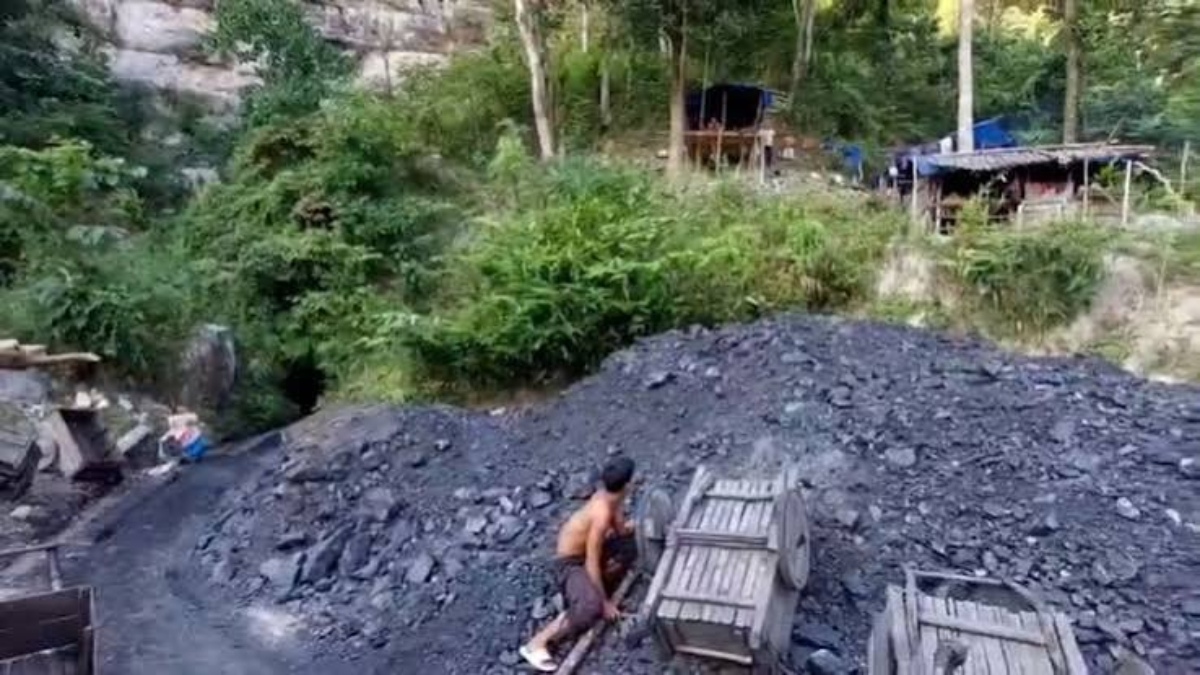
Illegal coal trade along the Assam-Meghalaya border has drawn renewed attention amid allegations of unauthorised transportation, suspected tax evasion and gaps in regulatory enforcement. Recent reports and official investigations have raised questions about coal movement, documentation and revenue protection across the two northeastern states.
Moreover, findings submitted to the Meghalaya High Court have highlighted serious concerns about illegal coal transportation and compliance with existing rules. Authorities now face growing pressure to strengthen monitoring, verify transport documents and ensure that coal businesses follow the law.
Illegal coal trade raises border concerns
The movement of coal between Meghalaya and Assam has remained a sensitive issue because of concerns over illegal mining, transportation and possible revenue losses. Local organisations have repeatedly raised allegations about coal-laden trucks travelling along routes connecting mining areas in Meghalaya with neighbouring Assam.
In February 2026, several pressure groups lodged a complaint alleging that trucks carrying illegally mined coal were moving through parts of East Garo Hills towards Assam. The complaint pointed to routes connecting the region with neighbouring areas and questioned whether the consignments had valid transportation permits.
However, allegations require independent verification. In a separate case involving coal transportation through South Garo Hills, Meghalaya Police told the oversight committee in February that the trucks were carrying legally auctioned coal for export to Bangladesh. The committee found no grounds to pursue that particular allegation further.
These contrasting cases underline the need to examine each consignment individually. Authorities must establish the origin of the coal, verify permits and check whether transporters have met all applicable legal requirements.
High Court panel flags enforcement gaps
The Meghalaya High Court-appointed committee headed by retired Justice B.P. Katakey has continued to examine illegal coal mining and transportation in the state. Its findings have highlighted concerns about compliance, monitoring and the handling of seized coal.
In September 2026, a report by the committee recorded 191 cases relating to illegal coal mining and transportation between 2023 and 2026. These included 127 cases involving illegal extraction and 64 involving illegal transportation. The report also highlighted limited confiscation proceedings involving seized equipment and vehicles.
Furthermore, the committee’s 41st interim report, reported on October 7, raised concern over a shortage of approximately 13.02 lakh metric tonnes of inventoried coal. The panel called for a detailed inquiry to establish responsibility for the missing stock.
Although the shortage does not itself establish tax evasion or illegal cross-border trade, it raises important questions about coal accounting, storage and enforcement. These findings have added to scrutiny of the systems intended to prevent illegal coal from entering commercial supply chains.
Tax compliance remains a major concern
Tax compliance is another important part of the investigation into coal transportation. Trucks carrying commercial consignments must comply with applicable tax rules and carry the required documents.
These may include tax invoices, e-way bills, delivery challans and relevant transportation permits. Officials must also verify the coal’s origin and ensure that applicable mining royalties and goods and services tax obligations have been met.
In October 2026, a separate enforcement drive in Assam’s Dibrugarh district highlighted the scale of documentation concerns in the wider coal trade. Central Goods and Services Tax authorities intercepted more than 150 coal-laden trucks, with 36 reportedly penalised for lacking valid GST documents, bills or tax invoices.
The operation resulted in the recovery of ₹40.42 lakh in duties, penalties and fines, according to published reports.
However, the Dibrugarh operation concerned coal transportation in Assam and should not be treated as proof of tax evasion along the Assam-Meghalaya border. It nevertheless demonstrates why document verification and coordinated enforcement matter across the region’s coal supply chains.
Illegal coal trade poses wider risks
The illegal coal trade can affect government revenue, environmental protection and public safety. When operators bypass legal requirements, authorities may struggle to trace the origin, ownership and final destination of consignments.
Additionally, unregulated mining can damage land and water resources while exposing workers to dangerous conditions. Heavy truck movement can also increase road damage and create safety risks for residents along transport routes.
For Meghalaya, these concerns are particularly significant because restrictions and court-supervised measures aim to prevent illegal mining and regulate the movement of coal. Assam, meanwhile, serves as an important transit area for goods moving between northeastern states and markets beyond the region.
Therefore, enforcement agencies need reliable records and consistent checks rather than relying solely on complaints or visual inspections. Authorities must distinguish legally sourced coal from consignments that lack proper authorisation.
Stronger monitoring needed across the border
Addressing illegal coal trade requires cooperation between the Assam and Meghalaya governments, police, mining departments and tax authorities. Regular inspections, digital record verification and coordinated checks at key transport points could help identify suspicious consignments.
Moreover, officials should investigate allegations promptly and publish verified findings where appropriate. Transparent records of seized coal, penalties, transport permits and completed legal proceedings would also strengthen public confidence.
Finally, enforcement must remain evidence-based. Authorities should establish violations through documentary checks and investigations before assigning responsibility to individuals or businesses.
The latest developments have placed coal transportation and regulatory oversight under renewed scrutiny. Whether that scrutiny leads to stronger compliance will depend on consistent enforcement, accurate record-keeping and accountability across the supply chain.
Tripura CM Manik Saha Criticises Congress Chief Mallikarjun Kharge Over PM Modi’s Father Remarks