


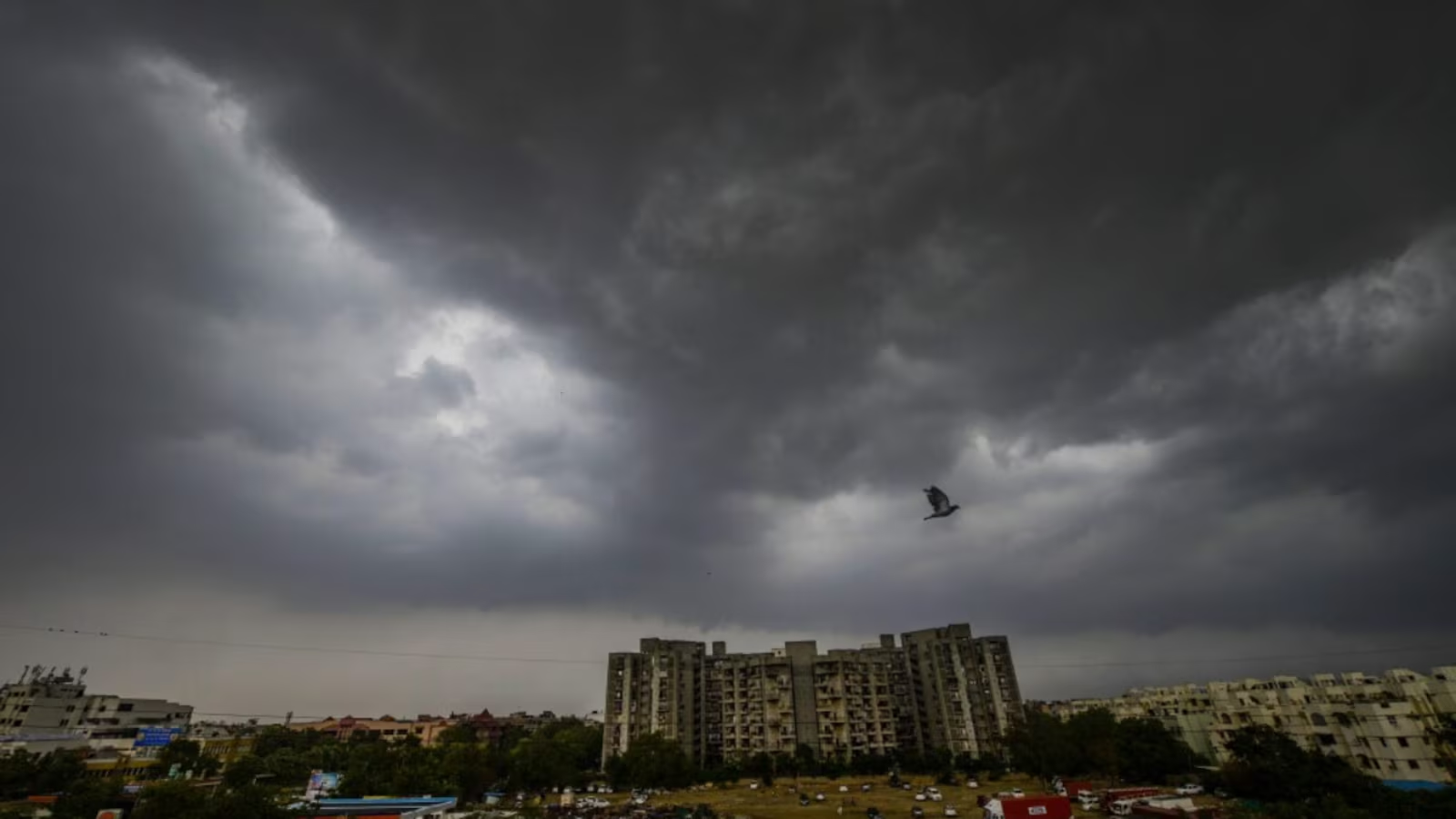
The IMD extreme rainfall warning has placed several Indian states on high alert as the southwest monsoon continues to strengthen across the country. The India Meteorological Department (IMD) has forecast heavy to extremely heavy rainfall, with isolated locations expected to receive up to 20 centimetres of rain within 24 hours. Authorities have urged residents to remain cautious as intense precipitation may trigger flooding, waterlogging, landslides, and transport disruptions. State disaster management agencies and local administrations have also begun preparedness measures to reduce risks in vulnerable districts.
IMD Forecast Signals Widespread Heavy Rainfall
The IMD extreme rainfall warning covers parts of northeast, eastern, central, western, and southern India as monsoon activity intensifies. According to the latest weather bulletin, isolated areas are likely to witness rainfall between 7 and 20 centimetres, while a few locations may experience even higher accumulations under persistent cloud systems.
States including Arunachal Pradesh, Assam, Meghalaya, Nagaland, Manipur, Mizoram, Tripura, Sub-Himalayan West Bengal, Sikkim, Odisha, Bihar, Madhya Pradesh, Chhattisgarh, Vidarbha, Konkan and Goa, Kerala, Coastal Karnataka, Telangana, and parts of Tamil Nadu remain under enhanced monitoring. Several districts could receive very heavy showers accompanied by thunderstorms, lightning, and gusty winds over the coming days.
Meteorologists attribute the active weather pattern to the continued advancement of the southwest monsoon and favourable atmospheric conditions supporting widespread moisture inflow. As a result, rainfall intensity is expected to remain elevated across many regions during the current forecast period.
States Intensify Preparedness Measures
Authorities have activated emergency response mechanisms following the IMD extreme rainfall warning. State governments have instructed district administrations to closely monitor vulnerable locations, particularly flood-prone urban centres, river basins, and landslide-sensitive hill districts.
Disaster response teams remain on standby in several regions to assist with evacuation, rescue operations, and emergency relief if conditions deteriorate. Local civic bodies have also accelerated the clearing of drainage systems and inspection of critical infrastructure to minimise waterlogging during intense rainfall spells.
Transportation departments continue to monitor highways, bridges, and railway corridors that could experience temporary disruptions because of flooding or reduced visibility. Power utilities and communication agencies are also coordinating contingency plans to restore essential services quickly if weather-related damage occurs.
Weather officials have advised fishermen to avoid venturing into rough sea conditions along affected coastal stretches whenever warnings remain active. Residents living near rivers, steep slopes, or low-lying areas have also been encouraged to remain alert to official advisories.
Public Impact and Safety Advisory
The IMD extreme rainfall warning highlights several risks that commonly accompany periods of exceptionally heavy monsoon rainfall. Urban areas may witness severe waterlogging, traffic congestion, and temporary closure of roads, while hilly regions face an increased possibility of landslides and rockfalls.
Educational institutions and local administrations may review schedules depending on evolving weather conditions in individual districts. Flight operations, train services, and intercity bus movement could also experience delays if visibility declines or infrastructure becomes affected by persistent rain.
Health officials advise citizens to avoid unnecessary travel during periods of intense rainfall and to remain indoors whenever thunderstorms occur. People are encouraged to monitor official weather bulletins regularly and follow instructions issued by local authorities.
Agricultural communities may benefit from improved soil moisture in several regions. However, prolonged heavy rainfall can also damage standing crops, delay harvesting activities, and increase the likelihood of crop diseases if fields remain waterlogged for extended periods.
Experts note that strong coordination between meteorological agencies, disaster management authorities, and local administrations remains essential to reducing the impact of extreme weather events during the peak monsoon season.
Monsoon Progress and Weather Outlook
The IMD extreme rainfall warning comes as the southwest monsoon continues advancing into additional parts of the country. Meteorological conditions remain favourable for widespread rainfall across many states during the coming days, with several regions expected to receive moderate to very heavy precipitation.
Forecast models indicate continued thunderstorm activity, lightning, and strong surface winds across parts of eastern, central, western, southern, and northeastern India. Weather experts expect rainfall distribution to remain uneven, with isolated districts recording significantly higher totals than neighbouring areas.
Officials will continue issuing updated forecasts as atmospheric conditions evolve. District administrations are expected to modify preparedness plans whenever fresh alerts become available. Citizens are advised to rely only on official weather updates and avoid spreading unverified information through social media during severe weather situations.
The ongoing monsoon remains vital for agriculture, water resources, and reservoirs across India. Nevertheless, periods of exceptionally heavy rainfall require continued vigilance to minimise damage to lives, livelihoods, and public infrastructure while ensuring timely emergency response wherever necessary.
Conclusion
The IMD extreme rainfall warning reflects the increasing intensity of the southwest monsoon across multiple regions of India. With forecasts indicating rainfall reaching up to 20 centimetres in isolated locations, authorities continue strengthening preparedness and emergency response measures. Residents should stay informed through official weather advisories, exercise caution while travelling, and cooperate with local administrations whenever alerts are issued. Continued monitoring and timely action remain essential to reducing the impact of heavy rainfall during the active monsoon period.
FAQs
1. Why has the IMD issued heavy rainfall alerts?
The weather department expects active monsoon conditions to produce widespread heavy to extremely heavy rainfall across several states.
2. Which regions are likely to receive the heaviest rain?
Northeast India, eastern states, parts of central India, the western coast, and southern peninsular regions are among the most affected.
3. What does the IMD extreme rainfall warning indicate?
It indicates the possibility of exceptionally intense rainfall in specific locations and advises people to follow official safety instructions.
4. What hazards can accompany intense monsoon rainfall?
Flooding, waterlogging, landslides, transport disruption, lightning, and reduced visibility are common risks.
5. How should residents prepare during severe weather?
People should monitor official forecasts, avoid unnecessary travel, secure essential supplies, and follow local administration advisories.
6. Can heavy rainfall affect transportation?
Yes. Roads, railways, and flight operations may experience delays or temporary disruptions because of flooding or poor weather condition.