


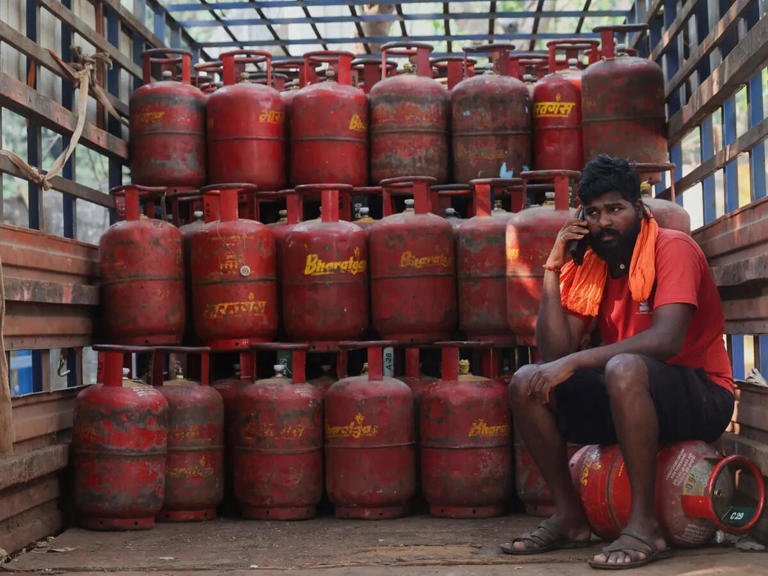
India is exploring a strategic shift in its energy approach as the ongoing LPG import crisis prompts policymakers to accelerate the expansion of piped natural gas (PNG) infrastructure. The LPG import crisis India is facing has exposed vulnerabilities in supply chains, leading to renewed focus on more stable and domestically managed energy alternatives.
Read More: Meghalaya Approves Provident Fund Scheme for Private Education Staff
LPG Import Crisis Triggers Policy Shift
India relies heavily on imports to meet its liquefied petroleum gas (LPG) demand. Disruptions in global supply chains, rising prices, and geopolitical tensions have made LPG imports increasingly uncertain.
The LPG import crisis India is currently navigating has highlighted the risks associated with dependence on external sources. Fluctuations in international markets can directly impact domestic prices and availability.
As a result, policymakers are looking for long-term solutions that reduce vulnerability and ensure consistent energy access for households.
Push for Piped Natural Gas (PNG)
One of the key solutions being considered is the expansion of piped natural gas networks. PNG offers a reliable and continuous supply of fuel directly to households through pipelines.
Unlike LPG cylinders, which require regular refilling and distribution logistics, PNG provides uninterrupted access. This makes it a convenient option for urban households.
The LPG import crisis India faces has accelerated plans to extend PNG coverage to more cities and towns across the country.
Advantages of PNG Over LPG
PNG has several advantages that make it an attractive alternative. First, it eliminates the need for storage and transportation of cylinders, reducing logistical challenges.
Second, PNG is often more cost-effective in the long run. While initial infrastructure investment is high, operational costs can be lower compared to LPG distribution.
Third, PNG is considered a cleaner fuel, producing fewer emissions. This aligns with India’s broader goals of reducing pollution and promoting sustainable energy.
These benefits are driving the government’s interest in expanding PNG as part of its energy strategy.
Infrastructure Expansion Plans
To support the transition, the government is focusing on expanding city gas distribution (CGD) networks. These networks are essential for delivering PNG to residential, commercial, and industrial users.
Several projects are already underway to lay pipelines in urban and semi-urban areas. Authorities are also exploring ways to fast-track approvals and attract private investment.
The LPG import crisis India is experiencing has added urgency to these efforts, pushing for quicker implementation.
Challenges in Scaling PNG
Despite its advantages, expanding PNG infrastructure presents challenges. Building pipelines requires significant investment and time. It also involves coordination with multiple agencies and adherence to safety regulations.
Additionally, rural and remote areas may be difficult to connect due to geographical constraints. Ensuring equitable access remains a key concern.
The transition from LPG to PNG will therefore need careful planning and phased implementation.
Impact on Consumers
For consumers, the shift to PNG could bring both benefits and adjustments. Urban households with access to pipelines are likely to benefit from convenience and potentially lower costs.
However, those in areas without PNG infrastructure will continue to rely on LPG for the foreseeable future. Policymakers must ensure that these consumers are not adversely affected during the transition.
The LPG import crisis India faces has also led to discussions on maintaining a balance between the two systems.
Energy Security and Self-Reliance
The push for PNG is closely linked to India’s broader goal of energy security. Reducing dependence on imports is a key priority for the government.
By investing in domestic infrastructure and diversifying energy sources, India aims to build a more resilient energy system. PNG, along with other alternatives, plays a crucial role in this strategy.
The LPG import crisis India is dealing with has reinforced the importance of self-reliance in the energy sector.
Environmental Considerations
Environmental concerns are another factor driving the shift. PNG is a cleaner-burning fuel compared to LPG, contributing to lower carbon emissions.
Expanding PNG usage can help improve air quality, particularly in urban areas. This aligns with national and global efforts to combat climate change.
The LPG import crisis India is experiencing has thus also opened opportunities for promoting greener energy solutions.
Policy and Future Outlook
The government is expected to introduce policies and incentives to support the expansion of PNG networks. These may include subsidies, regulatory reforms, and partnerships with private players.
Long-term planning will be essential to ensure that the transition is smooth and sustainable. Authorities will need to address infrastructure gaps and ensure affordability for consumers.
The LPG import crisis India is currently facing could serve as a turning point in the country’s energy strategy.
Conclusion
The LPG import crisis has prompted India to rethink its approach to household energy supply. By accelerating the expansion of piped natural gas, the government aims to reduce dependency on imports and enhance energy security.
While challenges remain, the shift towards PNG offers significant benefits in terms of reliability, cost, and environmental impact. The LPG import crisis India is navigating today may ultimately lead to a more resilient and sustainable energy future.
As the country moves forward, balancing immediate needs with long-term goals will be key to successfully transforming its energy landscape.
Read More: Meghalaya BJP MLA AL Hek Raises Concerns Over FCRA Amendment Bill