


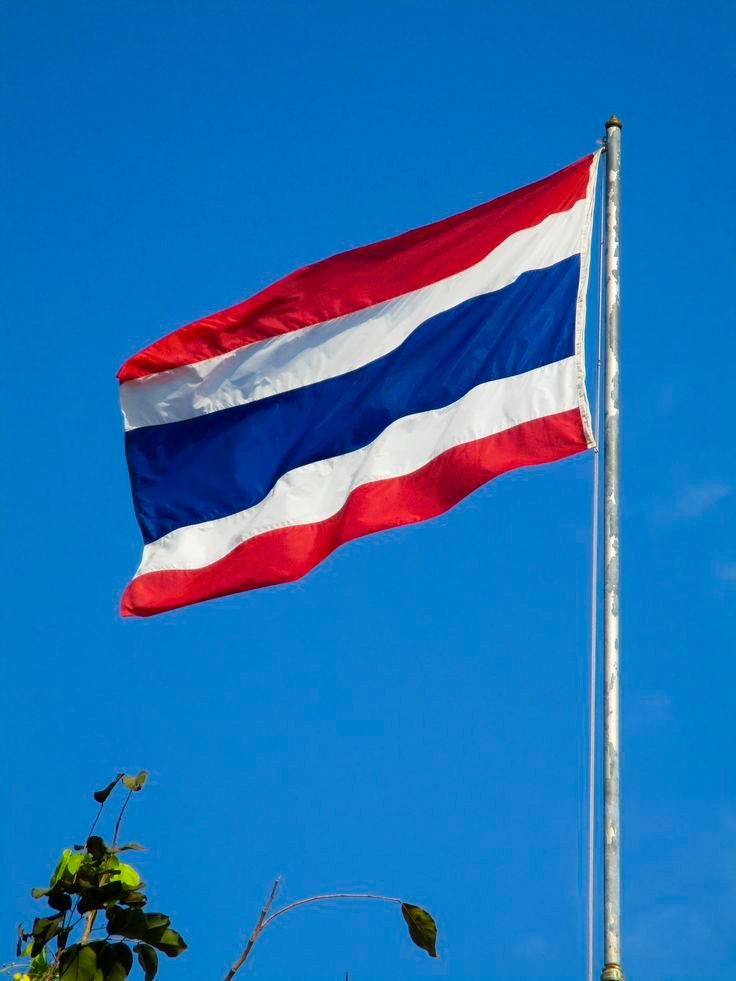
The India-Thailand military exercise 2025 wrapped up this week in the dense forests of Meghalaya. This annual joint drill, conducted under the “Ex-Maitree” initiative, focused on jungle warfare and counter-insurgency operations. It brought together elite troops from both countries, highlighting their commitment to regional security.
Strengthening Regional Security Through Collaboration
Joint Defense Readiness in Focus
The joint exercise was held at a dedicated training site in Meghalaya’s East Khasi Hills, known for its challenging topography and dense jungle conditions—an ideal setting for simulating real-world operations in insurgency-prone areas. The Indian Army’s Red Horns Division (Gajraj Corps) played host to the Royal Thai Army contingent, consisting of highly trained light infantry personnel.
The week-long exercise included:
- Close-quarter battle training
- Survival drills in jungle terrain
- Combat tracking and ambush strategies
- Tactical room clearance and hostage rescue
- Information sharing on regional insurgency patterns
“The exercise fostered mutual learning and will significantly enhance interoperability between our armed forces,” said a senior Indian Army officer involved in the program.
Strategic Importance of Indo-Thai Military Ties
A Growing Indo-Pacific Defense Network
The joint exercise is part of an annual series under the “Ex-Maitree” framework, a bilateral initiative aimed at improving tactical operations, coordination, and joint mission readiness. These drills come amid growing strategic alignment between India and Southeast Asian nations, particularly in the context of maritime security and counter-terrorism.
Thailand, which shares maritime boundaries and regional interests with India, has also been a vocal participant in multilateral forums like ADMM-Plus, further reinforcing the Indo-Pacific security architecture.
This latest military drill also complements India’s Act East Policy, which prioritizes defense diplomacy and infrastructure development in the Northeast.
Why Meghalaya Was Chosen
Jungle Terrain, Realistic Combat Scenarios
The Indian Army continues to view Northeast India as a strategic training hub due to its proximity to international borders and natural terrain that mimics Southeast Asia’s jungle and hill warfare conditions.
Meghalaya, in particular, offers realistic settings for counter-insurgency simulations, given its history of local insurgency and natural battlefield-like environment.
An Indian defense analyst commented, “These exercises are not just symbolic; they are operationally vital. Meghalaya provides the perfect testbed for tropical warfare training.”
Humanitarian and Tactical Objectives Combined
Alongside war games and tactical maneuvers, the exercise also focused on:
- First-aid in combat
- Evacuation logistics in dense jungle
- Joint disaster relief operations
- Rules of engagement under international humanitarian law
This aspect reflects modern military doctrines that require a dual role—combat efficiency and humanitarian responsiveness—especially in today’s hybrid warfare environments.
Deeper Defense Cooperation
With both countries expressing satisfaction over the outcomes, officials hinted at larger-scale future drills, potentially involving airborne and naval units, and possibly including other ASEAN partners.
The successful conclusion of this exercise sets the stage for:
- Technology sharing in jungle warfare equipment
- Exchange of intelligence on extremist networks
- Future trilateral drills including ASEAN and Quad members
India’s Ministry of Defence noted that such joint training strengthens the region’s multilateral defense architecture while enhancing the operational capability of participating units.
READ MORE: Combined Commanders Conference 2025: PM Modi to Inaugurate 3-Day Event in Kolkata
This exercise not only showcased India and Thailand’s tactical capabilities but also sent a clear message: regional collaboration is critical for peace and security in the Indo-Pacific.