


By Staff Correspondent
Mumbai, November 2025: The Indian startup dream is growing up. After a decade dominated by record-breaking valuations and breakneck fundraising, the country’s entrepreneurs and investors are quietly rewriting the rules of the game. The new mantra is no longer “grow fast at any cost” — it’s “grow right, grow responsibly.”
Data from the EY Private Equity and Venture Capital Report (July 2025) paints a revealing picture. India attracted US $26.4 billion across 593 PE/VC deals in the first six months of the year — a moderation from previous highs but still among the strongest globally. Analysts say this isn’t a downturn; it’s a moment of course correction.
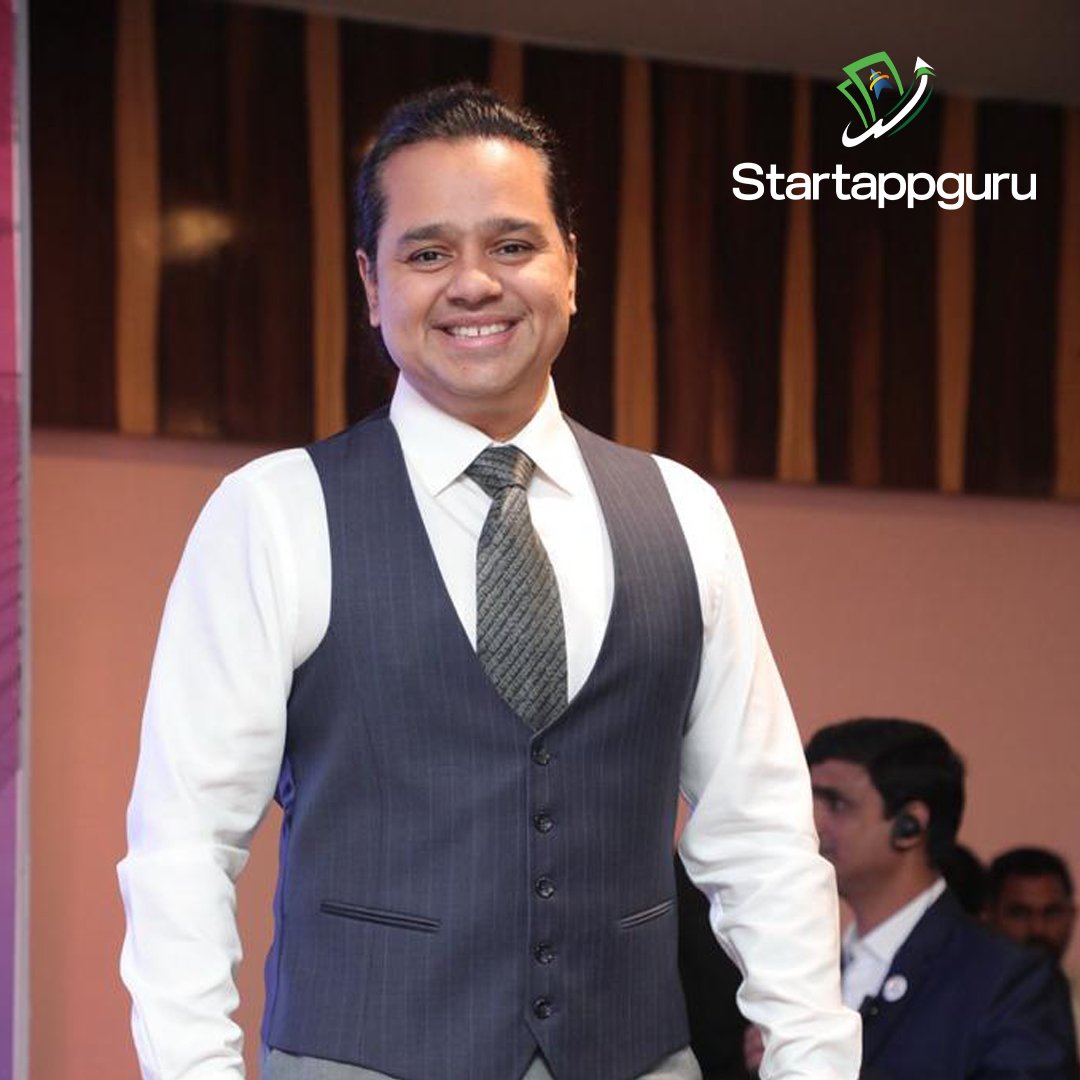
“The market is maturing,” says Dr. Ashutosh Khatawkar, an economist, entrepreneur, and founder of StartApp Guru. “Investors are looking for sustainable ideas, not inflated ones. For startups, this is a reality check and an opportunity to build stronger foundations.”
In the last few years, India’s startup ecosystem has often been described as a rocket. What’s happening now feels more like a landing — safe, steady, and sustainable. Investors are focusing on business models that make sense, not just on growth charts that impress.
Early-stage funding remains robust, with more than US $6.8 billion flowing into promising ventures. But tech-focused investments have slowed by around 25%, reflecting a more discerning attitude toward capital deployment.
“The time of chasing the next unicorn is gone,” Dr. Khatawkar explains. “Now it’s about building lasting businesses — ventures that can survive well beyond the first funding round.
While startups often dominate the headlines, the MSME sector continues to be the real workhorse of India’s economy. Contributing nearly 30% to the GDP and employing over 110 million people, small and medium enterprises are the invisible gears powering India’s growth engine.
Yet, many of these businesses face challenges in accessing capital. Despite government initiatives, a large number of MSMEs — especially in smaller towns — remain disconnected from formal funding channels. That’s where platforms like StartApp Guru are beginning to make a tangible difference.
Founded by Dr. Khatawkar, StartApp Guru aims to act as a bridge between entrepreneurs and investors. It allows startups and MSMEs to share their business plans, connect directly with verified investors, and receive mentorship to become investment-ready. The platform’s network now includes over 200 investors, and its focus lies in creating financial literacy and practical guidance alongside funding access.
“Most small entrepreneurs know how to run a business but not how to present it to an investor,” Dr. Khatawkar says, “We help them speak that language confidently — the language of clarity and numbers.”
Dr. Khatawkar’s own journey mirrors the evolution of India’s entrepreneurial spirit. A Ph.D. in Economics, he spent over two decades in the real estate industry — working with renowned names like Lodha, JLL, RNA, and Bombay Realty (Wadia Group) — before moving into entrepreneurship. His ventures, Augustus Realty and StartApp Guru, reflect a blend of academic insight and market experience.
Recognized among Forbes and LuxeBook’s “100 Most Powerful in Luxury Real Estate”, Dr. Khatawkar has also been known for his research in behavioral economics and neuro-marketing, applying human psychology to investment and business strategy.
“Economics is more than numbers — it’s about understanding behaviour,” he says. “Startups succeed when founders understand people, not just spreadsheets.
Industry observers describe 2025 as a reset year for Indian entrepreneurship — a year when both startups and MSMEs began trading speed for stability. Investors are spending more time mentoring than merely funding. Founders are revisiting their models, pruning costs, and focusing on product-market fit.
The funding dip, they say, isn’t a setback — it’s a maturity milestone.
“There’s greater accountability now,” notes a Delhi-based venture capitalist. “Everyone — from investors to founders — wants to ensure that growth is sustainable, not speculative. And that’s a good thing for the ecosystem.”
For entrepreneurs like Dr. Khatawkar, this transition marks a defining moment. Platforms such as StartApp Guru represent a larger movement in the Indian economy — where innovation, structure, and mentorship coexist.
“The coming decade will belong to founders who are both dreamers and doers,” he says. “Entrepreneurship is about how long you last, not about how loud you are.”
As 2025 draws to a close, India’s entrepreneurial landscape looks less chaotic but more credible. The rush of easy capital has given way to a rhythm of measured ambition. Investors are staying in for the long haul. Founders are learning to build without burning out. And in the quiet discipline of this transformation lies the strength of a new India — one that’s not just chasing growth, but mastering it.