


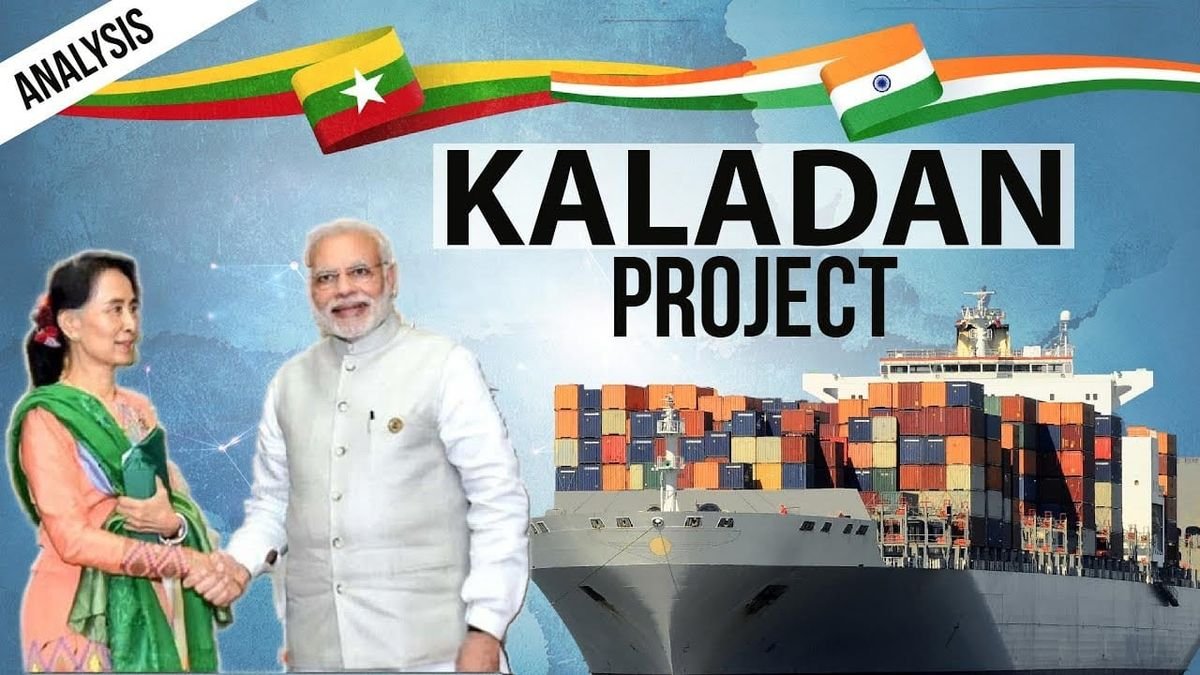
The Kaladan transit corridor emerged as a major focus during high-level India–Myanmar discussions as diplomatic delegates prioritized resolving challenges affecting the project’s implementation. Officials reviewed issues impacting construction and logistics, including disruptions linked to local armed groups in parts of Myanmar. Both sides reaffirmed their commitment to improving coordination so the strategically important connectivity project can progress while supporting regional trade, economic development, and India’s Act East Policy.
Tripura CM Calls for ‘War Against Drugs’, Urges Public to Help Eliminate Narcotics Network
India and Myanmar Review Project Challenges
The Kaladan transit corridor received renewed attention as officials examined obstacles delaying work on the multi-modal connectivity project. Consequently, delegates discussed measures to improve implementation and enhance coordination among the agencies involved. They also reviewed the security situation in project areas to ensure infrastructure activities can continue with minimal disruption.
Meanwhile, both governments emphasized the importance of maintaining a stable environment for construction and logistics operations. Furthermore, officials agreed to strengthen communication and cooperation to address local challenges affecting project timelines.
The discussions reflected a shared commitment to advancing the corridor.
Corridor Remains Strategically Important
The Kaladan transit corridor is designed to improve connectivity between India’s eastern seaboard, Myanmar, and the Northeast through a combination of sea, inland waterway, and road transport. Authorities believe the project will strengthen regional trade, reduce transport time, and improve access to markets for northeastern states. At the same time, it supports broader connectivity goals under India’s Act East Policy.
Furthermore, officials noted that timely completion of the project would enhance economic integration and expand commercial opportunities across the region. They also highlighted its importance for long-term infrastructure development.
The corridor remains a key strategic initiative.
Security and Coordination Stay in Focus
The Kaladan transit corridor discussions highlighted the importance of close cooperation in addressing security and implementation challenges. Authorities reviewed mechanisms to improve project monitoring, facilitate construction, and strengthen coordination between relevant agencies. In addition, both sides emphasized the need for continued dialogue to overcome operational difficulties.
Meanwhile, officials reiterated their commitment to promoting safe and efficient infrastructure development while supporting regional stability. They also agreed to maintain regular consultations as work on the project progresses.
The partnership continues to support long-term connectivity goals.
Implementation Efforts Continue
The Kaladan transit corridor demonstrates the importance of sustained cooperation between India and Myanmar in advancing cross-border infrastructure projects. Therefore, both governments remain focused on resolving implementation challenges, improving coordination, and accelerating project execution.
Moreover, continued collaboration is expected to strengthen regional connectivity, support economic growth, and enhance trade links between the Northeast and Southeast Asia. Successful completion of the corridor will remain a key objective for both countries.
Conclusion
The Kaladan transit corridor remains a strategic priority as India and Myanmar work together to address implementation challenges and improve project progress. By prioritizing coordination and reviewing security-related concerns, both countries aim to accelerate construction while strengthening regional connectivity. Meanwhile, the project continues to play a central role in promoting trade, infrastructure development, and economic integration under India’s Act East Policy.
FAQs
1. What is the Kaladan transit corridor?
The Kaladan transit corridor is a multi-modal connectivity project linking India and Myanmar through sea, inland waterways, and road transport.
2. What was discussed during the latest talks?
Officials reviewed implementation challenges, coordination mechanisms, and measures to improve project progress.
3. Why is the corridor important?
It is expected to improve trade, connectivity, and economic integration between India’s Northeast and Southeast Asia.
4. What challenges are affecting the project?
Officials discussed security-related and implementation issues that have delayed construction in some project areas.
5. How does the project support India’s Act East Policy?
It strengthens cross-border connectivity and promotes closer economic cooperation with Southeast Asia.
6. What are the next steps?
India and Myanmar will continue coordinating to address challenges and accelerate the project’s implementation.